x


 Bestel schilderij Koop afbeelding in hoge resolutie
 Verstuur
 Details bekijken
 Toevoegen aan favorieten
 Download
 Vergelijkbare werken
 Röntgenonderzoek
 Diavoorstelling
Giclée- of canvasafdruk van museumkwaliteit met snelle productie en flexibele afwerkingsopties.





























Kies uit onze vooraf ingestelde maten die overeenkomen met de originele verhoudingen van het kunstwerk.

U kunt uw eigen afmetingen opgeven om in een specifieke lijst of ruimte te passen. Als de door u gekozen maat niet overeenkomt met de proporties van het originele kunstwerk, zullen wij de afbeelding bijsnijden of uitbreiden met een gespiegelde of effen rand. Een digitaal mockup wordt ter goedkeuring naar u verzonden voordat de productie begint.
Houd er rekening mee dat de preview op het scherm de werkelijke bijsneding of uitbreiding niet weergeeft. Alleen de mockup toont de uiteindelijke compositie nauwkeurig.
Hoewel aangepaste maten beschikbaar zijn, raden wij aan een afmeting uit de vooraf bepaalde lijst te kiezen om de originele proporties te behouden.
Wereldwijde levering () binnen 2 weken in plaats van de standaard 4/5 weken. (21 juli)


Backgammon
Afmetingen reproductie
Winslow Homer's "Backgammon," painted in 1877, isn’t merely a depiction of two women playing a board game; it’s a poignant study of friendship, intimacy, and the subtle language of domestic life. This remarkable work, now housed within the Fine Arts Museums of San Francisco, offers a rare glimpse into the private world of 19th-century America – a world often rendered through grand historical narratives but frequently overlooked in its quieter, more intimate moments. Homer, deeply rooted in his observations of New England’s rural and urban landscapes, masterfully translates this sensibility to the domestic scene, imbuing it with a remarkable sense of realism and emotional resonance.
The painting immediately draws the eye with its carefully orchestrated composition. The women, positioned close together on a substantial couch – a symbol of shared comfort and connection – are bathed in soft, diffused light, characteristic of Homer’s watercolor technique. Their postures suggest a relaxed engagement, not one of intense competition, but rather a comfortable companionship built upon years of familiarity. The arrangement of the backgammon pieces scattered around them isn't haphazard; it feels deliberately placed, almost like a still life within the larger scene, adding to the painting’s quiet formality. The inclusion of two chairs – one slightly angled towards the left and another positioned near the center-right – subtly reinforces the sense of shared space and conversation.
Homer was a pioneer in American watercolor, elevating it from a primarily illustrative medium to one capable of capturing profound emotional depth and nuanced detail. In “Backgammon,” his mastery is evident in the delicate layering of washes, creating an atmospheric quality that feels both luminous and slightly melancholic. He employs a loose, expressive brushstroke, allowing the colors to bleed softly into each other – particularly noticeable in the rendering of the couch upholstery and the folds of the women’s clothing. This technique isn't about photographic accuracy; it’s about conveying *feeling* through color and texture. The subtle variations in tone and hue create a sense of depth and volume, drawing the viewer into the intimate space of the scene.
Notably, Homer combined watercolor with charcoal on wove paper, a technique that adds to the painting's richness and definition. The charcoal outlines provide structure and sharpness to the figures’ faces and hands, grounding the ethereal quality of the watercolor in a tangible reality. This hybrid approach is a testament to Homer’s versatility and his willingness to experiment with different materials to achieve his desired effect.
Beyond its technical brilliance, “Backgammon” is rich in symbolic meaning. The game itself – backgammon – has long been associated with chance, strategy, and social interaction. However, here, it’s presented not as a competitive activity but as a shared pastime enjoyed between friends. The closeness of the women suggests a deep bond built on trust and mutual understanding. Their averted gazes, focused on the game yet seemingly lost in their own thoughts, hint at unspoken connections and shared memories.
Furthermore, the setting – a comfortable couch within a domestic interior – speaks to the importance of home and family life in 19th-century America. Homer’s depiction challenges the often idealized portrayals of rural life prevalent during that era, offering instead a realistic glimpse into the everyday routines and relationships of ordinary people. The painting subtly celebrates the quiet dignity of these simple moments – a shared game, a comfortable conversation, a connection forged through companionship.
"Backgammon" is more than just a snapshot of two women playing a board game; it’s a powerful meditation on friendship, intimacy, and the beauty of ordinary moments. Winslow Homer's masterful use of watercolor, combined with his keen observational skills and insightful understanding of human nature, creates an artwork that continues to resonate with viewers today. A reproduction of this evocative painting offers a wonderful opportunity to bring this quiet moment of connection into your home, serving as a reminder of the enduring value of friendship and the simple pleasures of life.

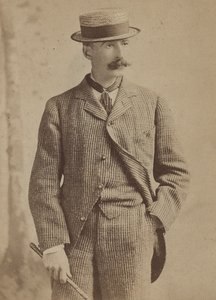
1836 - 1910 , Verenigde Staten van Amerika

Explore the captivating world of Abbott Handerson Thayer, a pioneer of American realism & Symbolism. Discover his ethereal angel paintings, innovative techniques, and lasting influence on art history. Learn about his scientific pursuits & Transcendentalist spirit.
Ontdek de 10 meest iconische meesterwerken van het Amerikaans Realisme! Van Edward Hopper tot Andrew Wyeth, leer over de kunstenaars en hun tijdloze schilderijen. Vind museumkwaliteit reproducties & decoratie op Most-Famous-Paintings.com.

Explore the powerful social commentary & artistic representation of American Realism. Discover key artists like Bellows & Sloan, and understand the movement's lasting impact on 20th-century art history.

Explore the life & legacy of Robert Henri, a pivotal figure in American Realism. Discover his captivating portraits, influence on the Ashcan School, and enduring impact on art history. Learn more at Most-Famous-Paintings.

Ontdek de 25 meest iconische schilderijen van Winslow Homer! Duik in zijn realistische marineschilderijen, Amerikaanse landschappen & emotionele kunstwerken. Vind museumkwaliteit reproducties en inspiratie voor uw interieur op Most-Famous-Paintings.com.


Blijf op de hoogte van het laatste kunstnieuws, exclusieve aanbiedingen en decoratie-ideeën.
Vertel ons over uw project en onze kunstexperts geven u 3 gepersonaliseerde kunstsuggesties.
Wij stellen 3 opties speciaal voor u samen – Gratis!


 Delen
Delen


 Lees meer







 De optie voor glas is alleen beschikbaar bij een formaat kleiner dan 110 cm.