


x

 Bestill maleri Kjøp digitalt bilde
 Send
Send
 Vis detaljer
 Legg til i favoritter
 Last ned bildet
 Liknende objekter
 Røntgenundersøkelse
 Lysbildefremvisning
Giclée- eller lerretsprint av museumskvalitet med rask produksjon og fleksible valgmuligheter for etterbehandling.





























Velg mellom våre forhåndsdefinerte størrelser som bevarer kunstverkets opprinnelige proporsjoner.

Du kan oppgi egne mål for å tilpasse en spesifikk ramme eller et bestemt område. Dersom den valgte størrelsen ikke samsvarer med det originale bildets proporsjoner, vil vi enten beskjære kunstverket eller utvide bildet med en speilet eller ensfarget kant. En digital mockup vil bli sendt til din godkjenning før produksjonen starter.
Vennligst merk at forhåndsvisningen på skjermen ikke gjenspeiler den faktiske beskjæringen eller utvidelsen. Kun mockuppen vil vise den endelige komposisjonen nøyaktig.
Selv om tilpassede størrelser er tilgjengelige, anbefaler vi å velge et mål fra den forhåndsdefinerte listen for å bevare de originale proporsjonene.
Verdensomspennende levering () på 2 uker i stedet for standard 4/5 uker. (23 July)


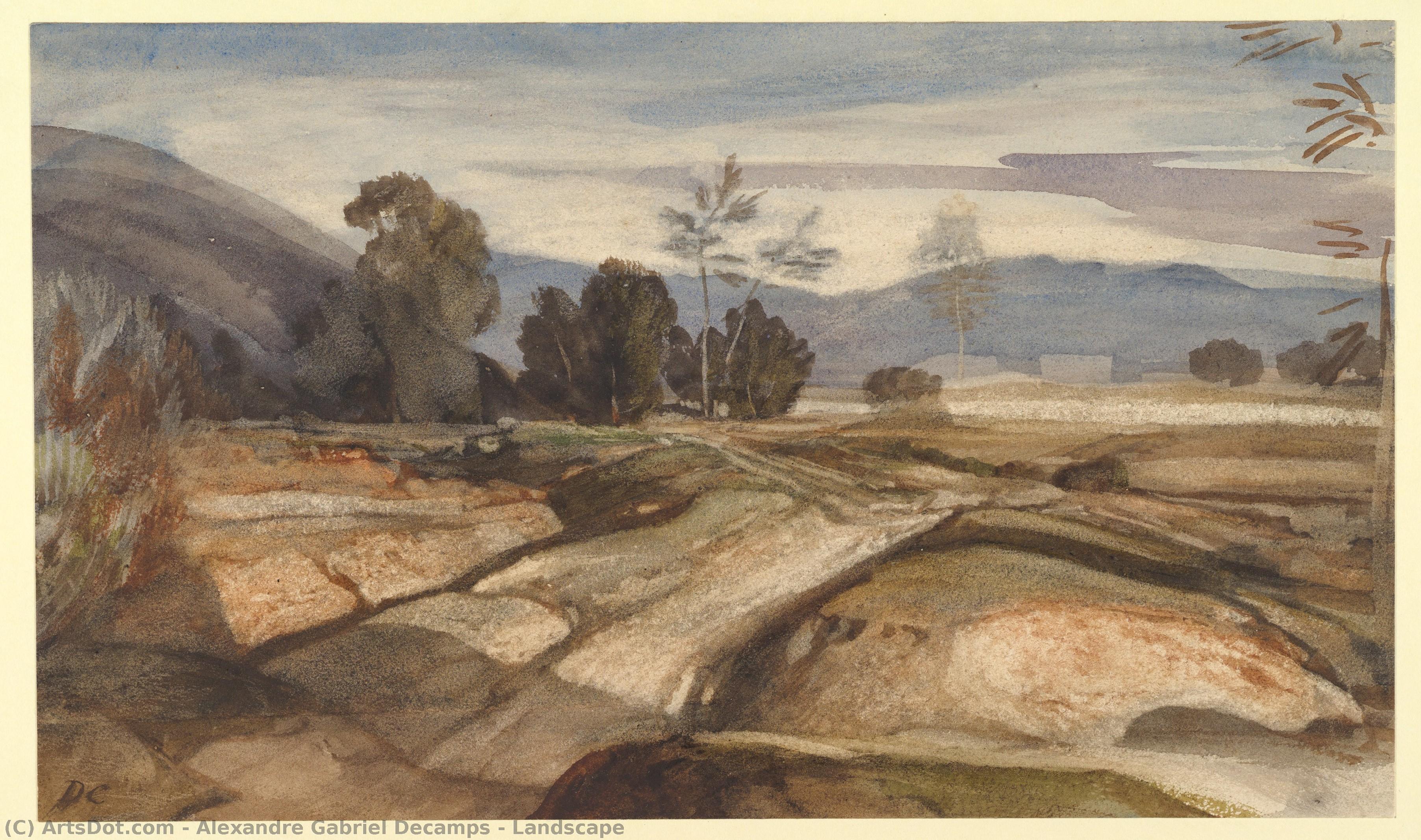
Landscape
Størrelse på reproduksjon
Alexandre Gabriel Decamps (1803 – 1860) stands as an intriguing figure in the annals of French art history, a painter who dared to venture beyond the confines of academic tradition and embraced the burgeoning fascination with the Orient that characterized the Romantic era. Unlike his contemporaries preoccupied with grand historical narratives or idealized landscapes, Decamps possessed a singular vision—one rooted in meticulous observation and infused with a palpable emotional resonance that distinguishes him as a pioneer of Orientalist painting.
His artistic trajectory began amidst the intellectual fervor of Paris during the mid-19th century, where discussions surrounding Eastern cultures fueled imaginative explorations. Decamps wasn’t merely documenting distant lands; he sought to convey their atmosphere and spirit—the vibrant colors, exotic flora, and captivating rituals that captivated European sensibilities. This approach aligns perfectly with the Romantic movement's emphasis on subjective experience and emotional intensity.
“Landscape,” created in 1840, exemplifies this distinctive style. The painting portrays a rocky hillside adorned with trees—a motif frequently employed by Romantic artists to symbolize resilience and spiritual contemplation. Decamps’ masterful brushwork captures the interplay of light and shadow, conveying not just visual information but also an emotional sense of wonder and solitude. Notably displayed at The Metropolitan Museum of Art in New York City, this artwork serves as a poignant reminder of Decamps' ability to translate sensory experience into enduring artistic expression.
Beyond its aesthetic qualities, “Landscape” speaks to the broader cultural currents of its time. It reflects the Romantic fascination with the exotic—a desire to escape the constraints of bourgeois society and immerse oneself in experiences that stirred the imagination. Decamps’ depiction of a mountainous terrain imbued with vegetation is symbolic of overcoming obstacles and achieving spiritual enlightenment – themes central to Romantic thought.
The painting's muted palette contributes significantly to its emotional impact, fostering a contemplative mood that invites viewers to contemplate the beauty and grandeur of the natural world. Decamps skillfully utilizes watercolor’s transparency to create an ethereal quality, enhancing the sense of distance and conveying the sublime—a concept championed by Romantic philosophers like Edmund Burke.
Alexandre Gabriel Decamps’ “Landscape” remains an exceptional achievement—a testament to his artistic vision and a captivating illustration of Romantic painting's enduring legacy.


1803 - 1860 , Frankrike

Opplev impressionismens magi! Utforsk 10 ikoniske landskapsmalerier av Monet, Renoir og Van Gogh. Lær om kunsthistorien bak mesterverkene & finn din perfekte veggkunst på Most-Famous-Paintings.com – museumskvalitet for ditt hjem.

Oppdag de 10 mest legendariske akvarellmesterverkene av kunstnere som Turner, Monet & Goya. Lær om historien bak ikoniske malerier og finn inspirasjon til interiørdesign. Museumskvalitet reproduksjoner på Most-Famous-Paintings.no – utforsk samlingen online!

Oppdag de 10 mest ikoniske romantiske landskapsmaleriene! Fra Caspar David Friedrich til Turner – utforsk kunsthistorien, stemningen og fargepalettene. Finn museumskvalitets reproduksjoner på Most-Famous-Paintings.com.

Explore the captivating Orientalist paintings of Carl Haag (1820-1915). Discover his detailed watercolors, Victorian landscapes & spiritual themes. Expert insights for collectors and art enthusiasts at Most-Famous-Paintings.
Utforsk de 10 mest ikoniske landskapsmaleriene gjennom tidene! Fra Monet til Friedrich – oppdag historien bak mesterverkene, kunstnernes teknikker og inspirasjonen. Finn reproduksjoner av høy kvalitet for ditt hjem på Most-Famous-Paintings.no. Utforsk samlingen online!


Hold deg oppdatert med de siste kunstnyhetene, eksklusive tilbud og dekorasjonsideer.
Fortell oss om prosjektet ditt, så vil våre kunsteksperter gi deg 3 personlige kunstforslag.
Vi velger ut 3 alternativer kun for deg – helt gratis!


 Del med andre


 Vis hele teksten







 Glassalternativet er kun tilgjengelig i størrelser under 110 cm


