


x

 Contemporary Realism
 1991Contemporary
 41.0 x 51.0 cm
 Lithuanian Art Centre TARTLE
Håndmalt olje på lerret i din valgte størrelse og ramme, laget på bestilling av våre kunstnere. ( Kjøp trykk Kjøp bilde)





























Velg mellom våre forhåndsdefinerte størrelser som bevarer kunstverkets opprinnelige proporsjoner.

Du kan angi egne mål for å tilpasse en spesifikk ramme eller plass. Dersom den valgte størrelsen ikke samsvarer med originalbildets proporsjoner, vil vi enten beskjære kunstverket eller utvide maleriet med ytterligere håndmalte elementer. En digital mockup vil bli sendt til din godkjenning før produksjonen starter.
Vennligst merk at forhåndsvisningen på skjermen ikke gjenspeiler den faktiske beskjæringen eller utvidelsen. Kun mockuppen vil vise den endelige komposisjonen nøyaktig.
Selv om tilpassede størrelser er tilgjengelige, anbefaler vi å velge et mål fra den forhåndsdefinerte listen for å bevare de originale proporsjonene.
Verdensomspennende levering () på 3–4 uker i stedet for standard 5 uker. (15 August). Ingen kompromisser med kvaliteten.


Two Quinces
Størrelse på reproduksjon
In the vast landscape of late twentieth-century Lithuanian art, few works capture the profound beauty of the mundane as intimately as Algimantas Švėgžda’s Two Quinces. Created in 1991, a period of immense transition and reflection, this still life serves as a masterclass in minimalist observation. At first glance, the composition appears deceptively simple: two ripe fruits resting against an ethereal, neutral backdrop. Yet, beneath this surface lies a sophisticated dialogue between light, form, and color. Švėgžda invites the viewer into a meditative space where the distractions of the modern world fall away, leaving only the tactile presence of nature’s bounty.
The technique employed in this piece reflects the artist's unique ability to blend elements of Pop Art clarity with a delicate, almost pointillist sensitivity. The vibrant, warm hues of the quinces—ranging from deep golds to soft ochres—create a striking visual tension against the stark, clean white background. This deliberate use of negative space is not merely an absence of subject, but a structural element that pushes the fruit forward, making the textures feel almost palpable. One can almost sense the weight and the slightly textured skin of the fruit, a testament to Švėgžda’s mastery over light and shadow.
Beyond its aesthetic appeal, Two Quinces carries a deeper emotional resonance rooted in the artist's biography. Growing up in Kelmė, shaped by a father who understood the theatricality of scenery and a mother who valued the precision of teaching, Švėgžda developed an eye for the essential. The quince, often a symbol of fertility, longevity, and the sweetness of life, acts here as a vessel for memory and permanence. In a world characterized by rapid socio-political change, this painting offers a sanctuary of stillness. The placement of the two fruits—one slightly elevated above the other—creates a subtle rhythmic movement that guides the eye in a gentle loop, mirroring the cyclical nature of life and the seasons.
For the discerning collector or interior designer, this artwork represents more than just a decorative element; it is an anchor of tranquility. The painting’s ability to harmonize with diverse environments makes it a versatile choice for modern, minimalist, or classical interiors alike. Whether placed in a sun-drenched breakfast nook or a sophisticated gallery-style living room, the piece brings a sense of organic warmth and intellectual depth. It serves as a reminder that true elegance is often found in the most understated moments, making this reproduction an exquisite investment for those who seek to surround themselves with art that speaks of quiet strength and timeless beauty.


1941 - 1996 , Lithuania

Utforsk de 10 mest ikoniske maleriene dominert av hvitt – fra Monet til Van Gogh. Lær historien bak disse mesterverkene og finn inspirasjon for ditt hjem. Museumskvalitet kunsttrykk på Most-Famous-Paintings.com! Oppdag hele samlingen online.

Explore the rich history of still life painting & the symbolism of fruit across art movements. Discover masterpieces from Caravaggio to Cézanne with Most-Famous-Paintings – expert guidance & museum-quality reproductions.
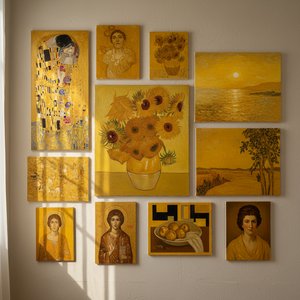
Utforsk 10 ikoniske malerier dominert av varmt okergult! Fra Van Gogh til Monet – lær historien bak mesterverkene og finn inspirasjon for ditt hjem. Museumskvalitet kunsttrykk på Most-Famous-Paintings.com. Oppdag hele samlingen online!
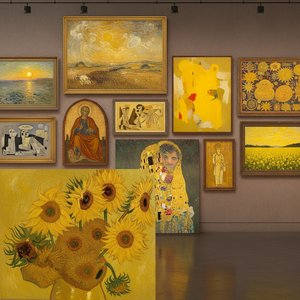
Oppdag topp 10 malerier dominert av kromgul! Fra Van Goghs solsikker til Monets stråfelt – utforsk historien, teknikken og skjønnheten bak ikoniske kunstverk. Finn museumskvalitets reproduksjoner & interiørinspirasjon på Most-Famous-Paintings.com.
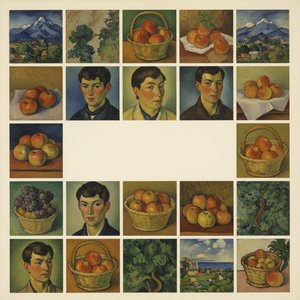
Utforsk Paul Cézannes 25 mest ikoniske malerier! Oppdag historien bak impresjonismens mesterverk, fra stilleben til landskap. Finn kunsttrykk av høy kvalitet og interiørinspirasjon på Most-Famous-Paintings.com.


Hold deg oppdatert med de siste kunstnyhetene, eksklusive tilbud og dekorasjonsideer.
Fortell oss om prosjektet ditt, så vil våre kunsteksperter gi deg 3 personlige kunstforslag.
Vi velger ut 3 alternativer kun for deg – helt gratis!


 Forhåndsvisning
 Send
Send Del med andre
 Vis detaljer

 Last ned bildet
 Liknende objekter
 Røntgenundersøkelse
 Lysbildefremvisning
 Vis hele teksten







 Glassalternativet er kun tilgjengelig i størrelser under 110 cm


