x

 Oil On CanvasWallArtFrench Academic Art
 183119th Century
 44.0 x 49.0 cm
 Metropolitan Museum of Art
Kjøp et høyoppløselig, forbedret digitalt bilde som er langt bedre enn forhåndsvisningen på nettet.
Hver fil er omhyggelig klargjort av våre egne spesialister ved hjelp av avanserte verktøy og profesjonell manuell retusjering. Vi sørger for at hvert bilde har eksepsjonell klarhet, presis fargegjengivelse og fine detaljer.
Den endelige filen leveres via e-post innen 72 timer, optimalisert for umiddelbar bruk i profesjonelle, redaksjonelle og trykte miljøer. Dette er den samme kvaliteten som benyttes av ledende designstudioer, utgivere og gallerier.
Last ned en høyoppløselig fil for personlig bruk, utskrift og kreative prosjekter. ( Kjøp trykk Kjøp håndlaget maleri)
Når du velger Most-Famous-Paintings.com, får du ikke bare et bilde – du mottar et profesjonelt forbedret digitalt kunstverk, skapt med presisjon og med en garantert tilfredshetsgaranti. Her er alt som automatisk følger med din bestilling:

Din høyoppløselige digitale bildefil sendes til din e-post innen 72 timer etter bestilling – klar til umiddelbar bruk.

Ditt kunstverk blir profesjonelt optimalisert ved hjelp av avanserte AI-verktøy og manuell redigering, noe som sikrer maksimal detaljrikdom, klarhet og fargegjengivelse.

Har du ved et uhell slettet eller mistet filen din? Ingen bekymring – vi sender den på nytt når som helst, helt gratis.

Nyt ditt kunstverk umiddelbart uten toll, avgifter eller leveringskostnader – digitale nedlastinger er alltid avgiftsfrie.

Vi sikrer at ditt digitale bilde gjenspeiler de originale fargene så nøyaktig som mulig ved hjelp av profesjonelle verktøy og fargehåndtering.

Hvis du ikke er fornøyd med ditt digitale bilde, vil vi revidere det eller refundere 100% innen 60 dager – uten spørsmål.

Ikke fornøyd? Få full refusjon innen 60 dager etter at du har mottatt din digitale fil – uten spørsmål.

Kjøp 3 bilder, spar 10% - Kjøp 5, spar 15% - Kjøp 10+, spar 20%. Ideelt for kreative prosjekter, gallerier og byråer.
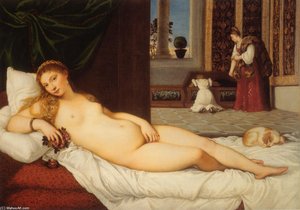
Asher Brown Durand's “Ariadne,” completed in 1831, is more than just a painting; it’s a poignant meditation on isolation and beauty rendered with the meticulous skill honed during his years as America’s foremost engraver. Measuring 44 x 49 cm, this oil-on-canvas work, currently residing within The Metropolitan Museum of Art in New York, offers a captivating glimpse into the artistic currents of its time – specifically, the delicate interplay between Neoclassicism and Romanticism that defined the early 19th century.
Durand’s artistic approach is profoundly shaped by his background as an engraver, a skill that instilled in him an unparalleled attention to detail and a deep understanding of tonal gradation. This technical mastery is evident in the painting's remarkably smooth surfaces and precise rendering of form. However, “Ariadne” transcends mere technical proficiency; it’s infused with the burgeoning Romantic sensibility that was beginning to challenge the rigid ideals of Neoclassicism. While Vanderlyn’s work prioritized clarity and order, Durand introduces a deliberate softness into the drapery and an overall atmosphere of melancholy. This shift reflects the broader artistic movement's embrace of emotional expression and subjective experience – a move away from purely objective representation.
The painting’s creation occurred during a period of significant social and political change in America, following the Napoleonic Wars. The French Academic Art Movement, which Durand aligned with, sought to revive classical ideals while simultaneously acknowledging the power of human emotion. This fusion is powerfully realized in “Ariadne,” where the serene natural setting – trees and mountains – serves not as a backdrop for heroic action but as a contemplative space for the princess’s sorrow.
The composition itself speaks volumes. Ariadne lies prone, her hands gently placed behind her head, suggesting both vulnerability and a quiet acceptance of her fate. The muted color palette – dominated by blues, grays, and browns – reinforces the mood of desolation and isolation. Even the inclusion of a bird adds to the painting’s symbolic weight; birds are often associated with freedom and hope, yet here they seem equally trapped within the scene, mirroring Ariadne's predicament.
Comparing “Ariadne” to Pompeo Batoni’s *Diana and Cupid* reveals striking similarities in subject matter and setting – both depict mythological figures in idyllic natural landscapes. However, where Batoni’s work exudes a sense of joyous celebration, Durand’s rendition is imbued with a profound sadness, highlighting the artist's deliberate adaptation of Neoclassical principles to suit American tastes and his own Romantic sensibilities.
"Ariadne" stands as a testament to Asher Brown Durand’s artistic vision and technical skill. It represents a pivotal moment in American art history, bridging the gap between classical tradition and burgeoning Romanticism. Its enduring appeal lies not only in its exquisite detail but also in its ability to evoke a powerful emotional response – a reminder of human vulnerability and the poignant beauty found even in moments of profound solitude.


1796 - 1886 , USA


Hold deg oppdatert med de siste kunstnyhetene, eksklusive tilbud og dekorasjonsideer.
Fortell oss om prosjektet ditt, så vil våre kunsteksperter gi deg 3 personlige kunstforslag.
Vi velger ut 3 alternativer kun for deg – helt gratis!


 Forhåndsvisning
 Send
Send Del med andre
 Vis detaljer

 Last ned bildet
 Liknende objekter
 Røntgenundersøkelse
 Lysbildefremvisning
 Vis hele teksten