


x


 Oil On CanvasWallArtRococo
 1729
1729 110.0 x 105.0 cm
 Louvre
Giclée- eller lerretsprint av museumskvalitet med rask produksjon og fleksible valgmuligheter for etterbehandling. ( Switch to hand made Painting Switch to Image)





























Velg mellom våre forhåndsdefinerte størrelser som bevarer kunstverkets opprinnelige proporsjoner.

Du kan oppgi egne mål for å tilpasse en spesifikk ramme eller et bestemt område. Dersom den valgte størrelsen ikke samsvarer med det originale bildets proporsjoner, vil vi enten beskjære kunstverket eller utvide bildet med en speilet eller ensfarget kant. En digital mockup vil bli sendt til din godkjenning før produksjonen starter.
Vennligst merk at forhåndsvisningen på skjermen ikke gjenspeiler den faktiske beskjæringen eller utvidelsen. Kun mockuppen vil vise den endelige komposisjonen nøyaktig.
Selv om tilpassede størrelser er tilgjengelige, anbefaler vi å velge et mål fra den forhåndsdefinerte listen for å bevare de originale proporsjonene.
Verdensomspennende levering () på 2 uker i stedet for standard 4/5 uker. (30 July)


Aeneas Carrying Anchises
Størrelse på reproduksjon
Charles-André van Loo’s “Aeneas Carrying Anchises,” painted in 1729, is more than just a depiction of a pivotal moment from Virgil's *Aeneid*; it’s a masterful distillation of the Rococo style, imbued with a profound sense of drama and classical gravitas. This artwork, now meticulously reproduced on hand-painted canvas by Most-Famous-Paintings, offers a captivating glimpse into 18th-century French artistic sensibilities – a world where mythological narratives intertwined seamlessly with aristocratic life and an exquisite attention to detail reigned supreme.
The scene unfolds within a classically inspired architectural setting, reminiscent of the Temple of Venus or perhaps even the Parthenon, lending an air of timeless grandeur. Van Loo skillfully employs atmospheric perspective – the subtle blurring of details in the background – to draw the viewer’s eye towards the central figures: Aeneas, the Trojan hero, and his aged father, Anchises. The composition is carefully balanced, utilizing a pyramidal structure that reinforces the importance of these two patriarchs. Note the deliberate use of light; it illuminates Aeneas's determined face and the weight of responsibility he carries, while casting a softer glow upon Anchises, suggesting both vulnerability and profound wisdom.
As a leading figure in the Rococo movement, Van Loo’s signature style is immediately recognizable. The painting bursts with rich, layered colors – deep reds, blues, and golds dominate the palette, creating an opulent and luxurious atmosphere. The artist's meticulous brushwork reveals a remarkable attention to texture; from the folds of Aeneas’s cloak to the weathered skin of Anchises, every surface is rendered with incredible realism. Observe how he uses shimmering highlights to capture the light reflecting off polished marble columns and the fabric of their garments – a hallmark of Rococo technique.
The decorative elements are equally noteworthy. The architectural details, while rooted in classical forms, are embellished with intricate moldings, garlands, and subtle flourishes characteristic of the era. Van Loo’s mastery extends to portraying the human form; Aeneas and Anchises are depicted with a graceful elegance that reflects the ideals of beauty prevalent during the Rococo period. The inclusion of other figures in the background – soldiers, attendants, and perhaps even a veiled woman – adds depth and narrative complexity to the scene, hinting at the broader context of the Trojan War and its aftermath.
Beyond its aesthetic beauty, “Aeneas Carrying Anchises” is rich in symbolic meaning. The act of Aeneas carrying his father represents not only filial devotion but also the burden of leadership and the transmission of legacy. Anchises, a descendant of Aeneas and the rightful heir to Troy, embodies the continuity of Roman civilization. The setting itself – a temple or monumental structure – elevates the scene to a realm of mythic importance, suggesting that Aeneas’s journey is not merely a personal quest but a destiny ordained by the gods.
Furthermore, the presence of the woman in the background has been interpreted as representing Fides (Faith) or perhaps even Venus herself, subtly reinforcing the themes of duty, honor, and divine guidance. The painting's overall mood is one of solemn determination tempered with a poignant sense of loss – a reminder of the sacrifices required to fulfill a noble purpose. Most-Famous-Paintings’s faithful reproduction captures this nuanced emotional depth, allowing viewers to fully appreciate the artistry and storytelling embedded within Van Loo’s masterpiece.
Whether you're an art enthusiast, a collector seeking to enrich your collection, or simply someone looking for a stunning addition to your interior décor, Most-Famous-Paintings’s hand-painted reproduction of “Aeneas Carrying Anchises” offers the perfect opportunity to own a piece of 18th-century artistic history. The meticulous detail and vibrant colors faithfully recreate Van Loo's original vision, while the canvas medium provides a timeless quality that will endure for generations to come. Explore our selection of sizes and framing options to find the ideal representation for your space – and experience the enduring power of this iconic artwork.


1705 - 1765 , Frankrike

Oppdag Claude Monets 25 mest ikoniske malerier! Fordyp deg i impressionismens verden, fra vannliljer til soleiloppgang. Historien bak kunsten & eksklusive reproduksjoner på Most-Famous-Paintings.no – for et kunstfullt hjem.
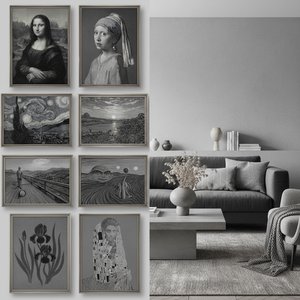
Utforsk 10 ikoniske gråtonemalerier av Munch, Van Gogh og Monet! Oppdag historien bak disse stemningsfulle klassikerne og finn inspirasjon til din interiørkunst. Museumskvalitet reproduksjoner på Most-Famous-Paintings.no – utforsk samlingen online!
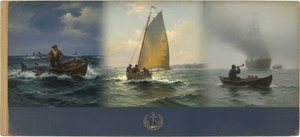
Oppdag de 25 mest ikoniske maleriene av Winslow Homer! Utforsk amerikansk kunst, realistisk stil og vakre landskap. Finn inspirasjon til interiørdesign & kjøp eksklusive reproduksjoner på Most-Famous-Paintings.com.

Utforsk 10 berømte malerier dominert av kromgrønne toner! Oppdag historiene bak Monet, Van Gogh og andre mestere. Finn kunsttrykk i museumskvalitet & interiørinspirasjon på Most-Famous-Paintings.com.
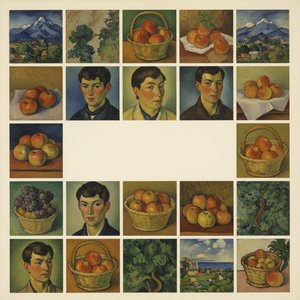
Utforsk Paul Cézannes 25 mest ikoniske malerier! Oppdag historien bak impresjonismens mesterverk, fra stilleben til landskap. Finn kunsttrykk av høy kvalitet og interiørinspirasjon på Most-Famous-Paintings.com.


Hold deg oppdatert med de siste kunstnyhetene, eksklusive tilbud og dekorasjonsideer.
Fortell oss om prosjektet ditt, så vil våre kunsteksperter gi deg 3 personlige kunstforslag.
Vi velger ut 3 alternativer kun for deg – helt gratis!


 Preview
 Send
Send Del med andre
 Vis detaljer

 Last ned bildet
 Liknende objekter
 Røntgenundersøkelse
 Lysbildefremvisning
 Vis hele teksten







 Glassalternativet er kun tilgjengelig i størrelser under 110 cm


