x

Håndmalt olje på lerret i din valgte størrelse og ramme, laget på bestilling av våre kunstnere. ( Kjøp trykk Kjøp bilde)





























Velg mellom våre forhåndsdefinerte størrelser som bevarer kunstverkets opprinnelige proporsjoner.

Du kan angi egne mål for å tilpasse en spesifikk ramme eller plass. Dersom den valgte størrelsen ikke samsvarer med originalbildets proporsjoner, vil vi enten beskjære kunstverket eller utvide maleriet med ytterligere håndmalte elementer. En digital mockup vil bli sendt til din godkjenning før produksjonen starter.
Vennligst merk at forhåndsvisningen på skjermen ikke gjenspeiler den faktiske beskjæringen eller utvidelsen. Kun mockuppen vil vise den endelige komposisjonen nøyaktig.
Selv om tilpassede størrelser er tilgjengelige, anbefaler vi å velge et mål fra den forhåndsdefinerte listen for å bevare de originale proporsjonene.
Verdensomspennende levering () på 3–4 uker i stedet for standard 5 uker. (17 August). Ingen kompromisser med kvaliteten.


L'Espada
Størrelse på reproduksjon
Édouard Manet’s L’Espada, a monochromatic etching completed around 1862, isn't merely a portrait; it’s a carefully constructed tableau vivant—a snapshot of Victorian masculinity imbued with an undercurrent of melancholy and subtle defiance. The subject, identified as Victorine Meurent, a model known for her striking beauty and independent spirit, is depicted in a pose that simultaneously evokes the grandeur of a Spanish bullfighter and the vulnerability of a solitary figure. Manet masterfully captures a moment suspended between action and contemplation, inviting the viewer to decipher the narrative hidden within this seemingly simple scene.
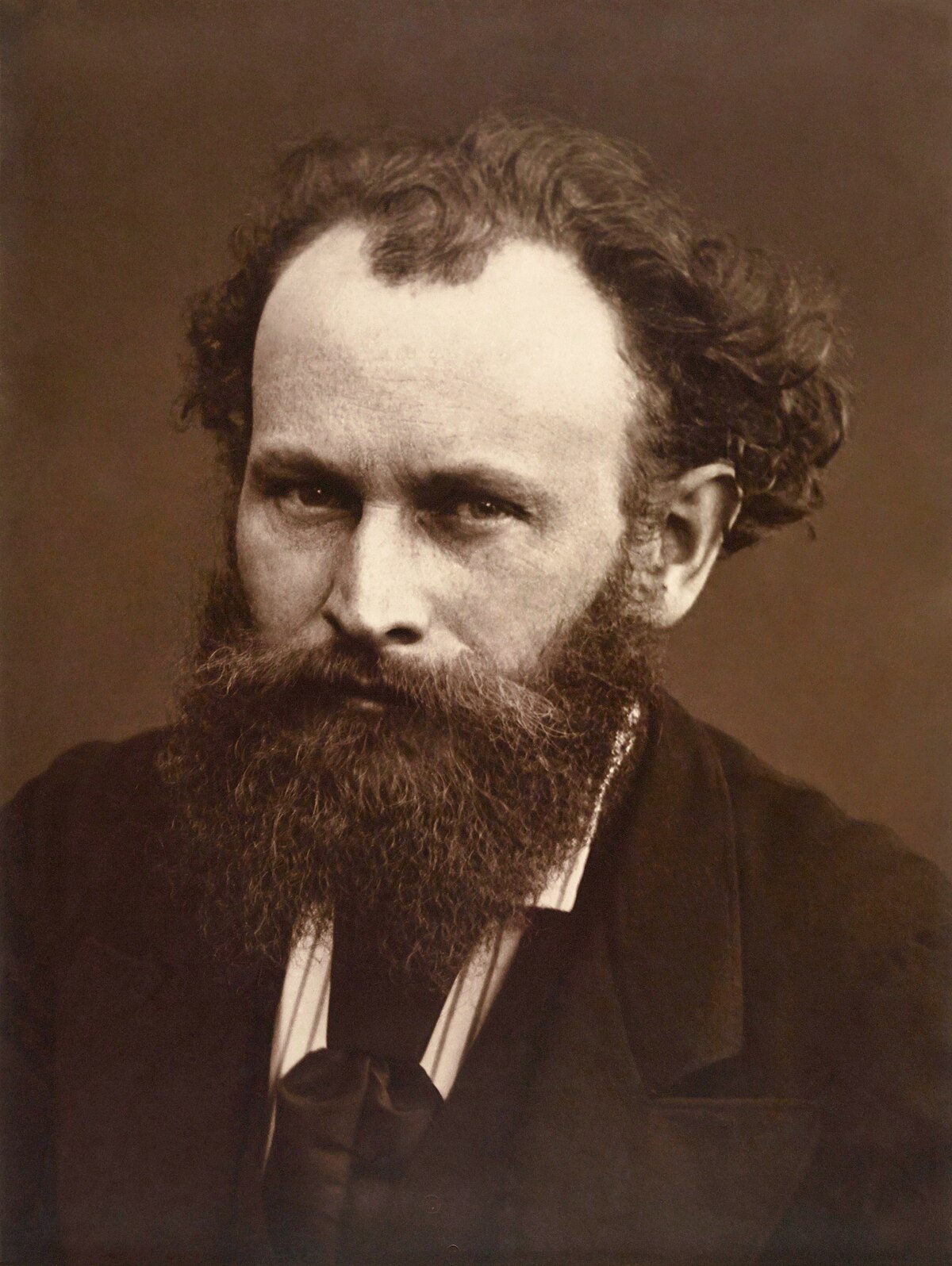
The etching’s power lies in its deliberate blending of influences. Manet, a restless innovator, drew inspiration from a diverse range of sources—from the dramatic compositions of Francisco Goya's *Tauromaquia* series to the theatrical poses of Renaissance prints depicting figures like Temperance and Justice. He skillfully adapted elements from these disparate traditions, creating a work that feels both historically rooted and strikingly modern. The backdrop, a meticulously rendered scene of a bullring, echoes Goya’s powerful imagery while Victorine's stance subtly references the allegorical figure of Temperance, suggesting restraint and control. The inclusion of other figures in the background—a group of spectators observing the action—adds to the sense of drama and immediacy.
Manet’s masterful use of etching technique is central to the work's impact. The stark contrasts between light and shadow, achieved through varying pressures on the metal plate, create a dramatic sense of depth and volume. The sharply defined lines delineate the subject’s form, while subtle tonal variations suggest texture—the folds of his cloak, the sheen of his sword, and the rough surface of the bullring wall. The monochromatic palette amplifies the emotional intensity of the scene, lending it a somber and introspective quality. Victorine's direct gaze at the viewer is particularly arresting, inviting us to share in her quiet contemplation.
Beyond its formal elements, L’Espada offers a poignant commentary on Victorian masculinity. The figure of the “espada,” or bullfighter, traditionally represented strength, courage, and virility, is here presented with an unexpected vulnerability. Victorine's unconventional attire—a pink cape that deviates from the traditional red—and her detached expression suggest a rejection of conventional expectations. The etching subtly critiques the rigid social codes of the era, hinting at the suppressed emotions and desires beneath the surface of Victorian propriety. It’s a portrait not just of a man, but of a complex and layered individual grappling with his own identity within a restrictive society.


1832 - 1883 , Frankrike
Utforsk Édouard Manets 25 mest ikoniske malerier! Oppdag historien bak impresjonismens revolusjonære kunstverk – fra 'Le Déjeuner sur l'herbe' til 'Olympia'. Finn inspirasjon og museumskvalitets reproduksjoner for ditt hjem på Most-Famous-Paintings.com.

Utforsk 10 legendariske etser av Rembrandt, Goya og Dürer som revolusjonerte kunsthistorien! Oppdag historiene bak mesterverkene og finn inspirasjon til din interiørdesign hos Most-Famous-Paintings.no – museumskvalitet reproduksjoner.

Explore the rich history of etching, from its origins to Rembrandt's masterful innovations. Discover the technique, aesthetic qualities & enduring legacy of this captivating art form. Expert insights for collectors and enthusiasts.

Explore the rich history of etching, from its origins to modern practice. Discover techniques, key artists like Rembrandt, and insights for collectors. A comprehensive guide by Most-Famous-Paintings.

Explore the life & art of Édouard Manet, a pivotal figure bridging Realism and Impressionism. Discover his revolutionary techniques, controversial masterpieces like 'Olympia,' and lasting impact on modern art history.


Hold deg oppdatert med de siste kunstnyhetene, eksklusive tilbud og dekorasjonsideer.
Fortell oss om prosjektet ditt, så vil våre kunsteksperter gi deg 3 personlige kunstforslag.
Vi velger ut 3 alternativer kun for deg – helt gratis!


 Forhåndsvisning
 Send
Send Del med andre
 Vis detaljer

 Last ned bildet
 Liknende objekter
 Røntgenundersøkelse
 Lysbildefremvisning

 Vis hele teksten







 Glassalternativet er kun tilgjengelig i størrelser under 110 cm