


x

Kjøp et høyoppløselig, forbedret digitalt bilde som er langt bedre enn forhåndsvisningen på nettet.
Hver fil er omhyggelig klargjort av våre egne spesialister ved hjelp av avanserte verktøy og profesjonell manuell retusjering. Vi sørger for at hvert bilde har eksepsjonell klarhet, presis fargegjengivelse og fine detaljer.
Den endelige filen leveres via e-post innen 72 timer, optimalisert for umiddelbar bruk i profesjonelle, redaksjonelle og trykte miljøer. Dette er den samme kvaliteten som benyttes av ledende designstudioer, utgivere og gallerier.
Last ned en høyoppløselig fil for personlig bruk, utskrift og kreative prosjekter. ( Kjøp trykk Kjøp håndlaget maleri)
Når du velger Most-Famous-Paintings.com, får du ikke bare et bilde – du mottar et profesjonelt forbedret digitalt kunstverk, skapt med presisjon og med en garantert tilfredshetsgaranti. Her er alt som automatisk følger med din bestilling:

Din høyoppløselige digitale bildefil sendes til din e-post innen 72 timer etter bestilling – klar til umiddelbar bruk.

Ditt kunstverk blir profesjonelt optimalisert ved hjelp av avanserte AI-verktøy og manuell redigering, noe som sikrer maksimal detaljrikdom, klarhet og fargegjengivelse.

Har du ved et uhell slettet eller mistet filen din? Ingen bekymring – vi sender den på nytt når som helst, helt gratis.

Nyt ditt kunstverk umiddelbart uten toll, avgifter eller leveringskostnader – digitale nedlastinger er alltid avgiftsfrie.

Vi sikrer at ditt digitale bilde gjenspeiler de originale fargene så nøyaktig som mulig ved hjelp av profesjonelle verktøy og fargehåndtering.

Hvis du ikke er fornøyd med ditt digitale bilde, vil vi revidere det eller refundere 100% innen 60 dager – uten spørsmål.

Ikke fornøyd? Få full refusjon innen 60 dager etter at du har mottatt din digitale fil – uten spørsmål.

Kjøp 3 bilder, spar 10% - Kjøp 5, spar 15% - Kjøp 10+, spar 20%. Ideelt for kreative prosjekter, gallerier og byråer.
El Greco’s “The Last Supper,” painted in 1568, isn't merely a depiction of a biblical scene; it’s a visceral exploration of human emotion and spiritual tension. This masterpiece, housed within the Pinacoteca Nazionale di Bologna, transcends its religious subject matter to become a profound meditation on betrayal, faith, and the weight of impending doom. Far removed from the serene depictions favored by his contemporaries, El Greco plunges us directly into the heart of Christ’s final meal with his disciples, utilizing a revolutionary Mannerist style that would profoundly influence generations of artists to come.
The painting immediately captivates with its dynamic composition and unsettling realism. Unlike Leonardo da Vinci's meticulously balanced “Last Supper,” El Greco deliberately eschews harmony in favor of dramatic asymmetry. Figures are elongated and distorted, their faces contorted in expressions of shock, disbelief, and even anger. The spatial relationships are skewed, creating a sense of claustrophobia and intensifying the emotional impact. Notice how Christ’s hand, raised in a gesture of blessing, dominates the scene, drawing our eye while simultaneously radiating an aura of quiet authority amidst the surrounding turmoil.
El Greco's style is firmly rooted in the burgeoning Mannerist movement, which arose as a reaction against the perceived excesses of the High Renaissance. Rather than striving for idealized beauty and anatomical perfection, Mannerists prioritized expressive distortion, heightened color palettes, and complex spatial arrangements. El Greco masterfully embodies these principles, employing elongated figures that seem to ripple with inner energy. His use of color is equally striking – vibrant reds, blues, and yellows clash dramatically against muted browns and grays, creating a sense of unease and amplifying the emotional intensity of the scene.
Beyond its formal innovations, “The Last Supper” is rich in symbolic meaning. The arrangement of the apostles around the table isn’t simply a realistic depiction; it's a carefully constructed tableau designed to convey theological ideas about betrayal, sacrifice, and redemption. Observe how Judas, often identified by his distinctive green garment, sits isolated from the group, representing the act of treachery that will ultimately lead to Christ’s crucifixion. The gesture of reaching for bread and wine symbolizes the Eucharist—the central sacrament of Christianity—and the promise of eternal life.
Furthermore, El Greco's background in Byzantine iconography is evident in his use of symbolism. The figures are not rendered as individual portraits but rather as archetypal representations of humanity’s spiritual journey. The overall atmosphere of the painting suggests a profound sense of foreboding and impending tragedy, reflecting the psychological drama at the heart of the biblical narrative.
“The Last Supper” stands as a testament to El Greco's unique artistic vision—a fusion of Byzantine tradition and Western innovation. His dramatic use of color, distorted figures, and intense emotional expression broke with established conventions and paved the way for future generations of artists who sought to convey subjective experience through their work. Reproductions of this powerful image offer a remarkable opportunity to connect with one of art history’s most compelling and enigmatic figures, allowing us to contemplate the profound themes of faith, betrayal, and human suffering that continue to resonate today.

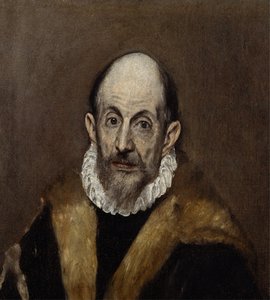
1541 - 1614 , Gresland


Hold deg oppdatert med de siste kunstnyhetene, eksklusive tilbud og dekorasjonsideer.
Fortell oss om prosjektet ditt, så vil våre kunsteksperter gi deg 3 personlige kunstforslag.
Vi velger ut 3 alternativer kun for deg – helt gratis!


 Forhåndsvisning
 Send
Send Del med andre
 Vis detaljer

 Last ned bildet
 Liknende objekter
 Røntgenundersøkelse
 Lysbildefremvisning

 Vis hele teksten


