


x


 Preview
 Bestill trykk Bestill maleri
 Send
Send
 Vis detaljer
 Legg til i favoritter
 Last ned bildet
 Liknende objekter
 Røntgenundersøkelse
 Lysbildefremvisning
Kjøp et høyoppløselig, forbedret digitalt bilde som er langt bedre enn forhåndsvisningen på nettet.
Hver fil er omhyggelig klargjort av våre egne spesialister ved hjelp av avanserte verktøy og profesjonell manuell retusjering. Vi sørger for at hvert bilde har eksepsjonell klarhet, presis fargegjengivelse og fine detaljer.
Den endelige filen leveres via e-post innen 72 timer, optimalisert for umiddelbar bruk i profesjonelle, redaksjonelle og trykte miljøer. Dette er den samme kvaliteten som benyttes av ledende designstudioer, utgivere og gallerier.
Last ned en høyoppløselig fil for personlig bruk, utskrift og kreative prosjekter.
Når du velger Most-Famous-Paintings.com, får du ikke bare et bilde – du mottar et profesjonelt forbedret digitalt kunstverk, skapt med presisjon og med en garantert tilfredshetsgaranti. Her er alt som automatisk følger med din bestilling:

Din høyoppløselige digitale bildefil sendes til din e-post innen 72 timer etter bestilling – klar til umiddelbar bruk.

Ditt kunstverk blir profesjonelt optimalisert ved hjelp av avanserte AI-verktøy og manuell redigering, noe som sikrer maksimal detaljrikdom, klarhet og fargegjengivelse.

Har du ved et uhell slettet eller mistet filen din? Ingen bekymring – vi sender den på nytt når som helst, helt gratis.

Nyt ditt kunstverk umiddelbart uten toll, avgifter eller leveringskostnader – digitale nedlastinger er alltid avgiftsfrie.

Vi sikrer at ditt digitale bilde gjenspeiler de originale fargene så nøyaktig som mulig ved hjelp av profesjonelle verktøy og fargehåndtering.

Hvis du ikke er fornøyd med ditt digitale bilde, vil vi revidere det eller refundere 100% innen 60 dager – uten spørsmål.

Ikke fornøyd? Få full refusjon innen 60 dager etter at du har mottatt din digitale fil – uten spørsmål.

Kjøp 3 bilder, spar 10% - Kjøp 5, spar 15% - Kjøp 10+, spar 20%. Ideelt for kreative prosjekter, gallerier og byråer.
Doménikos Theotokópoulos, universally known as El Greco – “the Greek” – possessed a singular ability to imbue his paintings with an almost unbearable intensity. His work wasn’t merely representation; it was a visceral experience, a direct conduit to the spiritual realm. “The Risen Christ,” created around 1595 and now housed within the Toledo Cathedral in Spain, stands as a prime example of this profound engagement. This monochromatic masterpiece isn't simply a depiction of resurrection; it’s an exploration of faith, vulnerability, and the yearning for divine grace – rendered with the raw emotion characteristic of El Greco’s Mannerist style.
The photograph captures a wood sculpture, likely executed by El Greco himself or one of his workshop assistants. The figure is dramatically posed, arms raised in an expansive gesture that seems to reach towards the heavens. His face, etched with sorrow and a nascent hope, gazes upwards, inviting contemplation on the miracle he has witnessed. The stark black and white palette intensifies the emotional impact, stripping away any superfluous detail and focusing solely on the essential elements of this pivotal moment.
El Greco’s artistic journey was a fascinating synthesis of influences. Born in Crete – a region steeped in Byzantine tradition – he initially trained within the meticulous conventions of that ancient art form, mastering the use of gold leaf and intricate iconography. However, his time in Venice and Rome exposed him to the burgeoning Renaissance ideals, while his eventual settlement in Toledo, Spain, profoundly shaped his distinctive style. Toledo, a city at the crossroads of cultures – Christian, Jewish, and Muslim – provided a rich tapestry of artistic traditions that he skillfully absorbed and reinterpreted.
This sculpture reflects the core tenets of Mannerism, a movement characterized by elongated figures, distorted perspectives, and an emphasis on emotional expression. El Greco’s use of dramatic diagonals, heightened colors (though rendered in monochrome here), and a sense of dynamism anticipates later artistic movements like Expressionism and Cubism, demonstrating his remarkably prescient vision. The sculpture's scale is also significant; the height of Christ emphasizes his divine status and draws the viewer upwards, mirroring the gesture of his arms.
The symbolism within “The Risen Christ” is layered and deeply resonant. The outstretched arms represent not only resurrection but also a plea for forgiveness and connection with God. The upward gaze signifies hope, faith, and the transcendence of earthly suffering. The stark simplicity of the composition – devoid of extraneous details – forces the viewer to confront the core essence of the event: the miracle of Christ’s return. The choice of wood as the medium further reinforces the sculpture's connection to both the earthly realm (the material itself) and the spiritual one (representing the body of Christ).
El Greco’s work is inextricably linked to Toledo, a city he adopted as his artistic home. The Museo de El Greco, located within the city walls, houses an extensive collection of his paintings and sculptures, offering visitors a profound insight into the artist's life and creative process. The sculpture itself resides in the Hospital Tavera, a testament to its enduring significance. Exploring Toledo’s art scene – including Santo Domingo el Antiguo and The Royal Seat of San Lorenzo de El Escorial – provides further context for understanding El Greco’s place within the broader artistic landscape of Spain during the Spanish Golden Age. Reproductions of “The Risen Christ” offer a remarkable opportunity to bring this powerful work into any setting, allowing its emotional depth and spiritual resonance to be experienced anew.

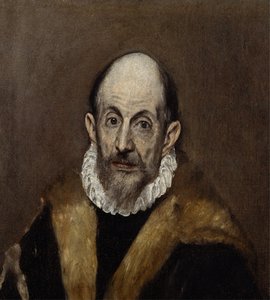
1541 - 1614 , Gresland


Hold deg oppdatert med de siste kunstnyhetene, eksklusive tilbud og dekorasjonsideer.
Fortell oss om prosjektet ditt, så vil våre kunsteksperter gi deg 3 personlige kunstforslag.
Vi velger ut 3 alternativer kun for deg – helt gratis!


 Del med andre


 Vis hele teksten


