x

 Bestill trykk Kjøp digitalt bilde
 Send
Send
 Vis detaljer
 Legg til i favoritter
 Last ned bildet
 Liknende objekter
 Røntgenundersøkelse
 Lysbildefremvisning
Håndmalt olje på lerret i din valgte størrelse og ramme, laget på bestilling av våre kunstnere.





























Velg mellom våre forhåndsdefinerte størrelser som bevarer kunstverkets opprinnelige proporsjoner.

Du kan angi egne mål for å tilpasse en spesifikk ramme eller plass. Dersom den valgte størrelsen ikke samsvarer med originalbildets proporsjoner, vil vi enten beskjære kunstverket eller utvide maleriet med ytterligere håndmalte elementer. En digital mockup vil bli sendt til din godkjenning før produksjonen starter.
Vennligst merk at forhåndsvisningen på skjermen ikke gjenspeiler den faktiske beskjæringen eller utvidelsen. Kun mockuppen vil vise den endelige komposisjonen nøyaktig.
Selv om tilpassede størrelser er tilgjengelige, anbefaler vi å velge et mål fra den forhåndsdefinerte listen for å bevare de originale proporsjonene.
Verdensomspennende levering () på 3–4 uker i stedet for standard 5 uker. (18 July). Ingen kompromisser med kvaliteten.


Marzella
Størrelse på reproduksjon
Ernst Ludwig Kirchner’s “Marzella,” painted in 1909, is more than just a portrait; it's a raw distillation of the anxieties and emotional currents swirling through early Expressionism. This oil on panel work immediately confronts the viewer with a figure – a woman rendered with unsettling intensity – set against a deliberately stark background. The composition itself feels charged, a visual representation of inner turmoil. Kirchner’s masterful use of color—dominant yellows punctuated by deep blues and greens—amplifies this sense of unease, reflecting not just the physical environment but also the psychological state of the subject.

Kirchner’s technique is central to the painting's impact. He employs bold, gestural brushstrokes, deliberately distorting forms to convey emotion rather than adhering to realistic representation. The woman’s face, particularly her eyes, are rendered with an almost feverish intensity, drawing the viewer into a world of subjective experience. Notice how the lines of her clothing and hair seem to vibrate with energy, contributing to the overall sense of agitation. This deliberate distortion aligns perfectly with the Expressionist movement's core philosophy: to express inner feelings through art, often at the expense of objective reality.
"Marzella" was created during a period of profound social and artistic change in Germany. The late 19th and early 20th centuries witnessed rapid industrialization, urbanization, and a growing sense of alienation. Kirchner and his fellow Expressionists responded to these changes by rejecting the prevailing academic styles and seeking new ways to represent the human condition. The painting reflects the anxieties surrounding modernity, the breakdown of traditional values, and the increasing isolation experienced by individuals in an increasingly complex world. It’s a key work demonstrating the shift away from Impressionism towards a more subjective and emotionally charged artistic vision.
Beyond its technical brilliance, “Marzella” is rich in symbolic meaning. The woman's bowed head and melancholic gaze suggest a deep sadness or perhaps a sense of resignation. The yellow background, often associated with anxiety and madness, further intensifies the painting’s emotional impact. Kirchner wasn’t simply depicting a portrait; he was attempting to capture a fleeting moment of profound psychological intensity. “Marzella” continues to resonate with viewers today because it taps into universal themes of loneliness, despair, and the struggle for identity – emotions that remain powerfully relevant in our own time.

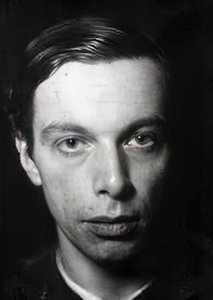
1880 - 1938 , Tyskland

Utforsk de 10 mest ikoniske portrettmaleriene gjennom historien! Fra Mona Lisa til Klimts Adele Bloch-Bauer, lær om kunstnerne og teknikkene bak disse mesterverkene. Finn museumskvalitets reproduksjoner & interiørinspirasjon på Most-Famous-Paintings.com.
Utforsk Egon Schieles 25 mest ikoniske malerier! Oppdag ekspresjonismens sjel gjennom portretter, selvportrett og kraftfulle farger. Finn museumskvalitets reproduksjoner og interiørinspirasjon på Most-Famous-Paintings.no – din kilde til tidløs kunst.
Utforsk 10 ikoniske malerier dominert av varmt okergult! Fra Van Gogh til Monet – lær historien bak mesterverkene og finn inspirasjon for ditt hjem. Museumskvalitet kunsttrykk på Most-Famous-Paintings.com. Oppdag hele samlingen online!

Oppdag Claude Monets 25 mest ikoniske malerier! Fordyp deg i impressionismens verden, fra vannliljer til soleiloppgang. Historien bak kunsten & eksklusive reproduksjoner på Most-Famous-Paintings.no – for et kunstfullt hjem.
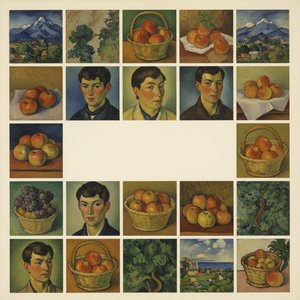
Utforsk Paul Cézannes 25 mest ikoniske malerier! Oppdag historien bak impresjonismens mesterverk, fra stilleben til landskap. Finn kunsttrykk av høy kvalitet og interiørinspirasjon på Most-Famous-Paintings.com.


Hold deg oppdatert med de siste kunstnyhetene, eksklusive tilbud og dekorasjonsideer.
Fortell oss om prosjektet ditt, så vil våre kunsteksperter gi deg 3 personlige kunstforslag.
Vi velger ut 3 alternativer kun for deg – helt gratis!


 Del med andre


 Vis hele teksten







 Glassalternativet er kun tilgjengelig i størrelser under 110 cm