x

Håndmalt olje på lerret i din valgte størrelse og ramme, laget på bestilling av våre kunstnere. ( Kjøp trykk Kjøp bilde)





























Velg mellom våre forhåndsdefinerte størrelser som bevarer kunstverkets opprinnelige proporsjoner.

Du kan angi egne mål for å tilpasse en spesifikk ramme eller plass. Dersom den valgte størrelsen ikke samsvarer med originalbildets proporsjoner, vil vi enten beskjære kunstverket eller utvide maleriet med ytterligere håndmalte elementer. En digital mockup vil bli sendt til din godkjenning før produksjonen starter.
Vennligst merk at forhåndsvisningen på skjermen ikke gjenspeiler den faktiske beskjæringen eller utvidelsen. Kun mockuppen vil vise den endelige komposisjonen nøyaktig.
Selv om tilpassede størrelser er tilgjengelige, anbefaler vi å velge et mål fra den forhåndsdefinerte listen for å bevare de originale proporsjonene.
Verdensomspennende levering () på 3–4 uker i stedet for standard 5 uker. (15 August). Ingen kompromisser med kvaliteten.


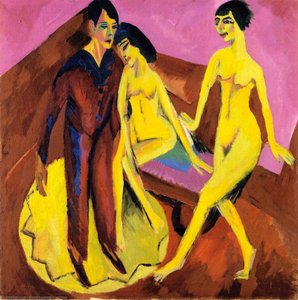
Emotion (study)
Størrelse på reproduksjon
“Emotion (Study)” by Ferdinand Hodler is a captivating artwork that exemplifies the artist's mastery of capturing human emotion within a natural setting. Created in 1902, this oil painting showcases Hodler’s signature style and embodies the essence of Art Nouveau with its flowing lines and organic forms.
Ferdinand Hodler (1853-1918) was a Swiss painter renowned for his ability to portray everyday people in harmonious connection with nature. He sought to express the underlying rhythms of life, believing that parallel lines could represent both natural forms and human relationships. Hodler’s work often explored themes of solitude, community, and the cyclical nature of existence. “Emotion (Study)” is a prime example of his exploration of interpersonal dynamics and emotional states.
The painting depicts two women standing close together in a field, their postures conveying a sense of shared emotion. One woman clasps her hands together, suggesting introspection or anxiety, while the other holds her hands up to her face, perhaps expressing concern or empathy. Hodler’s use of color is striking; the green and blue dresses of the women complement the natural surroundings, creating a harmonious visual experience. The background features a grassy area that adds depth to the composition. Hodler's technique involves loose brushstrokes and a flattened perspective, characteristic of Post-Impressionism. This approach lends the painting a dreamlike quality, emphasizing the emotional rather than the purely representational aspects of the scene.
While seemingly simple in its depiction, “Emotion (Study)” is rich with symbolic meaning. The women's gestures suggest a complex interplay of emotions – perhaps worry, support, or shared vulnerability. The natural setting reinforces the idea of human connection within the larger world. Hodler’s use of parallel lines, a recurring motif in his work, can be interpreted as representing the interconnectedness of these two figures and their emotional bond. The painting evokes a sense of quiet contemplation and invites viewers to reflect on the nuances of human relationships and the power of unspoken emotions.
Hodler’s artistic legacy extends beyond “Emotion (Study).” Other notable works include "Rosebush in a Meadow" and "Little Girl Picking Flowers," both demonstrating his skill in capturing the beauty of nature and the human experience. “Emotion (Study)” is housed at the Villa Flora in Switzerland, a museum dedicated to Art Nouveau pieces. Today, handmade oil painting reproductions of “Emotion (Study)” are available, allowing art enthusiasts to appreciate Hodler’s profound exploration of emotion and connection.


1853 - 1918 , Sveits

Explore the profound history and technical brilliance of oil on panel painting. From Renaissance masters to modern techniques, discover why this rigid support offers unparalleled precision and permanence for fine art lovers and collectors.


Hold deg oppdatert med de siste kunstnyhetene, eksklusive tilbud og dekorasjonsideer.
Fortell oss om prosjektet ditt, så vil våre kunsteksperter gi deg 3 personlige kunstforslag.
Vi velger ut 3 alternativer kun for deg – helt gratis!


 Forhåndsvisning
 Send
Send Del med andre
 Vis detaljer

 Last ned bildet
 Liknende objekter
 Røntgenundersøkelse
 Lysbildefremvisning

 Vis hele teksten







 Glassalternativet er kun tilgjengelig i størrelser under 110 cm