


x


 Preview
 Bestill maleri Kjøp digitalt bilde
 Send
Send
 Vis detaljer
 Legg til i favoritter
 Last ned bildet
 Liknende objekter
 Røntgenundersøkelse
 Lysbildefremvisning
Giclée- eller lerretsprint av museumskvalitet med rask produksjon og fleksible valgmuligheter for etterbehandling.





























Velg mellom våre forhåndsdefinerte størrelser som bevarer kunstverkets opprinnelige proporsjoner.

Du kan oppgi egne mål for å tilpasse en spesifikk ramme eller et bestemt område. Dersom den valgte størrelsen ikke samsvarer med det originale bildets proporsjoner, vil vi enten beskjære kunstverket eller utvide bildet med en speilet eller ensfarget kant. En digital mockup vil bli sendt til din godkjenning før produksjonen starter.
Vennligst merk at forhåndsvisningen på skjermen ikke gjenspeiler den faktiske beskjæringen eller utvidelsen. Kun mockuppen vil vise den endelige komposisjonen nøyaktig.
Selv om tilpassede størrelser er tilgjengelige, anbefaler vi å velge et mål fra den forhåndsdefinerte listen for å bevare de originale proporsjonene.
Verdensomspennende levering () på 2 uker i stedet for standard 4/5 uker. (27 July)


The Balcony
Størrelse på reproduksjon
Fernand Léger's "The Balcony," painted in 1914, offers a captivating glimpse into the burgeoning artistic landscape of early 20th-century France. This seemingly simple depiction – a group of figures gathered on a balcony – is far more than just a snapshot of a domestic scene; it’s a carefully constructed meditation on modernity, industrialization, and the human condition within a rapidly changing world. Léger, born Joseph Fernand Henri Léger in 1881 in Argentan, Normandy, was a pivotal figure who bridged the gap between traditional representation and the radical experimentation that would define modern art. His upbringing amidst the rural rhythms of Normandy – observing the physicality of labor and the enduring forms of nature – profoundly shaped his artistic sensibility, informing his later embrace of geometric abstraction and his fascination with the mechanical.
“The Balcony” exemplifies Léger’s signature “Tubism,” a style he developed in collaboration with Pablo Picasso. This approach, born from his observations of moving vehicles and industrial machinery, sought to capture the essence of these forms through fragmented geometric shapes. Unlike purely abstract art, Léger retained recognizable human figures, albeit heavily stylized and reduced to their fundamental components. The painting’s surface is characterized by a bold, almost brutalist application of paint – thick impasto strokes create a tactile quality that emphasizes the materiality of the objects and figures. This technique contributes significantly to the work's powerful sense of dynamism and its rejection of traditional illusionistic representation.
Technique Highlights:Painted in 1914, just before the outbreak of World War I, “The Balcony” reflects a period of profound social and technological upheaval. Léger was deeply concerned with the impact of industrialization on human life, anticipating the dehumanizing effects of mass production and the erosion of traditional values. The figures in the painting can be interpreted as representing humanity’s struggle to adapt to this new reality – their unified posture suggesting a shared experience of uncertainty and transformation. The clocks, symbols of time's relentless progression, underscore the anxieties surrounding modernity and the loss of control over one's own life. This work is a crucial piece in understanding Léger’s broader artistic project: a bold attempt to translate the language of the machine into a new visual vocabulary for the 20th century.
"The Balcony" transcends its historical context to offer a powerful meditation on human connection, time, and the forces shaping our world. Léger’s masterful use of form, color, and texture creates an image that is both visually arresting and emotionally resonant. This hand-painted reproduction captures the essence of Léger's artistic vision with exceptional fidelity, offering art lovers, collectors, and interior designers alike a unique opportunity to experience the power and beauty of this seminal work. Its bold geometric forms and evocative symbolism make it a compelling addition to any collection or a striking focal point within an interior space.

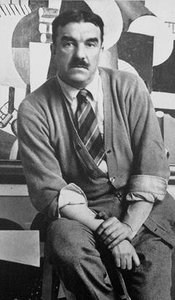
1881 - 1955 , Frankrike
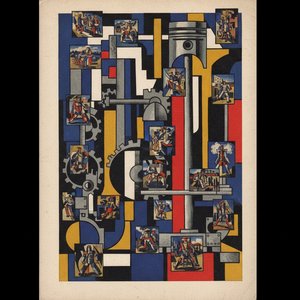
Utforsk Fernand Légers 25 mest ikoniske kunstverk! Oppdag kubismens mester, hans revolusjonerende stil og fargerike hyllest til maskinalderen. Finn inspirasjon til interiørdesign og kjøp eksklusive reproduksjoner på Most-Famous-Paintings.com.

Oppdag de 25 mest ikoniske kunstverkene fra Metropolitan Museum of Art i New York! Lær historien bak Rembrandt, Van Gogh, Monet og mer. Finn inspirasjon til interiøret ditt med museumskvalitets reproduksjoner på Most-Famous-Paintings.com.
Opplev MOMA's 25 mest ikoniske kunstverk! Fra Van Goghs Starry Night til Warhols Campbell Soup Cans – lær historien bak mesterklassikerne. Finn inspirasjon og museumskvalitets reproduksjoner på Most-Famous-Paintings.no. Utforsk samlingen online!
Explore 10 defining masterpieces of early modern art – from Picasso & Matisse to Dalí! Discover the stories behind iconic paintings, movements like Cubism & Surrealism. Find museum-quality art reproductions for your home at Most-Famous-Paintings.com.
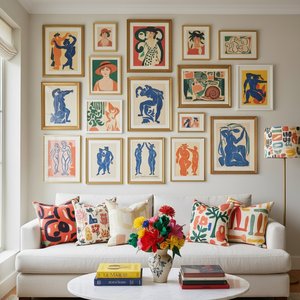
Utforsk 25 ikoniske malerier av Henri Matisse! Oppdag historien bak fauvismens fargerike mesterverk, fra 'The Dance' til 'Red Studio'. Finn kunsttrykk og reproduksjoner i museumskvalitet for din interiørdesign på Most-Famous-Paintings.com.


Hold deg oppdatert med de siste kunstnyhetene, eksklusive tilbud og dekorasjonsideer.
Fortell oss om prosjektet ditt, så vil våre kunsteksperter gi deg 3 personlige kunstforslag.
Vi velger ut 3 alternativer kun for deg – helt gratis!


 Del med andre


 Vis hele teksten







 Glassalternativet er kun tilgjengelig i størrelser under 110 cm


