


x


 Preview
 Bestill trykk Bestill maleri
 Send
Send
 Vis detaljer
 Legg til i favoritter
 Last ned bildet
 Liknende objekter
 Røntgenundersøkelse
 Lysbildefremvisning
Kjøp et høyoppløselig, forbedret digitalt bilde som er langt bedre enn forhåndsvisningen på nettet.
Hver fil er omhyggelig klargjort av våre egne spesialister ved hjelp av avanserte verktøy og profesjonell manuell retusjering. Vi sørger for at hvert bilde har eksepsjonell klarhet, presis fargegjengivelse og fine detaljer.
Den endelige filen leveres via e-post innen 72 timer, optimalisert for umiddelbar bruk i profesjonelle, redaksjonelle og trykte miljøer. Dette er den samme kvaliteten som benyttes av ledende designstudioer, utgivere og gallerier.
Last ned en høyoppløselig fil for personlig bruk, utskrift og kreative prosjekter.
Når du velger Most-Famous-Paintings.com, får du ikke bare et bilde – du mottar et profesjonelt forbedret digitalt kunstverk, skapt med presisjon og med en garantert tilfredshetsgaranti. Her er alt som automatisk følger med din bestilling:

Din høyoppløselige digitale bildefil sendes til din e-post innen 72 timer etter bestilling – klar til umiddelbar bruk.

Ditt kunstverk blir profesjonelt optimalisert ved hjelp av avanserte AI-verktøy og manuell redigering, noe som sikrer maksimal detaljrikdom, klarhet og fargegjengivelse.

Har du ved et uhell slettet eller mistet filen din? Ingen bekymring – vi sender den på nytt når som helst, helt gratis.

Nyt ditt kunstverk umiddelbart uten toll, avgifter eller leveringskostnader – digitale nedlastinger er alltid avgiftsfrie.

Vi sikrer at ditt digitale bilde gjenspeiler de originale fargene så nøyaktig som mulig ved hjelp av profesjonelle verktøy og fargehåndtering.

Hvis du ikke er fornøyd med ditt digitale bilde, vil vi revidere det eller refundere 100% innen 60 dager – uten spørsmål.

Ikke fornøyd? Få full refusjon innen 60 dager etter at du har mottatt din digitale fil – uten spørsmål.

Kjøp 3 bilder, spar 10% - Kjøp 5, spar 15% - Kjøp 10+, spar 20%. Ideelt for kreative prosjekter, gallerier og byråer.
Fernand Léger’s “The Black Tree,” painted in 1937, is more than just a depiction of a tree; it's a powerful embodiment of the anxieties and aspirations surrounding modernity. Emerging from the fertile landscapes of Normandy – specifically Argentan, where he was born in 1881 – Léger channeled his formative experiences with rural labor into a revolutionary artistic language. This work, characteristic of his mature style, reflects his fascination with the machine age, translating its geometric precision and dynamic energy into a vibrant, almost unsettling, visual vocabulary. The painting’s stark contrast between the dark, monolithic trunk and the explosion of color in its branches immediately draws the viewer into a world where nature and industry collide.
Created during a pivotal moment in art history – a period heavily influenced by Cubism – “The Black Tree” exemplifies Léger’s unique approach. While many artists were exploring purely abstract forms, Léger sought to integrate recognizable elements from the modern world, particularly the industrial landscape, into his compositions. The fractured planes and angular shapes within the tree's structure are undeniably reminiscent of Cubist principles, yet they aren’t merely stylistic choices; they represent a deliberate attempt to capture the essence of mechanized movement and form. Léger wasn't rejecting representation entirely, but rather reinterpreting it through the lens of his time – a world increasingly dominated by factories, trains, and the relentless march of progress.
The bold use of color in “The Black Tree” is crucial to understanding its emotional impact. The dominant black trunk, a grounding element, provides a stark counterpoint to the riotous hues of the branches – fiery reds, vibrant yellows, and verdant greens. These colors aren’t simply decorative; they evoke a sense of energy, dynamism, and perhaps even unease. Léger deliberately employed these intense tones to convey the overwhelming force of industrialization, suggesting both its beauty and its potential for disruption. The inclusion of white flowers adds a subtle layer of fragility and hope amidst this otherwise forceful composition.
The title itself, “The Black Tree,” is laden with symbolic weight. Trees have long represented life, growth, and connection to the earth – concepts that were increasingly challenged by the rapid urbanization and industrialization of the early 20th century. The "black" element could signify decay, darkness, or even the shadow cast by technological advancement. Léger’s work, therefore, can be interpreted as a meditation on humanity's relationship with nature in an age of unprecedented change. As one of the most significant figures of the Machine Age aesthetic, Léger’s influence continues to resonate within contemporary art and design. A museum-quality reproduction of “The Black Tree” offers a captivating glimpse into this visionary artist’s world – a world where form and function are inextricably linked, and where the beauty of industry is celebrated with unapologetic intensity.
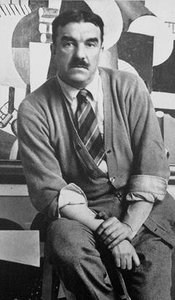
1881 - 1955 , Frankrike


Hold deg oppdatert med de siste kunstnyhetene, eksklusive tilbud og dekorasjonsideer.
Fortell oss om prosjektet ditt, så vil våre kunsteksperter gi deg 3 personlige kunstforslag.
Vi velger ut 3 alternativer kun for deg – helt gratis!


 Del med andre


 Vis hele teksten


