x

Giclée- eller lerretsprint av museumskvalitet med rask produksjon og fleksible valgmuligheter for etterbehandling. ( Kjøp håndlaget maleri Kjøp bilde)





























Velg mellom våre forhåndsdefinerte størrelser som bevarer kunstverkets opprinnelige proporsjoner.

Du kan oppgi egne mål for å tilpasse en spesifikk ramme eller et bestemt område. Dersom den valgte størrelsen ikke samsvarer med det originale bildets proporsjoner, vil vi enten beskjære kunstverket eller utvide bildet med en speilet eller ensfarget kant. En digital mockup vil bli sendt til din godkjenning før produksjonen starter.
Vennligst merk at forhåndsvisningen på skjermen ikke gjenspeiler den faktiske beskjæringen eller utvidelsen. Kun mockuppen vil vise den endelige komposisjonen nøyaktig.
Selv om tilpassede størrelser er tilgjengelige, anbefaler vi å velge et mål fra den forhåndsdefinerte listen for å bevare de originale proporsjonene.
Verdensomspennende levering () på 2 uker i stedet for standard 4/5 uker. (16 August)


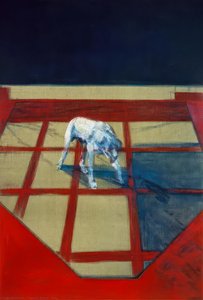
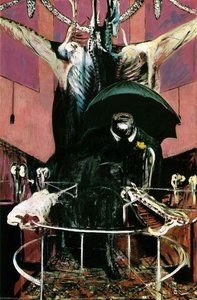
head vi, 1949
Størrelse på reproduksjon
Francis Bacon's 'Head VI,' painted in 1949, isn’t merely a depiction of a man; it’s an unflinching confrontation with the abyss of human experience. This unsettling masterpiece encapsulates the anxieties and traumas that gripped Europe following World War II, reflecting a broader preoccupation with mortality and psychological disintegration – themes central to Bacon's entire oeuvre. The painting immediately grabs the viewer’s attention with its visceral immediacy, presenting a distorted visage of anguish rendered in Bacon’s signature style.
Style and Technique: Surreal Horror Embodied
Bacon’s technique is characterized by a deliberate rejection of traditional representation. He eschewed meticulous detail, opting instead for expressive brushstrokes that convey emotion rather than observation. The canvas is dominated by a sickly yellow hue, mirroring the psychological state of the subject – a man whose mouth hangs open in a silent scream, conveying terror and despair with devastating accuracy. Bacon employed a method he termed “squeeze technique,” applying paint thickly onto the canvas with his hands or palette knife, creating textured surfaces that pulsate with unsettling energy. This physicality is crucial to capturing the emotional core of the artwork; it’s as if the painting itself embodies the torment within. The figure's pose—hunched over, almost collapsing—further emphasizes vulnerability and reinforces the sense of impending doom.
Historical Context: Echoes of Trauma
The painting emerged from a period profoundly scarred by wartime devastation. Bacon was deeply affected by the horrors he witnessed during the war years, particularly the bombing raids on London. This experience fueled his artistic exploration of psychological distress and existential dread—concepts powerfully articulated in ‘Head VI.’ The influence of Surrealism is palpable, albeit subtly integrated into Bacon’s approach. Like artists of the movement, Bacon deliberately disrupts conventional visual logic, creating images that unsettle and provoke contemplation about the darker aspects of human consciousness. The scream itself harkens back to silent film melodrama, a genre known for its dramatic expressions of emotion—a deliberate allusion to the anxieties of the time.
Symbolism: The Scream as Universal Expression
The open mouth is arguably the painting’s most potent symbol – representing not just vocal utterance but also repressed emotion and primal terror. It speaks to the fundamental human condition, capturing the inescapable awareness of mortality and suffering. Bacon frequently utilized grotesque imagery to confront uncomfortable truths about humanity, and ‘Head VI’ exemplifies this commitment to psychological realism. The yellow background serves as a visual metaphor for decay and illness—reflecting both physical vulnerability and mental deterioration. Furthermore, it contributes to the overall atmosphere of unease and disorientation.
Emotional Impact: A Window into Inner Turmoil
‘Head VI’ remains profoundly disturbing precisely because it succeeds in conveying an experience that transcends mere visual representation. It compels viewers to confront their own anxieties about existence and to grapple with the inevitability of pain and loss. Bacon's aim wasn’t to depict beauty or harmony; he sought to expose the grotesque realities hidden beneath the surface of everyday life—a courageous undertaking that cemented his place as one of the most influential artists of the 20th century. Its enduring power lies in its ability to resonate with audiences across generations, reminding us of the inescapable darkness within ourselves and the profound vulnerability inherent in being human.

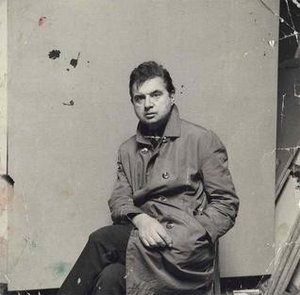
1909 - 1992 , Irland
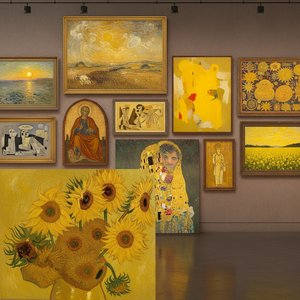
Oppdag topp 10 malerier dominert av kromgul! Fra Van Goghs solsikker til Monets stråfelt – utforsk historien, teknikken og skjønnheten bak ikoniske kunstverk. Finn museumskvalitets reproduksjoner & interiørinspirasjon på Most-Famous-Paintings.com.
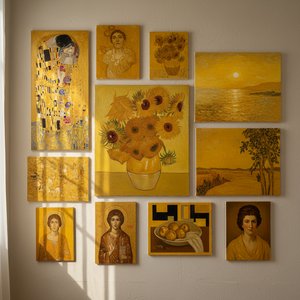
Utforsk 10 ikoniske malerier dominert av varmt okergult! Fra Van Gogh til Monet – lær historien bak mesterverkene og finn inspirasjon for ditt hjem. Museumskvalitet kunsttrykk på Most-Famous-Paintings.com. Oppdag hele samlingen online!

Explore the rich symbolism & emotional power of yellow in art history! From Van Gogh to Kandinsky, discover how artists used this vibrant hue. Expert analysis & high-quality reproductions at Most-Famous-Paintings.

Utforsk Francis Bacons 25 mest ikoniske malerier! Oppdag historiene bak ekspresjonistiske mesterverk, fra 'Scream' til 'Pope Innocent X'. Finn kunsttrykk og lerretstrykk av høy kvalitet for ditt hjem på Most-Famous-Paintings.com – museumskvalitet & inspirasjon.
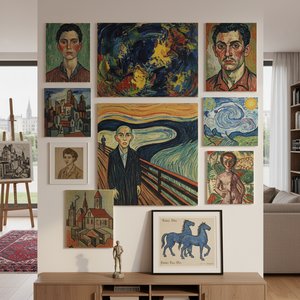
Utforsk de 10 mest ikoniske ekspresjonistiske mesterverkene! Oppdag historien bak Munch, Kirchner, Kandinsky og andre. Finn inspirasjon til din interiørkunst og kjøp museumskvalitets reproduksjoner på Most-Famous-Paintings.no – der kunsten lever videre.


Hold deg oppdatert med de siste kunstnyhetene, eksklusive tilbud og dekorasjonsideer.
Fortell oss om prosjektet ditt, så vil våre kunsteksperter gi deg 3 personlige kunstforslag.
Vi velger ut 3 alternativer kun for deg – helt gratis!


 Forhåndsvisning
 Send
Send Del med andre
 Vis detaljer

 Last ned bildet
 Liknende objekter
 Røntgenundersøkelse
 Lysbildefremvisning

 Vis hele teksten







 Glassalternativet er kun tilgjengelig i størrelser under 110 cm