


x

 Oil On CanvasWallArtExpressionism
 1973Modern
 198.0 x 148.0 cm
Kjøp et høyoppløselig, forbedret digitalt bilde som er langt bedre enn forhåndsvisningen på nettet.
Hver fil er omhyggelig klargjort av våre egne spesialister ved hjelp av avanserte verktøy og profesjonell manuell retusjering. Vi sørger for at hvert bilde har eksepsjonell klarhet, presis fargegjengivelse og fine detaljer.
Den endelige filen leveres via e-post innen 72 timer, optimalisert for umiddelbar bruk i profesjonelle, redaksjonelle og trykte miljøer. Dette er den samme kvaliteten som benyttes av ledende designstudioer, utgivere og gallerier.
Last ned en høyoppløselig fil for personlig bruk, utskrift og kreative prosjekter. ( Kjøp trykk Kjøp håndlaget maleri)
Når du velger Most-Famous-Paintings.com, får du ikke bare et bilde – du mottar et profesjonelt forbedret digitalt kunstverk, skapt med presisjon og med en garantert tilfredshetsgaranti. Her er alt som automatisk følger med din bestilling:

Din høyoppløselige digitale bildefil sendes til din e-post innen 72 timer etter bestilling – klar til umiddelbar bruk.

Ditt kunstverk blir profesjonelt optimalisert ved hjelp av avanserte AI-verktøy og manuell redigering, noe som sikrer maksimal detaljrikdom, klarhet og fargegjengivelse.

Har du ved et uhell slettet eller mistet filen din? Ingen bekymring – vi sender den på nytt når som helst, helt gratis.

Nyt ditt kunstverk umiddelbart uten toll, avgifter eller leveringskostnader – digitale nedlastinger er alltid avgiftsfrie.

Vi sikrer at ditt digitale bilde gjenspeiler de originale fargene så nøyaktig som mulig ved hjelp av profesjonelle verktøy og fargehåndtering.

Hvis du ikke er fornøyd med ditt digitale bilde, vil vi revidere det eller refundere 100% innen 60 dager – uten spørsmål.

Ikke fornøyd? Få full refusjon innen 60 dager etter at du har mottatt din digitale fil – uten spørsmål.

Kjøp 3 bilder, spar 10% - Kjøp 5, spar 15% - Kjøp 10+, spar 20%. Ideelt for kreative prosjekter, gallerier og byråer.
To encounter Francis Bacon’s Self-Portrait, painted in 1973, is to step into a profound confrontation with the self. This is not a mere likeness, but a haunting testament to the artist’s lifelong preoccupation with psychological torment and the fragmented nature of identity. Created during a period of intense personal upheaval—marked by the shadows of a difficult divorce and the heavy weight of recurring depression—the painting transcends traditional portraiture. It delves into the very core of human experience, presenting a figure that embodies both extreme vulnerability and a quiet, stubborn defiance. The subject, captured in a moment of deep introspection, sits before a sink with his head resting heavily upon a table, a posture that suggests an exhaustion far deeper than mere physical fatigue.
The atmosphere of the work is one of heavy, quiet reflection, where the boundaries between the internal mind and the external world begin to blur. Through the presence of everyday objects—a clock hanging on the wall, the formal touch of a necktie, and the stark geometry of chairs—Bacon grounds this existential crisis in a tangible, domestic reality. This juxtaposition of the mundane with the deeply unsettling creates a tension that is characteristic of his most powerful works, making it an irresistible piece for collectors who seek art that provative, intellectual, and emotionally resonant.
Bacon’s mastery lies in his rejection of academic perfection in favor of visceral honesty. As a cornerstone of the Expressionist movement, he eschewed meticulous detail to prioritize raw, unadulterated emotion. His technique is a sophisticated dance of textures; he employed a distinctive layering process, applying thin, translucent washes of paint that are suddenly interrupted by thick, aggressive impasto strokes. These heavier applications are strategically placed around the eyes and mouth, creating a pulsating, energetic surface that mimics the flickering instability of human thought. This method allows the canvas to breathe with a palpable physicality, as if the paint itself is struggling to contain the subject's inner turmoil.
The historical context of this piece adds a layer of profound cultural significance. Painted in the wake of the mid-20th century’s global anxieties, the work reflects a broader societal struggle with identity and trauma. Drawing inspiration from the distorted realities of Surrealism and the deep explorations of psychoanalytic theory, Bacon uses the canvas to map the subconscious. For the interior designer or art enthusiast, this painting offers more than just visual interest; it provides a window into the post-war condition, making it a sophisticated centerpiece for any collection focused on modern history and the evolution of human psychology.
Every element within the frame serves a symbolic purpose, contributing to the painting's overwhelming emotional impact. The artist’s gaze is deliberately unsettling, conveying a sense of detachment that forces the viewer into an uncomfortable intimacy with the subject. While the slumped posture may initially suggest despair, there is an underlying resilience in the way the figure occupies the space—a refusal to succumb entirely to the darkness. The prominent, striking eyes act as anchors of awareness, confronting the observer with an unflinching portrayal of inner suffering and the inescapable solitude of existence.
For those looking to integrate a high-quality reproduction into a curated space, this artwork offers a unique opportunity to introduce depth and narrative complexity. It is a piece that demands attention and lingers in the mind long after one has looked away. Whether placed in a quiet study or a bold contemporary gallery, Bacon’s Self-Portrait serves as a powerful reminder of our shared capacity for both fragility and strength, making it an enduring icon of 20th-century art.

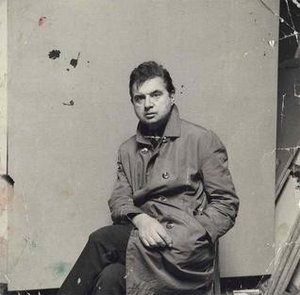
1909 - 1992 , Irland


Hold deg oppdatert med de siste kunstnyhetene, eksklusive tilbud og dekorasjonsideer.
Fortell oss om prosjektet ditt, så vil våre kunsteksperter gi deg 3 personlige kunstforslag.
Vi velger ut 3 alternativer kun for deg – helt gratis!


 Forhåndsvisning
 Send
Send Del med andre
 Vis detaljer

 Last ned bildet
 Liknende objekter
 Røntgenundersøkelse
 Lysbildefremvisning
 Vis hele teksten


