x

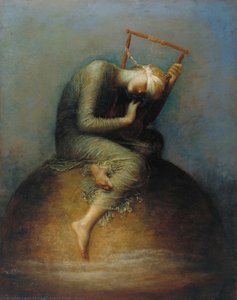
 Oil On CanvasWallArtSymbolism
 187719th Century
 117.0 x 93.0 cm
 Tate Britain
Kjøp et høyoppløselig, forbedret digitalt bilde som er langt bedre enn forhåndsvisningen på nettet.
Hver fil er omhyggelig klargjort av våre egne spesialister ved hjelp av avanserte verktøy og profesjonell manuell retusjering. Vi sørger for at hvert bilde har eksepsjonell klarhet, presis fargegjengivelse og fine detaljer.
Den endelige filen leveres via e-post innen 72 timer, optimalisert for umiddelbar bruk i profesjonelle, redaksjonelle og trykte miljøer. Dette er den samme kvaliteten som benyttes av ledende designstudioer, utgivere og gallerier.
Last ned en høyoppløselig fil for personlig bruk, utskrift og kreative prosjekter. ( Kjøp trykk Kjøp håndlaget maleri)
Når du velger Most-Famous-Paintings.com, får du ikke bare et bilde – du mottar et profesjonelt forbedret digitalt kunstverk, skapt med presisjon og med en garantert tilfredshetsgaranti. Her er alt som automatisk følger med din bestilling:

Din høyoppløselige digitale bildefil sendes til din e-post innen 72 timer etter bestilling – klar til umiddelbar bruk.

Ditt kunstverk blir profesjonelt optimalisert ved hjelp av avanserte AI-verktøy og manuell redigering, noe som sikrer maksimal detaljrikdom, klarhet og fargegjengivelse.

Har du ved et uhell slettet eller mistet filen din? Ingen bekymring – vi sender den på nytt når som helst, helt gratis.

Nyt ditt kunstverk umiddelbart uten toll, avgifter eller leveringskostnader – digitale nedlastinger er alltid avgiftsfrie.

Vi sikrer at ditt digitale bilde gjenspeiler de originale fargene så nøyaktig som mulig ved hjelp av profesjonelle verktøy og fargehåndtering.

Hvis du ikke er fornøyd med ditt digitale bilde, vil vi revidere det eller refundere 100% innen 60 dager – uten spørsmål.

Ikke fornøyd? Få full refusjon innen 60 dager etter at du har mottatt din digitale fil – uten spørsmål.

Kjøp 3 bilder, spar 10% - Kjøp 5, spar 15% - Kjøp 10+, spar 20%. Ideelt for kreative prosjekter, gallerier og byråer.
George Frederic Watts’ “The Minotaur,” painted in 1885, is not merely a depiction of a monstrous figure from Greek mythology; it's a profound meditation on isolation, guilt, and the enduring power of primal narratives. This oil-on-panel masterpiece transcends simple illustration, offering a glimpse into the tormented psyche of a creature trapped within his own legend. Watts, a key figure in the Symbolist movement, masterfully employs color, composition, and texture to evoke a sense of brooding intensity—a palpable feeling of loneliness emanating from the Minotaur’s gaze.
Watts’ painting emerged during a period of intense social reform in Britain, fueled largely by the investigative journalism of W. T. Stead. Stead's harrowing exposé of child prostitution—detailed in his series “The Maiden Tribute of Modern Babylon”—brought the plight of vulnerable young women to public attention and galvanized calls for legislative change. Watts, deeply moved by this exposure, channeled his concern into "The Minotaur," using the myth as a potent allegory for the horrors of exploitation and the consequences of unchecked violence. The image isn’t simply a retelling of the myth; it's a direct response to a contemporary social crisis.
The painting itself is often interpreted as a commentary on the cyclical nature of violence, mirroring the Athenian practice of sending young men and women as sacrifices to the Minotaur. Watts deliberately obscures the Minotaur’s face, presenting him in profile—a “profil perdu”—which heightens his sense of mystery and vulnerability. This deliberate ambiguity forces the viewer to confront the creature's inherent sadness and isolation rather than simply viewing him as a terrifying monster.
Watts’ artistic style is immediately recognizable—a blend of realism and symbolic representation, heavily influenced by his studies in Italy. He utilizes rich, earthy tones – deep browns, ochres, and muted blues – to create a sense of age and solidity for the Minotaur's form. The rocky surface beneath him, rendered with thick impasto brushstrokes, adds texture and weight, grounding the figure within a desolate landscape. The turbulent sea and dramatic sky contribute to the painting’s overall atmosphere of foreboding and despair.
Notice the subtle details: the crushed bird clutched in the Minotaur's hand—a poignant symbol of innocence lost; the distant ship, representing the doomed sacrifices; and the creature’s downward gaze, suggesting a profound sense of regret. The composition itself is carefully constructed to emphasize the Minotaur’s isolation and vulnerability, drawing the viewer into his internal struggle.
“The Minotaur” remains a powerfully evocative work of art, continuing to resonate with audiences today. Its exploration of themes such as guilt, violence, and isolation transcends its mythological origins, offering a timeless commentary on the darker aspects of human nature. High-quality reproductions of Watts’ masterpiece are now available through Most-Famous-Paintings, allowing collectors and art enthusiasts alike to experience the beauty and emotional depth of this iconic painting firsthand. Whether displayed in a grand salon or a more intimate setting, “The Minotaur” serves as a reminder of the enduring power of myth and the importance of confronting uncomfortable truths.


1817 - 1904 , Storbritannia


Hold deg oppdatert med de siste kunstnyhetene, eksklusive tilbud og dekorasjonsideer.
Fortell oss om prosjektet ditt, så vil våre kunsteksperter gi deg 3 personlige kunstforslag.
Vi velger ut 3 alternativer kun for deg – helt gratis!


 Forhåndsvisning
 Send
Send Del med andre
 Vis detaljer

 Last ned bildet
 Liknende objekter
 Røntgenundersøkelse
 Lysbildefremvisning
 Vis hele teksten