x

 Oil On CanvasWallArtNorthern Renaissance
 1515Renaissance
 141.0 x 100.0 cm
 Staatliche Museen zu Berlin
Kjøp et høyoppløselig, forbedret digitalt bilde som er langt bedre enn forhåndsvisningen på nettet.
Hver fil er omhyggelig klargjort av våre egne spesialister ved hjelp av avanserte verktøy og profesjonell manuell retusjering. Vi sørger for at hvert bilde har eksepsjonell klarhet, presis fargegjengivelse og fine detaljer.
Den endelige filen leveres via e-post innen 72 timer, optimalisert for umiddelbar bruk i profesjonelle, redaksjonelle og trykte miljøer. Dette er den samme kvaliteten som benyttes av ledende designstudioer, utgivere og gallerier.
Last ned en høyoppløselig fil for personlig bruk, utskrift og kreative prosjekter. ( Kjøp trykk Kjøp håndlaget maleri)
Når du velger Most-Famous-Paintings.com, får du ikke bare et bilde – du mottar et profesjonelt forbedret digitalt kunstverk, skapt med presisjon og med en garantert tilfredshetsgaranti. Her er alt som automatisk følger med din bestilling:

Din høyoppløselige digitale bildefil sendes til din e-post innen 72 timer etter bestilling – klar til umiddelbar bruk.

Ditt kunstverk blir profesjonelt optimalisert ved hjelp av avanserte AI-verktøy og manuell redigering, noe som sikrer maksimal detaljrikdom, klarhet og fargegjengivelse.

Har du ved et uhell slettet eller mistet filen din? Ingen bekymring – vi sender den på nytt når som helst, helt gratis.

Nyt ditt kunstverk umiddelbart uten toll, avgifter eller leveringskostnader – digitale nedlastinger er alltid avgiftsfrie.

Vi sikrer at ditt digitale bilde gjenspeiler de originale fargene så nøyaktig som mulig ved hjelp av profesjonelle verktøy og fargehåndtering.

Hvis du ikke er fornøyd med ditt digitale bilde, vil vi revidere det eller refundere 100% innen 60 dager – uten spørsmål.

Ikke fornøyd? Få full refusjon innen 60 dager etter at du har mottatt din digitale fil – uten spørsmål.

Kjøp 3 bilder, spar 10% - Kjøp 5, spar 15% - Kjøp 10+, spar 20%. Ideelt for kreative prosjekter, gallerier og byråer.
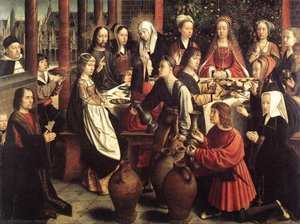
Gerard David's "Crucifixion," completed in 1515, is more than just a depiction of a biblical event; it’s an immersive experience of sorrow and spiritual contemplation. This oil on panel painting, measuring 141 x 100 cm, transcends the limitations of its time to offer a remarkably poignant portrayal of Christ's suffering, firmly rooted in the traditions of Northern Renaissance art. Housed within the Staatliche Museen in Berlin, this work immediately captivates with its masterful use of light and shadow – a technique known as chiaroscuro – that dramatically shapes the scene and evokes a powerful emotional response. David’s skill lies not just in his technical prowess but in his ability to imbue the figures with an almost palpable sense of grief and humanity, making this iconic image eternally relevant.
Created during a period of intense artistic innovation, “Crucifixion” exemplifies the hallmarks of Flemish painting. David’s meticulous attention to detail is immediately apparent in the rendering of each figure – from the delicate folds of the mourners' robes to the expressive anguish etched on Christ’s face. The figures are not idealized; they possess a startling realism that reflects the era’s fascination with observation and human anatomy. The composition itself, while classical in its arrangement—Jesus at the center surrounded by grieving figures—is infused with the Northern Renaissance preference for emotional intensity and psychological depth. This is further evidenced by the play of light and shadow, reminiscent of Jan Van Eyck's work, which creates a sense of volume and draws the viewer’s eye directly to the central figure.
The painting is rich with symbolic meaning, reflecting the profound religious beliefs of the time. The cross itself, naturally, represents Christ's sacrifice and redemption – a cornerstone of Christian theology. Beyond this core symbolism, David incorporates subtle visual cues that deepen the narrative. The women surrounding the cross are often interpreted as representing Mary Magdalene and other female followers, their grief mirroring the universal sorrow associated with loss and suffering. Even the landscape—rolling hills and a distant town—contributes to the overall mood, grounding the scene in a specific geographical context while simultaneously elevating it to a realm of spiritual significance. The use of light, particularly its directional quality, is not merely aesthetic; it’s seen as a symbol of divine enlightenment, echoing interpretations found in works like Alonso Cano's "Cristo en El Limbo."
Gerard David (1450-1523), born in Oudewater, Netherlands, was a pivotal figure in the development of Northern Renaissance art. His career spanned several decades and included leadership roles within workshops in Antwerp and Bruges – vibrant centers of artistic production during his time. Though his reputation waned somewhat in the 17th century, he was later rediscovered by 19th-century art historians who recognized his unique contribution to the movement. “Crucifixion” stands as a testament to David’s enduring legacy, showcasing not only his technical skill but also his profound understanding of human emotion and religious symbolism. It remains a powerful reminder of the timeless themes explored within this iconic work.


1450 - 1523 , Nederland


Hold deg oppdatert med de siste kunstnyhetene, eksklusive tilbud og dekorasjonsideer.
Fortell oss om prosjektet ditt, så vil våre kunsteksperter gi deg 3 personlige kunstforslag.
Vi velger ut 3 alternativer kun for deg – helt gratis!


 Forhåndsvisning
 Send
Send Del med andre
 Vis detaljer

 Last ned bildet
 Liknende objekter
 Røntgenundersøkelse
 Lysbildefremvisning
 Vis hele teksten