x

 Oil On CanvasWallArtContemporary Realism
 1973Contemporary
 90.0 x 65.0 cm
Kjøp et høyoppløselig, forbedret digitalt bilde som er langt bedre enn forhåndsvisningen på nettet.
Hver fil er omhyggelig klargjort av våre egne spesialister ved hjelp av avanserte verktøy og profesjonell manuell retusjering. Vi sørger for at hvert bilde har eksepsjonell klarhet, presis fargegjengivelse og fine detaljer.
Den endelige filen leveres via e-post innen 72 timer, optimalisert for umiddelbar bruk i profesjonelle, redaksjonelle og trykte miljøer. Dette er den samme kvaliteten som benyttes av ledende designstudioer, utgivere og gallerier.
Last ned en høyoppløselig fil for personlig bruk, utskrift og kreative prosjekter. ( Kjøp trykk Kjøp håndlaget maleri)
Når du velger Most-Famous-Paintings.com, får du ikke bare et bilde – du mottar et profesjonelt forbedret digitalt kunstverk, skapt med presisjon og med en garantert tilfredshetsgaranti. Her er alt som automatisk følger med din bestilling:

Din høyoppløselige digitale bildefil sendes til din e-post innen 72 timer etter bestilling – klar til umiddelbar bruk.

Ditt kunstverk blir profesjonelt optimalisert ved hjelp av avanserte AI-verktøy og manuell redigering, noe som sikrer maksimal detaljrikdom, klarhet og fargegjengivelse.

Har du ved et uhell slettet eller mistet filen din? Ingen bekymring – vi sender den på nytt når som helst, helt gratis.

Nyt ditt kunstverk umiddelbart uten toll, avgifter eller leveringskostnader – digitale nedlastinger er alltid avgiftsfrie.

Vi sikrer at ditt digitale bilde gjenspeiler de originale fargene så nøyaktig som mulig ved hjelp av profesjonelle verktøy og fargehåndtering.

Hvis du ikke er fornøyd med ditt digitale bilde, vil vi revidere det eller refundere 100% innen 60 dager – uten spørsmål.

Ikke fornøyd? Få full refusjon innen 60 dager etter at du har mottatt din digitale fil – uten spørsmål.

Kjøp 3 bilder, spar 10% - Kjøp 5, spar 15% - Kjøp 10+, spar 20%. Ideelt for kreative prosjekter, gallerier og byråer.
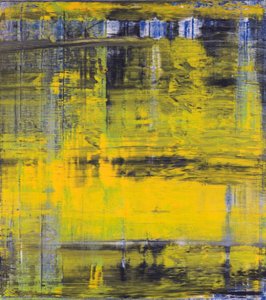
In the vast landscape of contemporary art, few works possess the quiet, arresting power of Gerhard Richter’s Grey (Bark). Created in 1973, this masterpiece invites the viewer into a profound dialogue with the surface itself. At first glance, the painting presents an expanse of monochromatic gray, yet a closer inspection reveals a world of subtle irregularities and meticulously crafted textures. These rhythmic bumps and undulations are not mere accidents of the brush; they are intentional evocations of natural bark, suggesting a weathered resilience that speaks to the endurance of the natural world. The work exists in that ethereal space between what is seen and what is felt, offering an experience that is as much about tactile sensation as it is about visual perception.
Richter’s signature brilliance lies in his ability to blur the boundaries between photorealism and abstraction. While the surface may initially resemble a monochromatic photograph, the painting deliberately avoids capturing a definitive, literal image. Instead, it prioritizes suggestion over representation, a technique that mirrors the artist's deeper philosophical inquiries into the reliability of human memory and sight. By blending these two seemingly opposing styles, Richter creates a sense of "uncertainty" that becomes the very soul of the piece. For the collector or interior designer, this ambiguity provides a sophisticated focal point—a work that changes character depending on the light, the angle of view, and the contemplative state of the observer.
The technical execution of Grey (Bark) is a testament to Richter’s mastery over oil paint. To achieve such a complex surface, the artist employed a sophisticated layering process, alternating between thin, translucent washes and thicker, more sculptural impasto. This meticulous buildup of pigment allows light to interact with the canvas in a way that creates depth within a seemingly flat color field. The result is a surface that feels alive, possessing a materiality that anchors the abstract concept in physical reality. It is this very tension—between the ethereal gray hue and the rugged, tactile texture—that gives the painting its enduring emotional weight.
To understand the gravity of this work, one must consider the historical moment of its creation. Emerging from the post-World War II era, Richter’s 1973 production was part of a broader movement toward conceptual art and abstraction that sought to navigate the anxieties of a fractured Germany. The neutral gray palette can be seen as a symbol of contemplation and a refusal to offer easy, propagandistic answers, reflecting a period of profound social and political questioning. In Grey (Bark), we find a beautiful synthesis of history and emotion: a piece that uses the motif of bark to symbolize transformation and connection, offering a sense of stability and organic strength amidst the complexities of the modern human experience.


1932 - , Tyskland


Hold deg oppdatert med de siste kunstnyhetene, eksklusive tilbud og dekorasjonsideer.
Fortell oss om prosjektet ditt, så vil våre kunsteksperter gi deg 3 personlige kunstforslag.
Vi velger ut 3 alternativer kun for deg – helt gratis!


 Forhåndsvisning
 Send
Send Del med andre
 Vis detaljer

 Last ned bildet
 Liknende objekter
 Røntgenundersøkelse
 Lysbildefremvisning
 Vis hele teksten