


x

 Acrylic On CanvasWallArtRenaissance Mannerism
 1570
1570 53.0 x 41.0 cm
 Nasjonalmuseet
Kjøp et høyoppløselig, forbedret digitalt bilde som er langt bedre enn forhåndsvisningen på nettet.
Hver fil er omhyggelig klargjort av våre egne spesialister ved hjelp av avanserte verktøy og profesjonell manuell retusjering. Vi sørger for at hvert bilde har eksepsjonell klarhet, presis fargegjengivelse og fine detaljer.
Den endelige filen leveres via e-post innen 72 timer, optimalisert for umiddelbar bruk i profesjonelle, redaksjonelle og trykte miljøer. Dette er den samme kvaliteten som benyttes av ledende designstudioer, utgivere og gallerier.
Last ned en høyoppløselig fil for personlig bruk, utskrift og kreative prosjekter. ( Kjøp trykk Kjøp håndlaget maleri)
Når du velger Most-Famous-Paintings.com, får du ikke bare et bilde – du mottar et profesjonelt forbedret digitalt kunstverk, skapt med presisjon og med en garantert tilfredshetsgaranti. Her er alt som automatisk følger med din bestilling:

Din høyoppløselige digitale bildefil sendes til din e-post innen 72 timer etter bestilling – klar til umiddelbar bruk.

Ditt kunstverk blir profesjonelt optimalisert ved hjelp av avanserte AI-verktøy og manuell redigering, noe som sikrer maksimal detaljrikdom, klarhet og fargegjengivelse.

Har du ved et uhell slettet eller mistet filen din? Ingen bekymring – vi sender den på nytt når som helst, helt gratis.

Nyt ditt kunstverk umiddelbart uten toll, avgifter eller leveringskostnader – digitale nedlastinger er alltid avgiftsfrie.

Vi sikrer at ditt digitale bilde gjenspeiler de originale fargene så nøyaktig som mulig ved hjelp av profesjonelle verktøy og fargehåndtering.

Hvis du ikke er fornøyd med ditt digitale bilde, vil vi revidere det eller refundere 100% innen 60 dager – uten spørsmål.

Ikke fornøyd? Få full refusjon innen 60 dager etter at du har mottatt din digitale fil – uten spørsmål.

Kjøp 3 bilder, spar 10% - Kjøp 5, spar 15% - Kjøp 10+, spar 20%. Ideelt for kreative prosjekter, gallerier og byråer.
Giuseppe Arcimboldo's "The Cook," painted around 1570 and now residing in the Nationalmuseum of Stockholm, isn’t merely a still life; it’s an audacious visual riddle, a meticulously constructed portrait that simultaneously depicts a roasted fowl and a human face. Turning the canvas upside down unlocks this hidden image – a striking testament to Arcimboldo's mastery of trompe-l'oeil and his profound understanding of Renaissance symbolism. This work transcends simple representation, becoming a meditation on identity, transformation, and the very nature of perception.
The painting itself is dominated by an abundance of autumnal bounty: plump pears, glistening cherries, roasted meats arranged with theatrical precision, and a scattering of herbs and vegetables. Arcimboldo’s technique is remarkably detailed; each fruit and vegetable is rendered with painstaking accuracy, capturing their textures and colors with astonishing realism. The oil paint application is smooth and luminous, creating an almost tactile quality that draws the viewer into the scene. He doesn't simply arrange these objects; he orchestrates them, building a complex composition where every element contributes to the overall effect.
Arcimboldo’s work is deeply rooted in the intellectual currents of the late 16th century. During this period, there was a renewed interest in classical philosophy, particularly Neo-Platonism, which explored the interconnectedness of all things – the idea that the visible world is merely an imitation of a higher realm. Arcimboldo’s portraits, especially those constructed from inanimate objects, can be interpreted as allegorical representations of power and status. The choice of elements—the meats, for instance—suggested abundance, wealth, and the responsibilities associated with leadership. The inverted image, when revealed, subtly hints at the duality inherent in human nature: the animalistic instincts alongside the rational intellect.
Furthermore, Arcimboldo’s work reflects a fascination with metamorphosis – the ability of things to transform into something entirely different. The “Cook” embodies this concept perfectly; it is both a literal depiction of food and a symbolic representation of a human figure. This blurring of boundaries was not uncommon in Renaissance art, where artists often sought to challenge conventional notions of reality.
The brilliance of "The Cook" lies not only in its subject matter but also in the sheer artistry involved in creating this illusionistic masterpiece. Arcimboldo’s skill as a painter is evident in his ability to seamlessly integrate disparate elements into a cohesive whole. The composition is carefully balanced, with each object placed deliberately to contribute to the overall effect. The use of light and shadow further enhances the sense of depth and realism.
Beyond its technical virtuosity, “The Cook” possesses a captivating charm. It’s a playful invitation to engage in visual problem-solving, rewarding the viewer with a hidden image that delights and surprises. The painting speaks to our innate desire to find patterns and connections, suggesting that even the most mundane objects can hold profound meaning when viewed through the right lens.
Reproductions of “The Cook” offer a beautiful way to bring this iconic artwork into your home or office. Consider framing it in a simple, elegant frame that allows the vibrant colors and intricate details of the painting to shine through. The piece would complement a variety of interior design styles, from classic to contemporary. Its intriguing subject matter makes it an excellent conversation starter, inviting viewers to contemplate the artistry and symbolism behind this remarkable creation.

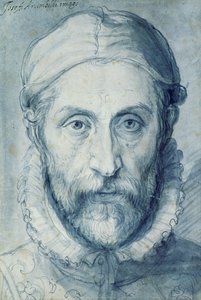
1527 - 1593 , Italia


Hold deg oppdatert med de siste kunstnyhetene, eksklusive tilbud og dekorasjonsideer.
Fortell oss om prosjektet ditt, så vil våre kunsteksperter gi deg 3 personlige kunstforslag.
Vi velger ut 3 alternativer kun for deg – helt gratis!


 Forhåndsvisning
 Send
Send Del med andre
 Vis detaljer

 Last ned bildet
 Liknende objekter
 Røntgenundersøkelse
 Lysbildefremvisning
 Vis hele teksten


