x

 OilWallArtMannerism
 84.0 x 57.0 cm
 Bayerische Staatsgemäldesammlungen
Giclée- eller lerretsprint av museumskvalitet med rask produksjon og fleksible valgmuligheter for etterbehandling. ( Kjøp håndlaget maleri Kjøp bilde)





























Velg mellom våre forhåndsdefinerte størrelser som bevarer kunstverkets opprinnelige proporsjoner.

Du kan oppgi egne mål for å tilpasse en spesifikk ramme eller et bestemt område. Dersom den valgte størrelsen ikke samsvarer med det originale bildets proporsjoner, vil vi enten beskjære kunstverket eller utvide bildet med en speilet eller ensfarget kant. En digital mockup vil bli sendt til din godkjenning før produksjonen starter.
Vennligst merk at forhåndsvisningen på skjermen ikke gjenspeiler den faktiske beskjæringen eller utvidelsen. Kun mockuppen vil vise den endelige komposisjonen nøyaktig.
Selv om tilpassede størrelser er tilgjengelige, anbefaler vi å velge et mål fra den forhåndsdefinerte listen for å bevare de originale proporsjonene.
Verdensomspennende levering () på 2 uker i stedet for standard 4/5 uker. (14 August)


Winter
Størrelse på reproduksjon
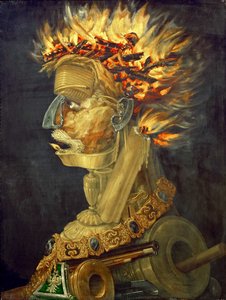
Giuseppe Arcimboldo’s “Winter,” painted circa 1563 and now residing within the Kunsthistorisches Museum in Vienna, isn’t merely a portrait; it’s an immersive allegory, a frozen tableau vivant constructed entirely from the bounty of nature. More than just a clever visual puzzle, this masterpiece embodies the Renaissance fascination with symbolism, classical mythology, and the cyclical rhythms of life and death – all rendered with a startlingly modern sensibility. Arcimboldo, already renowned for his inventive character portraits crafted from fruits, vegetables, and books, pushes the boundaries of representation here, transforming a human form into an evocative embodiment of winter’s stark beauty and inherent melancholy.
The central figure, often interpreted as a wizened old man or perhaps a spirit emerging from a rustic sack – rendered in rough, textured burlap – dominates the composition. His face is deeply etched with wrinkles, roots, and branches, a deliberate blurring of human and plant characteristics that speaks to the interconnectedness of all living things. The careful arrangement of elements—the vibrant oranges nestled beneath, the cascading vines and foliage framing his head—immediately evoke associations with fertility, abundance, and the promise of spring hidden within the heart of winter’s dormancy. The inclusion of these fruits isn't arbitrary; they are potent symbols of renewal and hope, subtly counterbalancing the somber tones of the overall scene.
Arcimboldo’s skill lies not just in his imaginative subject matter but also in his meticulous execution. “Winter” is a testament to the artist's mastery of oil painting, utilizing a technique that builds up layers of texture with painstaking detail. The chiaroscuro – the dramatic interplay of light and shadow – is particularly striking, emphasizing the rough surfaces of the fruits and vegetables while simultaneously creating an atmosphere of profound depth and mystery. The perspective is subtly distorted, lending the image a dreamlike quality, as if peering into a world both familiar and unsettlingly strange. The composition itself is carefully balanced, drawing the eye to the central figure while allowing the surrounding elements to contribute to the overall narrative.
Notice the deliberate use of color – predominantly browns, greens, and ochre—that evokes the muted palette of a winter landscape. These earthy tones are punctuated by the vibrant oranges, creating a compelling contrast that draws attention to their symbolic significance. The background remains deliberately dark and undefined, serving only to isolate the subject and heighten its presence within the scene. The overall effect is one of controlled chaos, where disparate elements coalesce into a cohesive and profoundly moving whole.
To fully appreciate “Winter,” it’s crucial to understand the context in which Arcimboldo worked – the vibrant intellectual climate of the late 16th century. The painting draws heavily on classical mythology, particularly the figure of Vertumnus, the Roman god of fertility, change, and seasons. Vertumnus was often depicted as a shapeshifter, embodying both the destructive and generative forces of nature. Arcimboldo’s portrait clearly echoes this mythological archetype, suggesting that the central figure is not merely a representation of winter but also a manifestation of the cyclical processes of life, death, and rebirth.
Furthermore, the Renaissance fascination with allegory – the use of symbolic imagery to convey deeper meanings – played a significant role in Arcimboldo’s artistic practice. His portraits were often intended as visual riddles, challenging viewers to decipher their hidden messages. “Winter,” like many of his other works, invites contemplation on themes such as mortality, time, and the relationship between humanity and nature. The painting's ambiguity—the figure’s expression open to interpretation—further enhances its symbolic power.
Despite its historical context, “Winter” continues to resonate with viewers today due to its arresting imagery and profound emotional impact. There is a palpable sense of melancholy woven into the fabric of the painting – a quiet acknowledgement of winter’s stark beauty and inherent sadness. Yet, amidst this somber mood, there's also an underlying current of hope, symbolized by the vibrant oranges and the promise of spring. Arcimboldo’s ability to evoke such complex emotions through seemingly simple objects is a testament to his artistic genius.
Reproductions of “Winter” offer a remarkable opportunity to experience this masterpiece firsthand, allowing us to appreciate Arcimboldo's extraordinary skill and imaginative vision. Whether displayed in a grand salon or a cozy corner, this painting serves as a timeless reminder of the beauty and mystery of the natural world – and the enduring power of art to capture its essence.

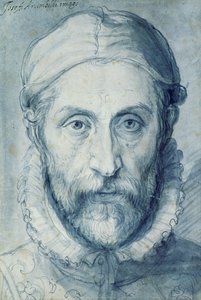
1527 - 1593 , Italia
Utforsk de 10 mest ikoniske landskapsmaleriene gjennom tidene! Fra Monet til Friedrich – oppdag historien bak mesterverkene, kunstnernes teknikker og inspirasjonen. Finn reproduksjoner av høy kvalitet for ditt hjem på Most-Famous-Paintings.no. Utforsk samlingen online!

Oppdag de 10 mest ikoniske romantiske landskapsmaleriene! Fra Caspar David Friedrich til Turner – utforsk kunsthistorien, stemningen og fargepalettene. Finn museumskvalitets reproduksjoner på Most-Famous-Paintings.com.
Opplev John Constables 25 mest ikoniske malerier! Fordyp deg i engelsk romantikk, landskapskunst og atmosfæriske scener. Finn museumskvalitets reproduksjoner & interiørinspirasjon på Most-Famous-Paintings.com. Utforsk samlingen online!

Explore the rich history of landscape art with Most-Famous-Paintings. Discover renowned artists, movements like Impressionism & Romanticism, and expert guidance for collecting timeless pieces. Find your perfect serene escape today!

Explore the exquisite world of botanical realism. From scientific precision to Impressionist light, discover how master artists capture nature's true essence through timeless, hand-painted oil reproductions and historical insights for the discerning art lover.


Hold deg oppdatert med de siste kunstnyhetene, eksklusive tilbud og dekorasjonsideer.
Fortell oss om prosjektet ditt, så vil våre kunsteksperter gi deg 3 personlige kunstforslag.
Vi velger ut 3 alternativer kun for deg – helt gratis!


 Forhåndsvisning
 Send
Send Del med andre
 Vis detaljer

 Last ned bildet
 Liknende objekter
 Røntgenundersøkelse
 Lysbildefremvisning
 Vis hele teksten







 Glassalternativet er kun tilgjengelig i størrelser under 110 cm