x


 Preview
 Bestill maleri Kjøp digitalt bilde
 Send
Send
 Vis detaljer
 Legg til i favoritter
 Last ned bildet
 Liknende objekter
 Røntgenundersøkelse
 Lysbildefremvisning
Giclée- eller lerretsprint av museumskvalitet med rask produksjon og fleksible valgmuligheter for etterbehandling.





























Velg mellom våre forhåndsdefinerte størrelser som bevarer kunstverkets opprinnelige proporsjoner.

Du kan oppgi egne mål for å tilpasse en spesifikk ramme eller et bestemt område. Dersom den valgte størrelsen ikke samsvarer med det originale bildets proporsjoner, vil vi enten beskjære kunstverket eller utvide bildet med en speilet eller ensfarget kant. En digital mockup vil bli sendt til din godkjenning før produksjonen starter.
Vennligst merk at forhåndsvisningen på skjermen ikke gjenspeiler den faktiske beskjæringen eller utvidelsen. Kun mockuppen vil vise den endelige komposisjonen nøyaktig.
Selv om tilpassede størrelser er tilgjengelige, anbefaler vi å velge et mål fra den forhåndsdefinerte listen for å bevare de originale proporsjonene.
Verdensomspennende levering () på 2 uker i stedet for standard 4/5 uker. (23 July)


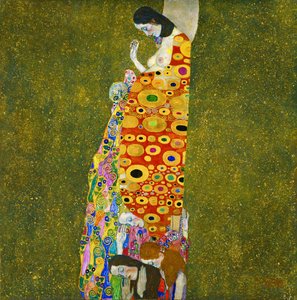
Orpheus and Eurydice
Størrelse på reproduksjon
Gustav Klimt’s *Orpheus and Eurydice*, completed in 1885, stands as an emblem of the Viennese Secession’s fascination with Symbolism and its rejection of academic conventions. More than just a depiction of mythic figures—the legendary musician Orpheus and his beloved Eurydice—it's a profound meditation on love, loss, and the yearning for transcendence, rendered in Klimt’s signature opulent style.
The historical context surrounding the painting is crucial to understanding its significance. Vienna in 1885 was a hub of artistic innovation, fueled by intellectual currents questioning traditional values and embracing esoteric ideas. Klimt’s Secessionists sought to forge a new path for Austrian art, rejecting the conservative tastes of the Austro-Hungarian Empire.
Symbolism: Klimt infused *Orpheus and Eurydice* with rich symbolism. The golden leaf represents divine grace and immortality—a visual affirmation of hope amidst despair. Eurydice’s pale skin symbolizes purity and vulnerability, while Orpheus' lyre embodies artistic expression and the power to communicate emotions beyond words. The bird perched atop the composition serves as a reminder of resurrection and rebirth.
Emotional Impact: Viewing *Orpheus and Eurydice* evokes a palpable sense of melancholy beauty. Klimt’s masterful use of color—primarily gold, ivory, and muted blues—creates an atmosphere of solemn contemplation. The painting's delicate rendering captures the tender intimacy between Orpheus and Eurydice, conveying the profound sorrow associated with loss while simultaneously hinting at the possibility of reunion beyond earthly existence. It remains a testament to Klimt’s ability to transform myth into emotionally resonant art.
The Museo d’Arte Moderna Ca’ Pesaro in Venice houses a remarkable collection of Klimt's works, offering visitors an unparalleled opportunity to immerse themselves in his artistic vision. Furthermore, exploring the Croatian National Theatre Ivan pl. Zajc and Rijeka provides insight into how Klimt’s masterpiece was originally displayed—a poignant reminder of its enduring legacy.


1862 - 1918 , Østerrike
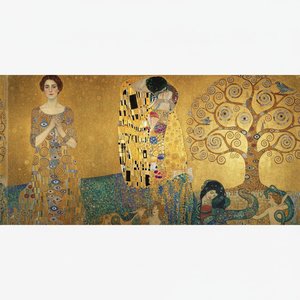
Utforsk Gustav Klimts 25 mest ikoniske kunstverk! Fordyp deg i Jugendstilens gullalder, symbolisme og portretter av kvinner. Finn inspirasjon til interiørdesign & kjøp eksklusive reproduksjoner på Most-Famous-Paintings.com.

Oppdag de 10 mest ikoniske Art Nouveau mesterverkene! Lær historien bak Alphonse Mucha, Gustav Klimt og andre jugendstil-kunstnere. Finn inspirasjon til interiørdesign og kjøp museumskvalitets reproduksjoner på Most-Famous-Paintings.com – din kilde for tidløs kunst.

Oppdag de 25 mest ikoniske kunstverkene fra Metropolitan Museum of Art i New York! Lær historien bak Rembrandt, Van Gogh, Monet og mer. Finn inspirasjon til interiøret ditt med museumskvalitets reproduksjoner på Most-Famous-Paintings.com.

Utforsk symbolismens 10 mest ikoniske malerier! Fra Gustave Moreau til Edvard Munch – oppdag historiene bak mesterverkene og deres mystiske skjønnhet. Finn luksus reproduksjoner & interiørinspirasjon på Most-Famous-Paintings.com.
Oppdag de 25 mest ikoniske kunstverkene på National Gallery of Art i Washington! Fra Cézanne til Picasso – utforsk historien, teknikken og skjønnheten bak hvert mesterverk. Finn inspirasjon til interiøret ditt og kjøp museumskvalitets reproduksjoner på Most-Famous-Paintings.com.


Hold deg oppdatert med de siste kunstnyhetene, eksklusive tilbud og dekorasjonsideer.
Fortell oss om prosjektet ditt, så vil våre kunsteksperter gi deg 3 personlige kunstforslag.
Vi velger ut 3 alternativer kun for deg – helt gratis!


 Del med andre


 Vis hele teksten







 Glassalternativet er kun tilgjengelig i størrelser under 110 cm