


x

Kjøp et høyoppløselig, forbedret digitalt bilde som er langt bedre enn forhåndsvisningen på nettet.
Hver fil er omhyggelig klargjort av våre egne spesialister ved hjelp av avanserte verktøy og profesjonell manuell retusjering. Vi sørger for at hvert bilde har eksepsjonell klarhet, presis fargegjengivelse og fine detaljer.
Den endelige filen leveres via e-post innen 72 timer, optimalisert for umiddelbar bruk i profesjonelle, redaksjonelle og trykte miljøer. Dette er den samme kvaliteten som benyttes av ledende designstudioer, utgivere og gallerier.
Last ned en høyoppløselig fil for personlig bruk, utskrift og kreative prosjekter. ( Bytt til trykk Bytt til håndmalt maleri)
Når du velger Most-Famous-Paintings.com, får du ikke bare et bilde – du mottar et profesjonelt forbedret digitalt kunstverk, skapt med presisjon og med en garantert tilfredshetsgaranti. Her er alt som automatisk følger med din bestilling:

Din høyoppløselige digitale bildefil sendes til din e-post innen 72 timer etter bestilling – klar til umiddelbar bruk.

Ditt kunstverk blir profesjonelt optimalisert ved hjelp av avanserte AI-verktøy og manuell redigering, noe som sikrer maksimal detaljrikdom, klarhet og fargegjengivelse.

Har du ved et uhell slettet eller mistet filen din? Ingen bekymring – vi sender den på nytt når som helst, helt gratis.

Nyt ditt kunstverk umiddelbart uten toll, avgifter eller leveringskostnader – digitale nedlastinger er alltid avgiftsfrie.

Vi sikrer at ditt digitale bilde gjenspeiler de originale fargene så nøyaktig som mulig ved hjelp av profesjonelle verktøy og fargehåndtering.

Hvis du ikke er fornøyd med ditt digitale bilde, vil vi revidere det eller refundere 100% innen 60 dager – uten spørsmål.

Ikke fornøyd? Få full refusjon innen 60 dager etter at du har mottatt din digitale fil – uten spørsmål.

Kjøp 3 bilder, spar 10% - Kjøp 5, spar 15% - Kjøp 10+, spar 20%. Ideelt for kreative prosjekter, gallerier og byråer.
Gustav Klimt's "Study for The Dancer," a preparatory sketch rendered in delicate graphite and charcoal, offers an intimate window into the creative process behind one of his most iconic works. More than just a preliminary drawing, it embodies the nascent stages of a monumental vision—a testament to Klimt’s meticulous approach and profound exploration of feminine beauty and movement. This particular study, created in 1905, captures a pivotal moment in the development of “The Dancer,” a mural destined for the opulent Stoclet Palace in Brussels, and speaks volumes about Klimt's evolving artistic language.
The sketch itself is remarkably restrained, yet brimming with potential. A full-length female figure dominates the composition, poised with an almost regal stillness. Her arms are gracefully crossed, a subtle gesture of contained power and quiet contemplation. The lines are fluid and confident, suggesting not just the outline of her form but also the underlying musculature and drapery that would later be amplified in the finished painting. Noticeably absent is any attempt at shading or tonal variation; Klimt relies entirely on line weight and precise detailing to establish volume and depth. This deliberate choice underscores a shift towards a more linear, geometric style, characteristic of his mature work and heavily influenced by Japanese art – a fascination that would profoundly shape his aesthetic.
To fully appreciate this study, it's crucial to understand its context within Klimt’s broader artistic trajectory. The late 1890s marked a period of intense experimentation for the artist, as he moved away from the academic traditions that had initially defined his training and embraced a more personal, symbolic style. This shift culminated in what is often referred to as his “golden phase,” characterized by lavish use of gold leaf—a technique borrowed from Byzantine mosaics and medieval illuminated manuscripts – alongside bold geometric patterns and an exploration of themes related to sexuality, mythology, and the human psyche. "The Dancer," commissioned for the Stoclet Palace, was intended to be a centerpiece of this opulent display, embodying Klimt’s vision of female grace and spiritual transcendence.
This particular study, created in 1905, predates the full implementation of the gold leaf technique. It reveals a more restrained approach, focusing on capturing the essence of the pose and proportion before layering in the shimmering metallic accents that would ultimately define the final masterpiece. The sketch’s composition echoes elements found in Egyptian art – a deliberate reference to Klimt's fascination with ancient cultures and their idealized representations of the human form. The figure’s stance, reminiscent of statues from tombs, hints at an underlying sense of timelessness and spiritual significance.
Beyond its technical merits, “Study for The Dancer” is rich in symbolic meaning. The dancer herself represents a potent blend of vulnerability and strength, poised between earthly sensuality and ethereal beauty. Her crossed arms suggest both protection and introspection, while her gaze—implied rather than explicitly depicted—hints at an inner world of contemplation. Klimt’s use of line creates a dynamic tension, conveying the feeling of movement without resorting to traditional depictions of motion. The sketch invites us to imagine the dancer as more than just a figure; she becomes a vessel for exploring themes of desire, spirituality, and the complexities of the human experience.
The study’s monochrome palette—a stark contrast to the vibrant gold that would later adorn “The Dancer”—further emphasizes its introspective nature. It's a moment of pure form, stripped bare of extraneous details, allowing us to focus on the fundamental elements of composition and gesture. It is a reminder that Klimt’s genius lay not only in his ability to create visually stunning works but also in his capacity to distill complex emotions and ideas into deceptively simple sketches.
Reproductions of “Study for The Dancer” offer a remarkable opportunity to experience the intimacy and artistry of Klimt’s creative process. The meticulous detail captured in this preparatory sketch is faithfully reproduced, allowing viewers to appreciate the subtle nuances of line and form that define his unique style. Whether displayed as a standalone piece or incorporated into an interior design scheme, this study serves as a powerful reminder of Klimt's enduring legacy—a testament to the transformative power of art and its ability to capture the essence of beauty, movement, and the human spirit.
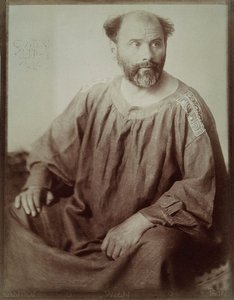
1862 - 1918 , Østerrike


Hold deg oppdatert med de siste kunstnyhetene, eksklusive tilbud og dekorasjonsideer.
Fortell oss om prosjektet ditt, så vil våre kunsteksperter gi deg 3 personlige kunstforslag.
Vi velger ut 3 alternativer kun for deg – helt gratis!


 Forhåndsvisning
 Send
Send Del med andre
 Vis detaljer

 Last ned bildet
 Liknende objekter
 Røntgenundersøkelse
 Lysbildefremvisning

 Vis hele teksten


