x

 Olje på lerretVeggkunstFauvism
 1917Moderne kunst
 38.0 x 55.0 cm
Giclée- eller lerretsprint av museumskvalitet med rask produksjon og fleksible valgmuligheter for etterbehandling. ( Kjøp håndlaget maleri Kjøp bilde)





























Velg mellom våre forhåndsdefinerte størrelser som bevarer kunstverkets opprinnelige proporsjoner.

Du kan oppgi egne mål for å tilpasse en spesifikk ramme eller et bestemt område. Dersom den valgte størrelsen ikke samsvarer med det originale bildets proporsjoner, vil vi enten beskjære kunstverket eller utvide bildet med en speilet eller ensfarget kant. En digital mockup vil bli sendt til din godkjenning før produksjonen starter.
Vennligst merk at forhåndsvisningen på skjermen ikke gjenspeiler den faktiske beskjæringen eller utvidelsen. Kun mockuppen vil vise den endelige komposisjonen nøyaktig.
Selv om tilpassede størrelser er tilgjengelige, anbefaler vi å velge et mål fra den forhåndsdefinerte listen for å bevare de originale proporsjonene.
Verdensomspennende levering () på 2 uker i stedet for standard 4/5 uker. (18 August)


The Windshield
Størrelse på reproduksjon
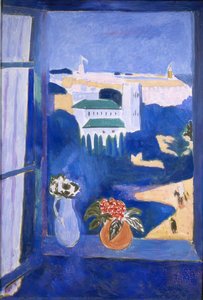
Henri Matisse’s "The Windshield," created in 1917, is more than just a depiction of a car; it's a vibrant snapshot of early 20th-century modernity and a testament to the artist's innovative approach to perspective. Measuring 38 x 55 cm, this painting encapsulates the spirit of Fauvism while simultaneously reflecting the changing landscape of urban life and technological advancement.
The composition of "The Windshield" is strikingly unique. Instead of presenting a traditional exterior view of a car, Matisse positions the viewer inside the vehicle, looking out through the windshield. This unusual perspective immediately draws the audience into the scene, creating an immersive experience. The road stretches forward, flanked by trees that suggest movement and depth. A steering wheel is visible on the right side, and a figure can be discerned in the driver's seat, subtly hinting at the human element within this mechanical setting. The painting isn’t about precise representation; it’s about conveying the feeling of being in motion, experiencing the world from a new vantage point.
As a quintessential example of Fauvism, "The Windshield" showcases Matisse's signature use of bold colors and energetic brushstrokes. The palette isn’t naturalistic; instead, it employs vibrant hues—shades of white, grey, brown, and pink – to create an emotional impact rather than a photographic likeness. Brushstrokes are visible and expressive, contributing to the painting's sense of spontaneity and dynamism. This departure from traditional representational art forms was revolutionary at the time, prioritizing emotional expression over strict adherence to reality. The flattened perspective and simplified shapes further emphasize this stylistic choice.
The painting’s creation in 1917 places it within a period of significant technological and social change. The automobile was rapidly transforming urban life, symbolizing progress, freedom, and the burgeoning modern era. Matisse's depiction of a car in motion captures this sense of forward momentum and reflects the excitement surrounding these new advancements. Beyond its literal subject matter, "The Windshield" can be interpreted as a symbol of human connection to technology and the changing relationship between individuals and their environment. The enclosed space of the car also suggests a degree of privacy and introspection within the bustling modern world.
Henri Matisse is widely recognized, alongside Pablo Picasso, as one of the most influential artists of the 20th century. His pioneering work in Fauvism paved the way for numerous avant-garde movements and continues to inspire artists today. "The Windshield" stands as a testament to his innovative spirit and artistic vision—a captivating piece that embodies the essence of Fauvist art while offering a unique perspective on modernity. For those interested in exploring more of Matisse's works, consider:
For a deeper understanding of the Fauvist movement and its impact on modern art, visit The Museum of the Annunciation (France) - A Haven for Art Lovers on Most-Famous-Paintings.


1869 - 1954 , Frankrike

Explore the profound history of landscape masterpieces. From the Barbizon School to Monet's Impressionism, discover how timeless natural scenes bring serenity and prestige to your collection through museum-quality, hand-painted oil reproductions.


Hold deg oppdatert med de siste kunstnyhetene, eksklusive tilbud og dekorasjonsideer.
Fortell oss om prosjektet ditt, så vil våre kunsteksperter gi deg 3 personlige kunstforslag.
Vi velger ut 3 alternativer kun for deg – helt gratis!


 Forhåndsvisning
 Send
Send Del med andre
 Vis detaljer

 Last ned bildet
 Liknende objekter
 Røntgenundersøkelse
 Lysbildefremvisning
 Vis hele teksten







 Glassalternativet er kun tilgjengelig i størrelser under 110 cm