


x

 Akryl på lerretVeggkunstEarly Netherlandish Painting
 1504
1504 163.0 x 128.0 cm
 Academy of Fine Arts Vienna
Kjøp et høyoppløselig, forbedret digitalt bilde som er langt bedre enn forhåndsvisningen på nettet.
Hver fil er omhyggelig klargjort av våre egne spesialister ved hjelp av avanserte verktøy og profesjonell manuell retusjering. Vi sørger for at hvert bilde har eksepsjonell klarhet, presis fargegjengivelse og fine detaljer.
Den endelige filen leveres via e-post innen 72 timer, optimalisert for umiddelbar bruk i profesjonelle, redaksjonelle og trykte miljøer. Dette er den samme kvaliteten som benyttes av ledende designstudioer, utgivere og gallerier.
Last ned en høyoppløselig fil for personlig bruk, utskrift og kreative prosjekter. ( Kjøp trykk Kjøp håndlaget maleri)
Når du velger Most-Famous-Paintings.com, får du ikke bare et bilde – du mottar et profesjonelt forbedret digitalt kunstverk, skapt med presisjon og med en garantert tilfredshetsgaranti. Her er alt som automatisk følger med din bestilling:

Din høyoppløselige digitale bildefil sendes til din e-post innen 72 timer etter bestilling – klar til umiddelbar bruk.

Ditt kunstverk blir profesjonelt optimalisert ved hjelp av avanserte AI-verktøy og manuell redigering, noe som sikrer maksimal detaljrikdom, klarhet og fargegjengivelse.

Har du ved et uhell slettet eller mistet filen din? Ingen bekymring – vi sender den på nytt når som helst, helt gratis.

Nyt ditt kunstverk umiddelbart uten toll, avgifter eller leveringskostnader – digitale nedlastinger er alltid avgiftsfrie.

Vi sikrer at ditt digitale bilde gjenspeiler de originale fargene så nøyaktig som mulig ved hjelp av profesjonelle verktøy og fargehåndtering.

Hvis du ikke er fornøyd med ditt digitale bilde, vil vi revidere det eller refundere 100% innen 60 dager – uten spørsmål.

Ikke fornøyd? Få full refusjon innen 60 dager etter at du har mottatt din digitale fil – uten spørsmål.

Kjøp 3 bilder, spar 10% - Kjøp 5, spar 15% - Kjøp 10+, spar 20%. Ideelt for kreative prosjekter, gallerier og byråer.
Hieronymus Bosch’s “Last Judgement Triptych,” completed around 1504, stands as one of the most unsettling and profoundly symbolic masterpieces of the Early Netherlandish Renaissance. More than just a depiction of biblical prophecy, it's an immersive experience into a realm of grotesque imagination—a visual distillation of Bosch’s preoccupation with mortality, sin, and God’s inescapable judgment.
Painted on oak panels in oil tempera and gold leaf, the triptych assaults the senses with its sheer scale and disturbing imagery. Bosch abandons traditional religious iconography for a visceral portrayal of hell—a landscape populated by monstrous creatures, tormented souls, and grotesque distortions of human form. The central panel dominates the composition, presenting an infernal panorama teeming with demons, tortured figures, and symbolic representations of damnation.
The left wing recounts the biblical narrative of Adam and Eve’s fall from grace. Bosch meticulously recreates the Garden of Eden, populated by exquisitely rendered angels battling for dominion over souls. The depiction of Eve succumbing to Lucifer's temptation is fraught with psychological tension—a moment of profound moral transgression captured in breathtaking detail. Above all, Bosch portrays God extracting Eve from Adam’s rib, symbolizing the divine creation and the subsequent corruption of humanity.
Moving to the right wing, Bosch presents a vision of Heaven—a serene tableau dominated by angelic figures and saints. The upper archway showcases Jesus Christ enthroned in majesty, surrounded by Mary and John the Baptist, embodying divine compassion and righteousness. Below this celestial scene is Noah carrying the ark over his head, symbolizing salvation from impending catastrophe. The panel’s meticulous execution underscores Bosch's belief in the ultimate triumph of faith over darkness.
Beyond its visual spectacle, “Last Judgement” is laden with symbolism—a language of grotesque imagery designed to provoke contemplation and instill fear. Bosch employs recurring motifs—such as serpents, skulls, and tormented faces—to convey the pervasive influence of sin and death. The artist’s masterful use of color—particularly the vibrant reds and yellows of hell contrasted against the muted tones of heaven—amplifies the emotional impact of the scene.
“Last Judgement” cemented Bosch's reputation as a visionary artist who dared to confront the darkest aspects of human experience. Its influence extended far beyond its time, inspiring artists and writers for centuries to come—a testament to Bosch’s enduring power to unsettle and inspire.

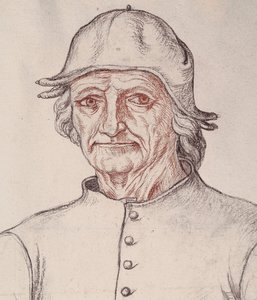
1450 - 1516 , Nederland


Hold deg oppdatert med de siste kunstnyhetene, eksklusive tilbud og dekorasjonsideer.
Fortell oss om prosjektet ditt, så vil våre kunsteksperter gi deg 3 personlige kunstforslag.
Vi velger ut 3 alternativer kun for deg – helt gratis!


 Forhåndsvisning
 Send
Send Del med andre
 Vis detaljer

 Last ned bildet
 Liknende objekter
 Røntgenundersøkelse
 Lysbildefremvisning
 Vis hele teksten


