


x

 Romanticism
 1812
1812 70.0 x 90.0 cm
 Brodsworth Hall
Giclée- eller lerretsprint av museumskvalitet med rask produksjon og fleksible valgmuligheter for etterbehandling. ( Kjøp håndlaget maleri Kjøp bilde)





























Velg mellom våre forhåndsdefinerte størrelser som bevarer kunstverkets opprinnelige proporsjoner.

Du kan oppgi egne mål for å tilpasse en spesifikk ramme eller et bestemt område. Dersom den valgte størrelsen ikke samsvarer med det originale bildets proporsjoner, vil vi enten beskjære kunstverket eller utvide bildet med en speilet eller ensfarget kant. En digital mockup vil bli sendt til din godkjenning før produksjonen starter.
Vennligst merk at forhåndsvisningen på skjermen ikke gjenspeiler den faktiske beskjæringen eller utvidelsen. Kun mockuppen vil vise den endelige komposisjonen nøyaktig.
Selv om tilpassede størrelser er tilgjengelige, anbefaler vi å velge et mål fra den forhåndsdefinerte listen for å bevare de originale proporsjonene.
Verdensomspennende levering () på 2 uker i stedet for standard 4/5 uker. (20 August)


Light Bay Mare
Størrelse på reproduksjon

James Barenger, born on Christmas Day 1780 in Kentish Town, London, was a pivotal figure in the burgeoning English School of painting—a movement that championed realism and meticulous observation of the natural world. His life’s trajectory mirrored the artistic fervor of his era, marked by familial connections to established craftsmen and an early embrace of artistic pursuits under the tutelage of his father, James Barenger Snr., a skilled metal chaser and artist who garnered acclaim for portraying insects at the Society of Artists and Royal Academy.
His brother Samuel Barenger (christened Major Samuel Barenger) followed in his father’s footsteps as an engraver, fostering a creative environment that nurtured their artistic sensibilities. From humble beginnings, James embarked on a distinguished career dedicated to capturing the essence of animal subjects—primarily horses and dogs—and depicting evocative hunting scenes with unparalleled detail.
Barenger's debut at the Royal Academy in 1807 signaled the commencement of his artistic journey, establishing him as one of London’s foremost painters. He resided primarily in Kentish Town during this formative period but later relocated to Camden Town, where he cultivated a prolific output that captivated discerning patrons and secured his place within the annals of British art history.
Throughout his lifetime, Barenger amassed considerable wealth through commissions from aristocratic families like the Tattersall family, further fueling his artistic endeavors. His paintings were reproduced extensively for sporting publications—most notably W. H. Scott’s *British Field Sports*, *The Sporting Repository*, *The Annals of Sporting* and *The Sporting Magazine*. Notably, Scott engraved Barenger's depiction of Blucher (ca. 1814), cementing the artist’s reputation as a masterful painter and engraver.
Beyond his artistic accomplishments, James Barenger was an avid breeder of pointer dogs—a passion that reflected his deep connection to the English countryside and its wildlife. He passed away peacefully on October 1st, 1831, finding rest in Old St Pancras churchyard, leaving behind a legacy of exquisite paintings that continue to inspire admiration for their technical precision and emotive power.
His contribution to British art history remains undeniable—a testament to his unwavering dedication to capturing the beauty and dynamism of the natural world through masterful observation and skillful execution.

1780 - 1831

Oppdag Sir Alfred James Munnings' 25 mest ikoniske malerier! Fordyp deg i hestemalerier, engelsk landskapskunst og impresjonistisk skjønnhet. Finn museumskvalitets reproduksjoner & interiørinspirasjon på Most-Famous-Paintings.com.
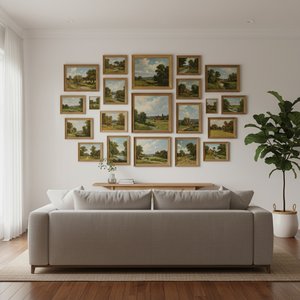
Opplev John Constables 25 mest ikoniske malerier! Fordyp deg i engelsk romantikk, landskapskunst og atmosfæriske scener. Finn museumskvalitets reproduksjoner & interiørinspirasjon på Most-Famous-Paintings.com. Utforsk samlingen online!
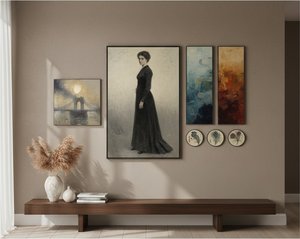
Utforsk James Abbott McNeill Whistlers 25 mest ikoniske kunstverk! Oppdag historien bak Nocturnes, portretter og impresjonistisk harmoni. Finn museumskvalitets reproduksjoner & interiørinspirasjon på Most-Famous-Paintings.com.
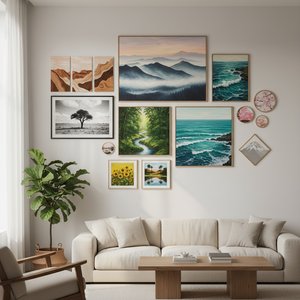
Utforsk de 10 mest ikoniske landskapsmaleriene gjennom tidene! Fra Monet til Friedrich – oppdag historien bak mesterverkene, kunstnernes teknikker og inspirasjonen. Finn reproduksjoner av høy kvalitet for ditt hjem på Most-Famous-Paintings.no. Utforsk samlingen online!

Explore the rich history of rural landscape painting with Most-Famous-Paintings. Discover Impressionist masterpieces, key artists & movements. Find your perfect serene artwork and bring nature's beauty home.


Hold deg oppdatert med de siste kunstnyhetene, eksklusive tilbud og dekorasjonsideer.
Fortell oss om prosjektet ditt, så vil våre kunsteksperter gi deg 3 personlige kunstforslag.
Vi velger ut 3 alternativer kun for deg – helt gratis!


 Forhåndsvisning
 Send
Send Del med andre
 Vis detaljer

 Last ned bildet
 Liknende objekter
 Røntgenundersøkelse
 Lysbildefremvisning
 Vis hele teksten







 Glassalternativet er kun tilgjengelig i størrelser under 110 cm


