x


 Akryl på lerretVeggkunstEarly Netherlandish Realism
 Renessansen
 28.0 x 20.0 cm
 Metropolitan Museum of Art
Giclée- eller lerretsprint av museumskvalitet med rask produksjon og fleksible valgmuligheter for etterbehandling. ( Switch to hand made Painting Switch to Image)





























Velg mellom våre forhåndsdefinerte størrelser som bevarer kunstverkets opprinnelige proporsjoner.

Du kan oppgi egne mål for å tilpasse en spesifikk ramme eller et bestemt område. Dersom den valgte størrelsen ikke samsvarer med det originale bildets proporsjoner, vil vi enten beskjære kunstverket eller utvide bildet med en speilet eller ensfarget kant. En digital mockup vil bli sendt til din godkjenning før produksjonen starter.
Vennligst merk at forhåndsvisningen på skjermen ikke gjenspeiler den faktiske beskjæringen eller utvidelsen. Kun mockuppen vil vise den endelige komposisjonen nøyaktig.
Selv om tilpassede størrelser er tilgjengelige, anbefaler vi å velge et mål fra den forhåndsdefinerte listen for å bevare de originale proporsjonene.
Verdensomspennende levering () på 2 uker i stedet for standard 4/5 uker. (30 July)


Portrait av ein mann i ein kapparon
Størrelse på reproduksjon

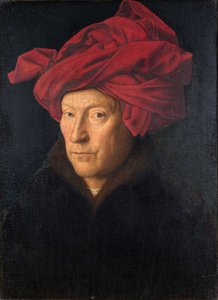
1390 - 1441 , Nederland

Utforsk de 10 mest ikoniske verkene fra tidlig nederlandsk maleri! Lær om Jan van Eyck, Robert Campin og renessansens mestere. Finn kunsttrykk av høy kvalitet og interiørinspirasjon på Most-Famous-Paintings.com – ditt hjem fortjener et mesterverk.
Oppdag Van Goghs 25 mest ikoniske malerier! Fordyp deg i historien, teknikken og følelsene bak mesterverk som Stjernenatt & Solsikker. Finn inspirasjon til ditt hjem med museumskvalitets reproduksjoner på Most-Famous-Paintings.com.

Explore the revolutionary art of Jan van Eyck! Discover his groundbreaking oil painting techniques, hidden symbolism, and lasting impact on the Early Netherlandish Renaissance. A deep dive for art enthusiasts.

Utforsk de 10 ikoniske mesterverkene fra tidlig nederlandsk renessanse! Jan van Eyck, Bosch & Van der Weyden – lær om historien og teknikken bak disse flotte oljemaleriene. Finn kunst til ditt hjem på Most-Famous-Paintings.com.

Explore the captivating world of Early Netherlandish painting! Discover Jan van Eyck & other Flemish masters, their revolutionary techniques, hidden symbolism, and lasting legacy. A comprehensive guide for art enthusiasts.


Hold deg oppdatert med de siste kunstnyhetene, eksklusive tilbud og dekorasjonsideer.
Fortell oss om prosjektet ditt, så vil våre kunsteksperter gi deg 3 personlige kunstforslag.
Vi velger ut 3 alternativer kun for deg – helt gratis!


 Preview
 Send
Send Del med andre
 Vis detaljer

 Last ned bildet
 Liknende objekter
 Røntgenundersøkelse
 Lysbildefremvisning
 Vis hele teksten







 Glassalternativet er kun tilgjengelig i størrelser under 110 cm