x

Giclée- eller lerretsprint av museumskvalitet med rask produksjon og fleksible valgmuligheter for etterbehandling. ( Kjøp håndlaget maleri Kjøp bilde)





























Velg mellom våre forhåndsdefinerte størrelser som bevarer kunstverkets opprinnelige proporsjoner.

Du kan oppgi egne mål for å tilpasse en spesifikk ramme eller et bestemt område. Dersom den valgte størrelsen ikke samsvarer med det originale bildets proporsjoner, vil vi enten beskjære kunstverket eller utvide bildet med en speilet eller ensfarget kant. En digital mockup vil bli sendt til din godkjenning før produksjonen starter.
Vennligst merk at forhåndsvisningen på skjermen ikke gjenspeiler den faktiske beskjæringen eller utvidelsen. Kun mockuppen vil vise den endelige komposisjonen nøyaktig.
Selv om tilpassede størrelser er tilgjengelige, anbefaler vi å velge et mål fra den forhåndsdefinerte listen for å bevare de originale proporsjonene.
Verdensomspennende levering () på 2 uker i stedet for standard 4/5 uker. (20 August)


Sunset at Cairo
Størrelse på reproduksjon
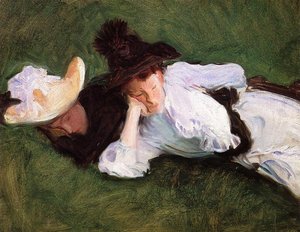
John Singer Sargent's Sunset at Cairo, painted in 1891, is more than just a depiction of two men strolling through a desert landscape; it’s an exquisitely rendered meditation on light, solitude, and the evocative power of twilight. Created during a period of immense artistic exploration – Sargent was rapidly establishing himself as a leading portraitist within European high society – this work reveals a shift in his style towards Impressionistic sensibilities, a move that would profoundly influence his later oeuvre. The scene unfolds with a quiet grace, capturing a fleeting moment of serenity against the backdrop of a warm, almost ethereal sunset. The figures, rendered with loose brushstrokes and subtle gradations of color, are not sharply defined but rather imbued with an atmospheric quality, suggesting a sense of detachment and contemplation.
Sargent’s technique in Sunset at Cairo is characterized by a masterful layering of oil paints, building up color and form through visible brushstrokes. This approach, typical of the Impressionist movement, prioritizes capturing the transient effects of light and atmosphere over meticulous detail. The canvas itself likely bears witness to this process – the texture created through the application of paint speaks volumes about Sargent’s deliberate control and expressive freedom. The choice of oil paints allowed for a rich palette and blending capabilities, essential in achieving the luminous quality of the sunset and the subtle variations in tone across the landscape. The use of canvas as the support further contributes to the painting's overall texture and depth.
The composition of Sunset at Cairo is laden with symbolic weight. The figures, walking together yet seemingly lost in their own thoughts, evoke a sense of solitude and introspection – themes frequently explored by Sargent throughout his career. The warm hues of the sunset, radiating outwards from the horizon, symbolize hope, transition, and perhaps even mortality. The distant buildings and palm trees, silhouetted against the light, add to the painting’s mystery and create a feeling of being on the edge of something vast and unknown. The scene's quietness invites the viewer to contemplate their own place within the grand scheme of things, mirroring the artist's own fascination with human emotion and experience.
Painted in 1891, *Sunset at Cairo* reflects Sargent’s growing interest in capturing landscapes rather than solely focusing on portraiture. This shift aligns with broader artistic trends of the late 19th century, where Impressionism was gaining momentum and challenging traditional academic styles. Sargent's exploration of light and atmosphere, influenced by artists like Claude Monet and Pierre-Auguste Renoir, demonstrates his willingness to experiment and push the boundaries of artistic expression. The painting’s evocative quality and masterful use of color have secured its place as a significant work within Sargent’s body of work, offering a poignant glimpse into the artist's evolving vision and profound understanding of human emotion.


1856 - 1925 , Italia

Explore 25 iconic John Singer Sargent paintings – from dazzling portraits to Impressionist landscapes. Discover the stories behind Madame X, El Jaleo & more! Find museum-quality art reproductions and elevate your home decor with Most-Famous-Paintings.com.

Explore the life & art of John Singer Sargent, premier portraitist of the Gilded Age. Discover his Impressionistic masterpieces, technical brilliance, and enduring legacy. Expert insights for collectors.
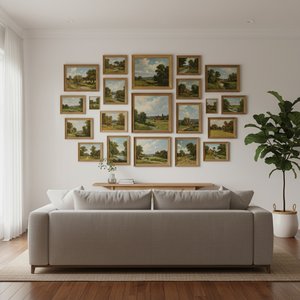
Opplev John Constables 25 mest ikoniske malerier! Fordyp deg i engelsk romantikk, landskapskunst og atmosfæriske scener. Finn museumskvalitets reproduksjoner & interiørinspirasjon på Most-Famous-Paintings.com. Utforsk samlingen online!

Discover the breathtaking elegance of John Singer Sargent's masterpieces. From iconic Gilded Age portraits to impressionistic landscapes, explore the technical brilliance and timeless allure of this American master through our premium, hand-painted fine art reproductions.

Discover the luminous mastery of John Singer Sargent. Explore an expert analysis of his legendary light, Gilded Age elegance, and technical brilliance, perfect for fine art enthusiasts seeking to bring timeless classical beauty into their modern collections.


Hold deg oppdatert med de siste kunstnyhetene, eksklusive tilbud og dekorasjonsideer.
Fortell oss om prosjektet ditt, så vil våre kunsteksperter gi deg 3 personlige kunstforslag.
Vi velger ut 3 alternativer kun for deg – helt gratis!


 Forhåndsvisning
 Send
Send Del med andre
 Vis detaljer

 Last ned bildet
 Liknende objekter
 Røntgenundersøkelse
 Lysbildefremvisning

 Vis hele teksten







 Glassalternativet er kun tilgjengelig i størrelser under 110 cm