


x
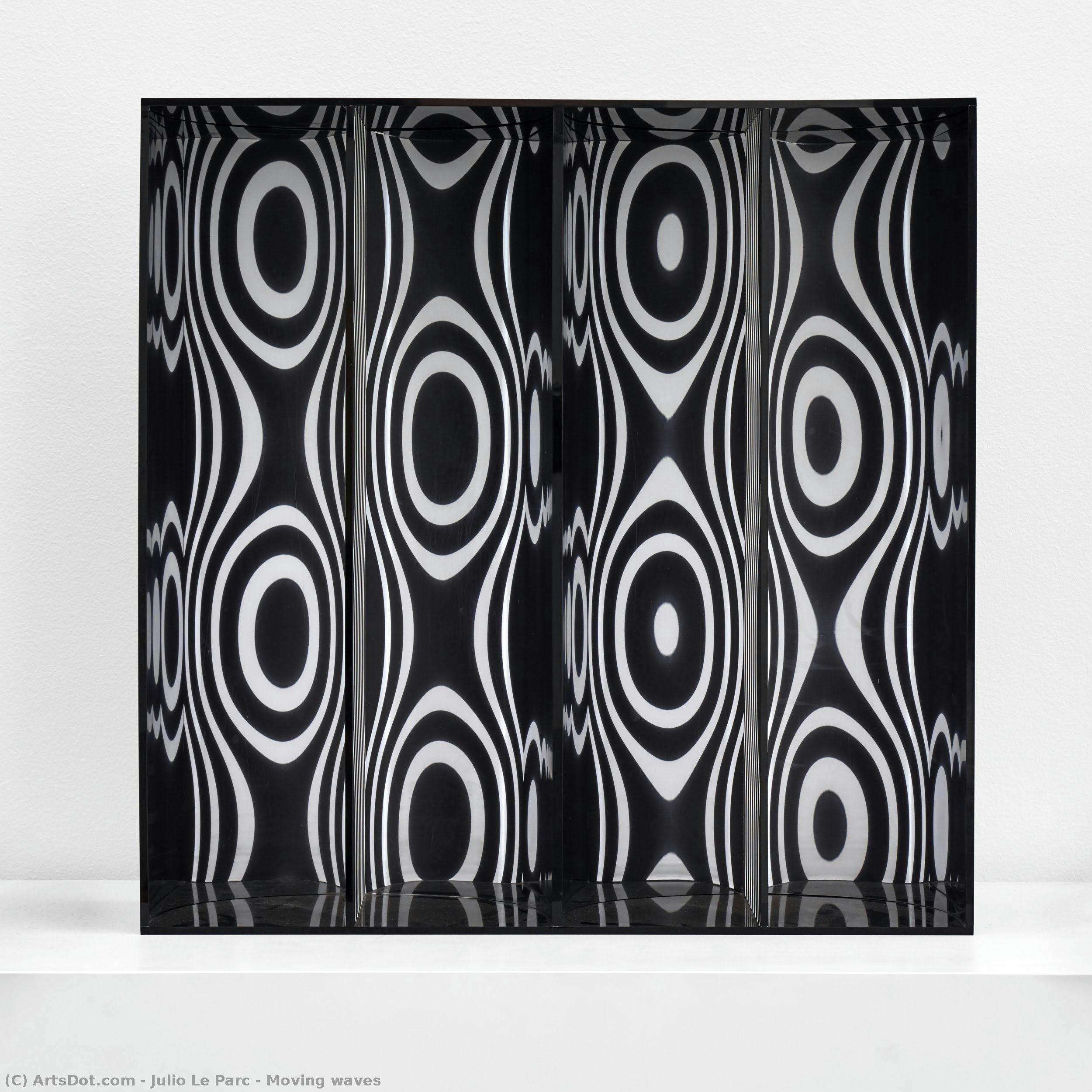
Giclée- eller lerretsprint av museumskvalitet med rask produksjon og fleksible valgmuligheter for etterbehandling. ( Kjøp håndlaget maleri Kjøp bilde)
Velg mellom våre forhåndsdefinerte størrelser som bevarer kunstverkets opprinnelige proporsjoner.

Du kan oppgi egne mål for å tilpasse en spesifikk ramme eller et bestemt område. Dersom den valgte størrelsen ikke samsvarer med det originale bildets proporsjoner, vil vi enten beskjære kunstverket eller utvide bildet med en speilet eller ensfarget kant. En digital mockup vil bli sendt til din godkjenning før produksjonen starter.
Vennligst merk at forhåndsvisningen på skjermen ikke gjenspeiler den faktiske beskjæringen eller utvidelsen. Kun mockuppen vil vise den endelige komposisjonen nøyaktig.
Selv om tilpassede størrelser er tilgjengelige, anbefaler vi å velge et mål fra den forhåndsdefinerte listen for å bevare de originale proporsjonene.
Verdensomspennende levering () på 2 uker i stedet for standard 4/5 uker. (15 August)


Moving waves
Størrelse på reproduksjon

Julio Le Parc (born September 23, 1928) is an Argentina-born artist celebrated for his pioneering work in both Op Art and Kinetic Art. His career has been marked by a commitment to challenging traditional artistic conventions and engaging viewers through interactive experiences.
Le Parc’s early life was shaped by modest economic circumstances. At the age of thirteen, he moved with his mother and brothers to Buenos Aires, where he attended the School of Fine Arts. This period proved formative, exposing him to the burgeoning artistic avant-garde movement in Argentina.
Le Parc’s artistic journey began with a growing interest in exploring new forms of visual expression. He was influenced by:
He quickly became a precursor to both Kinetic and Op Art, seeking to create artworks that engaged the viewer’s perception and challenged static notions of form.
A pivotal moment in Le Parc's career was his co-founding of the Groupe de Recherche d’Art Visuel (GRAV) in Paris in 1960. This collective aimed to investigate the possibilities of visual art through experimentation and collaboration. His work gained international acclaim, culminating in winning the Grand Prize for Painting at the 33rd Venice Biennale in 1966.
Le Parc’s artworks are characterized by:
Le Parc was not only an artist but also a socially conscious individual. In May 1968, he participated in the Atelier Populaire, a workshop that produced protest posters during the student uprisings in France. His involvement led to his expulsion from France, highlighting his commitment to political activism.
Following his exile, Le Parc continued to live and work in Cachan, France. He has remained a significant figure in modern art history, influencing generations of artists with his innovative approach to visual perception and interactive art. He was again bestowed the Konex Award from Argentina in 2022, recognizing his enduring impact.
Julio Le Parc’s contributions have been instrumental in expanding the boundaries of modern art. He:
His work continues to be exhibited in museums and galleries worldwide, solidifying his place as a leading figure in 20th and 21st-century art.

1928 - , Argentina
Explore the profound emotional depth of Lyrical Abstraction. Discover how masters like Raymond Parker used color and form to bridge Impressionism and Abstract Expressionism. Learn about this pivotal movement through our expert-led art history guide.

Explore the profound emotional depth of Color Field painting. Discover the history of mid-century abstraction, from Rothko to Newman, and learn how pure color transforms the viewer's experience through our expert art history guide.

Discover the profound emotional depth and investment potential of contemporary abstraction. Our expert guide explores how texture, movement, and form create timeless value for discerning art collectors and sophisticated interiors.


Hold deg oppdatert med de siste kunstnyhetene, eksklusive tilbud og dekorasjonsideer.
Fortell oss om prosjektet ditt, så vil våre kunsteksperter gi deg 3 personlige kunstforslag.
Vi velger ut 3 alternativer kun for deg – helt gratis!


 Forhåndsvisning
 Send
Send Del med andre
 Vis detaljer

 Last ned bildet
 Liknende objekter
 Røntgenundersøkelse
 Lysbildefremvisning


 Vis hele teksten




































 Glassalternativet er kun tilgjengelig i størrelser under 110 cm


