x

 Olje på lerretVeggkunstExpressionist Style
 1893tallet
 78.0 x 89.0 cm
Giclée- eller lerretsprint av museumskvalitet med rask produksjon og fleksible valgmuligheter for etterbehandling. ( Kjøp håndlaget maleri Kjøp bilde)





























Velg mellom våre forhåndsdefinerte størrelser som bevarer kunstverkets opprinnelige proporsjoner.

Du kan oppgi egne mål for å tilpasse en spesifikk ramme eller et bestemt område. Dersom den valgte størrelsen ikke samsvarer med det originale bildets proporsjoner, vil vi enten beskjære kunstverket eller utvide bildet med en speilet eller ensfarget kant. En digital mockup vil bli sendt til din godkjenning før produksjonen starter.
Vennligst merk at forhåndsvisningen på skjermen ikke gjenspeiler den faktiske beskjæringen eller utvidelsen. Kun mockuppen vil vise den endelige komposisjonen nøyaktig.
Selv om tilpassede størrelser er tilgjengelige, anbefaler vi å velge et mål fra den forhåndsdefinerte listen for å bevare de originale proporsjonene.
Verdensomspennende levering () på 2 uker i stedet for standard 4/5 uker. (17 August)


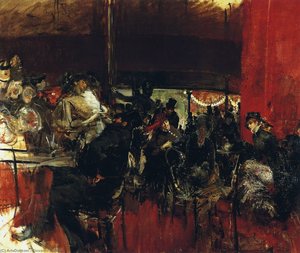
Slakterhuset
Størrelse på reproduksjon
Lovis Corinth’s “In the Slaughter House,” painted in 1893, is not merely a depiction of a grim reality; it's a visceral experience. This powerful work, rendered in a dynamic blend of Impressionism and Expressionism, plunges the viewer directly into the heart of a butchery – a scene both unsettling and profoundly moving. Corinth, a Dutch artist who spent much of his career exploring themes of labor, mortality, and the human condition, masterfully captures the raw energy and brutal efficiency of this industry, transforming a commonplace setting into a compelling work of art.
The painting’s immediate impact lies in its vibrant yet unsettling palette. Deep reds dominate – the blood-soaked hues of the meat, mirroring the intensity of the scene. Earthy browns and ochres ground the composition, reflecting the textures of the work environment: the rough hides, the wooden beams, and the dusty floor. Strategic use of muted greens and blues in the background provides a crucial contrast, adding depth and subtly highlighting the drama unfolding within. Corinth’s technique is characterized by thick, impasto brushstrokes – layers of paint applied with deliberate force that create a palpable sense of texture and movement. The artist doesn't strive for photographic realism; instead, he employs loose, expressive strokes to convey the frenetic energy of the slaughterhouse, capturing fleeting moments of action and emphasizing the physicality of labor.
“In the Slaughter House” is deeply rooted in the social and industrial landscape of late 19th-century Europe. Corinth’s work reflects a growing awareness of the realities of modern industry – its demands, its dangers, and its impact on human lives. The dim lighting and shadowy figures evoke a sense of unease and anonymity, highlighting the dehumanizing aspects of repetitive, physically demanding labor. While the scene depicts a specific profession, it can be interpreted as a broader commentary on mortality, sacrifice, and the cyclical nature of life and death – themes frequently explored in Corinth’s oeuvre. The presence of animals being slaughtered carries symbolic weight, representing vulnerability and the often-brutal intersection between humanity and the natural world.
More than just a realistic portrayal of butchery, “In the Slaughter House” is an emotionally charged work. Corinth’s masterful use of light and shadow, combined with his expressive brushwork, creates a powerful sense of drama and immediacy. The viewer isn't simply observing; they are drawn into the scene, experiencing the intensity of the action alongside the figures involved. This painting exemplifies Corinth’s unique artistic vision – a synthesis of Impressionistic color and light with Expressionist emotional depth. His work profoundly influenced subsequent generations of artists, paving the way for new approaches to depicting human experience and challenging traditional notions of representation. It's a testament to the power of art to confront difficult realities and evoke profound emotions.
“In the Slaughter House” is an exceptional piece, offering a compelling narrative that invites contemplation on themes of labor, industry, and human existence. It’s a striking addition to any art collection, providing both aesthetic pleasure and intellectual stimulation. Reproductions of this powerful artwork are particularly well-suited for interior design, adding a touch of dramatic intensity and historical significance to any space. Consider the impact of Corinth's bold style and evocative imagery when selecting a piece that will resonate with your personal taste and contribute meaningfully to your environment.


1858 - 1925 , Nederland

Explore the fascinating artistic journey of Lovis Corinth, a pivotal figure bridging Impressionism & Expressionism. Discover his evolution, key works, and lasting impact on modern art with Most-Famous-Paintings.

Utforsk 10 ikoniske malerier som fanger industriell stemning! Fra ekspresjonisme til kubisme – oppdag historien bak kunstverkene og finn inspirasjon for ditt hjem. Museumskvalitet reproduksjoner på Most-Famous-Paintings.com.

Opplev 10 ikoniske kunstverk som utstråler mot og dristighet! Fra Van Goghs intense farger til Picassos revolusjonerende kubisme – lær historien bak mesterverkene. Finn din perfekte veggkunst & reproduksjon på Most-Famous-Paintings.no.
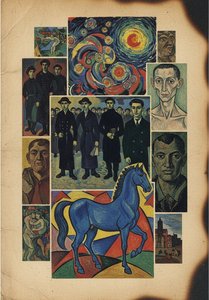
Utforsk 10 ikoniske mesterverk fra tysk ekspresjonisme! Oppdag Munch, Kirchner og Kandinsky – historiene bak fargene, teknikkene & følelsene. Finn museumskvalitets kunsttrykk for ditt hjem på Most-Famous-Paintings.com.
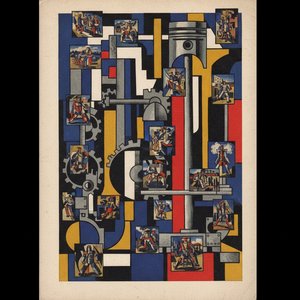
Utforsk Fernand Légers 25 mest ikoniske kunstverk! Oppdag kubismens mester, hans revolusjonerende stil og fargerike hyllest til maskinalderen. Finn inspirasjon til interiørdesign og kjøp eksklusive reproduksjoner på Most-Famous-Paintings.com.


Hold deg oppdatert med de siste kunstnyhetene, eksklusive tilbud og dekorasjonsideer.
Fortell oss om prosjektet ditt, så vil våre kunsteksperter gi deg 3 personlige kunstforslag.
Vi velger ut 3 alternativer kun for deg – helt gratis!


 Forhåndsvisning
 Send
Send Del med andre
 Vis detaljer

 Last ned bildet
 Liknende objekter
 Røntgenundersøkelse
 Lysbildefremvisning
 Vis hele teksten







 Glassalternativet er kun tilgjengelig i størrelser under 110 cm