x

Giclée- eller lerretsprint av museumskvalitet med rask produksjon og fleksible valgmuligheter for etterbehandling. ( Kjøp håndlaget maleri Kjøp bilde)





























Velg mellom våre forhåndsdefinerte størrelser som bevarer kunstverkets opprinnelige proporsjoner.

Du kan oppgi egne mål for å tilpasse en spesifikk ramme eller et bestemt område. Dersom den valgte størrelsen ikke samsvarer med det originale bildets proporsjoner, vil vi enten beskjære kunstverket eller utvide bildet med en speilet eller ensfarget kant. En digital mockup vil bli sendt til din godkjenning før produksjonen starter.
Vennligst merk at forhåndsvisningen på skjermen ikke gjenspeiler den faktiske beskjæringen eller utvidelsen. Kun mockuppen vil vise den endelige komposisjonen nøyaktig.
Selv om tilpassede størrelser er tilgjengelige, anbefaler vi å velge et mål fra den forhåndsdefinerte listen for å bevare de originale proporsjonene.
Verdensomspennende levering () på 2 uker i stedet for standard 4/5 uker. (20 August)


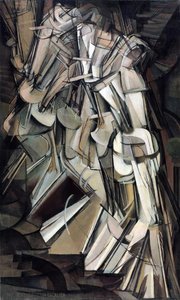
Man sitting beside a window
Størrelse på reproduksjon
In the vast, often turbulent history of modern art, there exists a rare, fleeting moment where the revolutionary spirit of Marcel Duchamp was still anchored in the serene beauty of the visible world. Man Seated by a Window, painted in 1907, captures this exquisite tension. Before he became the iconoclast who would dismantle the very definition of art through Dada and Readymades, Duchamp was a painter deeply engaged with the sensory delights of his surroundings. This piece invites the viewer into a private sanctuary, presenting a solitary figure lost in thought, framed by the soft light of a window and the vibrant life of blossoming flora. It is not merely a depiction of a man at rest; it is an invitation to pause, to breathe, and to find resonance in the quiet intervals of existence.
The composition functions as a delicate dialogue between the interior and the exterior worlds. As the eye wanders across the canvas, one encounters a masterful use of Post-Impressionist techniques that prioritize emotional atmosphere over rigid anatomical precision. The artist employs loose, gestural brushstrokes that imbue the scene with a sense of living movement—the gentle sway of leaves, the dappled light filtering through the glass, and the soft texture of the man's clothing. This stylistic choice creates a luminous quality, where the muted blues and greens of the background harmonize with warmer, sun-drenched hues from the garden outside, establishing a visual equilibrium that is both soothing and intellectually stimulating.
Executed in oil on canvas, the painting showcases Duchamp’s formidable command over medium and light. The texture of the oil paint allows for a rich layering of color, which lends depth to the shadows within the room and brilliance to the petals of the flowers. For the discerning collector or interior designer, this work offers a sophisticated interplay of tones that can anchor a room with its tranquil energy. Unlike the starker, more clinical works of later modernism, this painting possesses a tactile warmth; it feels inhabited, as if the scent of the garden could drift through the frame. The way the light interacts with the subject suggests a daytime setting filled with the gentle vitality of spring or summer, making it an ideal centerpiece for spaces designed for contemplation and repose.
Beyond its aesthetic charm, the painting serves as a profound historical document. It captures a period of transition in art history, where the boundaries between Impressionism and the burgeoning movements of Cubism were still being negotiated. In this work, we see the seeds of Duchamp’s later philosophical inquiries—the way he uses the window not just as a physical object, but as a metaphorical lens through which we perceive reality. To possess a reproduction of this masterpiece is to hold a piece of the very foundation of modern thought, wrapped in the beautiful, accessible language of classical beauty.
For those looking to curate an environment of elegance and intellectual depth, Man Seated by a Window offers unparalleled versatility. Its palette—a sophisticated blend of organic greens, deep blues, and soft floral accents—complements a wide array of interior styles, from contemporary minimalism to classic European aesthetics. The painting’s ability to evoke a sense of peace makes it a transformative element in a study, a library, or a quiet corner of a living space. It does not demand attention through noise, but rather commands respect through its profound stillness, acting as a window into a more thoughtful and reflective way of being.


1887 - 1968 , Frankrike

Explore the profound revolution of Post-Impressionism. Delve into the history, techniques, and emotional depth of masters like Van Gogh and Seurat. Discover how to transform your space with museum-quality, hand-painted oil reproductions of these iconic masterpieces.

Delve into the transformative era of Post-Impressionism. From Seurat’s Pointillism to Cézanne’s structure, explore the history behind the masters. Most-Famous-Paintings.com provides museum-grade, hand-painted oil reproductions for the discerning art enthusiast and collector.

Explore the profound evolution of Post-Impressionist landscapes. From Van Gogh's emotional brushwork to Cézanne's structural mastery, discover how these visionaries redefined art history through color and form in this expert guide for fine art enthusiasts.

Explore the transformative era of Post-Impressionism. Discover how masters like Van Gogh moved beyond light to embrace emotion, structure, and vibrant color, redefining modern art history through expressive brushwork and symbolic depth.


Hold deg oppdatert med de siste kunstnyhetene, eksklusive tilbud og dekorasjonsideer.
Fortell oss om prosjektet ditt, så vil våre kunsteksperter gi deg 3 personlige kunstforslag.
Vi velger ut 3 alternativer kun for deg – helt gratis!


 Forhåndsvisning
 Send
Send Del med andre
 Vis detaljer

 Last ned bildet
 Liknende objekter
 Røntgenundersøkelse
 Lysbildefremvisning

 Vis hele teksten







 Glassalternativet er kun tilgjengelig i størrelser under 110 cm