


x

 CollageWallArtSurrealist Collage
 1930
1930 100.0 x 180.0 cm
Kjøp et høyoppløselig, forbedret digitalt bilde som er langt bedre enn forhåndsvisningen på nettet.
Hver fil er omhyggelig klargjort av våre egne spesialister ved hjelp av avanserte verktøy og profesjonell manuell retusjering. Vi sørger for at hvert bilde har eksepsjonell klarhet, presis fargegjengivelse og fine detaljer.
Den endelige filen leveres via e-post innen 72 timer, optimalisert for umiddelbar bruk i profesjonelle, redaksjonelle og trykte miljøer. Dette er den samme kvaliteten som benyttes av ledende designstudioer, utgivere og gallerier.
Last ned en høyoppløselig fil for personlig bruk, utskrift og kreative prosjekter. ( Kjøp trykk Kjøp håndlaget maleri)
Når du velger Most-Famous-Paintings.com, får du ikke bare et bilde – du mottar et profesjonelt forbedret digitalt kunstverk, skapt med presisjon og med en garantert tilfredshetsgaranti. Her er alt som automatisk følger med din bestilling:

Din høyoppløselige digitale bildefil sendes til din e-post innen 72 timer etter bestilling – klar til umiddelbar bruk.

Ditt kunstverk blir profesjonelt optimalisert ved hjelp av avanserte AI-verktøy og manuell redigering, noe som sikrer maksimal detaljrikdom, klarhet og fargegjengivelse.

Har du ved et uhell slettet eller mistet filen din? Ingen bekymring – vi sender den på nytt når som helst, helt gratis.

Nyt ditt kunstverk umiddelbart uten toll, avgifter eller leveringskostnader – digitale nedlastinger er alltid avgiftsfrie.

Vi sikrer at ditt digitale bilde gjenspeiler de originale fargene så nøyaktig som mulig ved hjelp av profesjonelle verktøy og fargehåndtering.

Hvis du ikke er fornøyd med ditt digitale bilde, vil vi revidere det eller refundere 100% innen 60 dager – uten spørsmål.

Ikke fornøyd? Få full refusjon innen 60 dager etter at du har mottatt din digitale fil – uten spørsmål.

Kjøp 3 bilder, spar 10% - Kjøp 5, spar 15% - Kjøp 10+, spar 20%. Ideelt for kreative prosjekter, gallerier og byråer.
Max Ernst's "Loplop Introduces Loplop," painted in 1930, isn’t merely a visual composition; it’s an invitation into the wonderfully disorienting world of Dadaism and Surrealism. This large-scale collage—measuring a substantial 100 x 180 cm—captures a fleeting moment of interaction between two fantastical creatures: dragons or lizards, rendered with Ernst's signature blend of meticulous detail and dreamlike abstraction. The painting immediately draws the eye to the central element – a framed photograph depicting an older couple, seemingly unearthed from the past. This juxtaposition is key to understanding the work’s profound impact; it’s not simply about two mythical beasts, but about the collision between memory, fantasy, and reality.
Born in Brühl, Germany, in 1891, Max Ernst was a restless innovator who rejected conventional artistic paths. His early exposure to philosophy and psychology profoundly shaped his approach to art, leading him to explore themes of identity, subconsciousness, and the very nature of perception. He wasn’t interested in replicating reality; instead, he sought to unlock its hidden potential through techniques like collage, frottage (a rubbing technique), and assemblage – methods that allowed him to create images born from chance encounters and deliberate disruptions.
“Loplop Introduces Loplop” is deeply rooted in the spirit of the Dada movement, which erupted in the wake of World War I as a visceral reaction against the established order. Dada artists deliberately dismantled traditional notions of art and beauty, embracing absurdity, chance, and anti-rationality. They sought to expose the hypocrisy and irrationality they perceived within society, using humor, satire, and provocation as their weapons. Ernst’s work exemplifies this ethos; the seemingly random arrangement of elements—the dragons, the photograph, the framing device—challenges our assumptions about meaning and representation.
The collage technique itself is central to the painting's power. Ernst meticulously cut and pasted together various materials – fragments of printed paper, wood, and potentially even photographic prints – creating a textured surface that invites close examination. This layering of disparate elements mirrors the fragmented nature of memory and experience, reflecting the Surrealist fascination with the unconscious mind.
The inclusion of the photograph introduces a layer of narrative complexity. The elderly couple within the frame represents a connection to the past, perhaps suggesting themes of nostalgia, loss, or the passage of time. The dragons, rendered in muted tones and possessing an almost otherworldly quality, could be interpreted as guardians of memory, protectors of secrets, or even symbolic representations of primal instincts. Their interaction with the photograph suggests a dialogue between the present and the past—a questioning of how we remember and interpret our history.
The title itself, “Loplop Introduces Loplop,” is deliberately enigmatic. “Loplop” – often referred to as the "Bird Superior" – became an alter ego for Ernst, a recurring figure in his work who served as both narrator and observer. His inclusion of himself within the composition subtly reinforces this idea—he’s not simply presenting us with a scene; he's inviting us into his own surreal world.
"Loplop Introduces Loplop" is more than just a painting; it’s a portal to the subconscious. Most-Famous-Paintings offers meticulously crafted hand-painted reproductions that faithfully capture the essence of this iconic work, allowing you to bring its captivating imagery into your home or office. Each reproduction is created by skilled artists using archival-quality materials, ensuring lasting beauty and vibrancy. Consider commissioning a reproduction – a tangible reminder of Ernst’s revolutionary vision and a conversation starter for years to come.
To learn more about Max Ernst and his artistic journey, visit our artist page or explore related works on our website: Loplop Introduces Loplop by Max Ernst.

Max Ernst, born Maximilian Maria Ernst on April 1st, 1891, in Brühl, Germany, was a restless spirit destined to become one of the most pivotal figures in 20th-century art. His journey wasn’t one of conventional artistic training; rather, it was a self-directed exploration fueled by philosophical inquiry, psychological fascination, and a profound disillusionment with societal norms. Ernst's father, a teacher of the deaf and an amateur painter, instilled in him both a sensitivity to the world and a rebellious streak against established authority. This early duality would become a defining characteristic of his artistic vision.
Ernst’s academic pursuits at the University of Bonn – encompassing philosophy, art history, literature, psychology, and psychiatry – were not merely diversions but foundational elements that deeply informed his later work. He wasn’t simply interested in *how* to paint; he was grappling with *why*. This intellectual curiosity led him to encounter the groundbreaking works of Picasso, Van Gogh, and Gauguin at the Sonderbund exhibition in Cologne in 1912, a moment that irrevocably altered his artistic trajectory. The seeds of modernism had been sown.
The cataclysm of World War I proved to be a watershed moment for Ernst. His experiences as a soldier on both the Eastern and Western fronts left him profoundly shaken, fostering a deep skepticism towards established order and a yearning for new modes of expression. This disillusionment found fertile ground in the burgeoning Dada movement, which he embraced wholeheartedly after returning to Cologne in 1918. Alongside Hans Arp – a lifelong friend and collaborator – Ernst became a central figure in the Cologne Dada group, rejecting traditional artistic conventions and embracing absurdity, chance, and anti-rationality.
The Dadaists sought to dismantle bourgeois values and challenge accepted notions of beauty and logic. They employed techniques like collage, photomontage, and assemblage—often incorporating found objects—to create jarring juxtapositions that mocked the seriousness of the era. Ernst’s Dada output was marked by a preoccupation with disturbing imagery and a deliberate disregard for conventional artistic standards.
Ernst's artistic innovation extended beyond subject matter; he was a relentless experimenter with technique. He didn’t simply adopt existing methods—he invented new ones. Perhaps his most famous contribution is frottage, a process of rubbing pencil or charcoal over textured surfaces to create unexpected and evocative images. This technique, born from a moment of boredom while observing wood grain, allowed Ernst to tap into the subconscious and generate forms that defied conscious control. It was a method he famously described as “a way of letting the unconscious speak.”
Closely related was grattage, where paint is scraped across canvas revealing underlying layers—often incorporating textures and patterns created by previous paintings. Ernst’s meticulous layering of colors and surfaces contributed to the dreamlike atmosphere characteristic of his work.
Ernst's engagement with Surrealism solidified his commitment to exploring the realm of dreams, the unconscious mind, and the irrational. Influenced by Sigmund Freud’s psychoanalytic theories—particularly his concept of “the Oedipus complex”—Ernst sought to unlock hidden desires and anxieties through his art. He wasn’t interested in depicting reality as it appeared but rather in revealing the underlying psychological forces that shaped perception.
His paintings frequently incorporate symbolic imagery: birds (often representing freedom and aspiration), desolate landscapes reflecting inner turmoil, unsettling juxtapositions designed to provoke thought and emotion—and recurring motifs like Loplop, Ernst’s alter ego, which embodies a blend of masculine and feminine energies. His artistic vision was driven by a profound desire to confront the darker aspects of human experience.
Throughout his prolific career, Ernst produced an astonishing array of paintings, sculptures, prints, and drawings—spanning genres from figurative landscapes to abstract compositions. Notable works include “Ofrenda funeraria,” “The Equivocal Woman,” and “L’Ange du foyer”—each demonstrating Ernst's mastery of technique and his ability to convey complex psychological states.
Max Ernst’s influence on subsequent generations of artists is undeniable. He championed innovative methods, challenged artistic conventions, and established himself as a cornerstone of Surrealist art—a movement that continues to resonate with audiences worldwide. His legacy resides not only in his stunning visual creations but also in his unwavering belief in the transformative power of imagination and the importance of confronting uncomfortable truths.
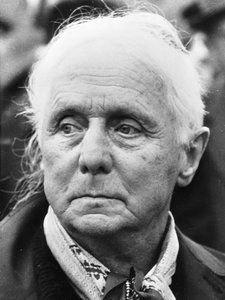
1891 - 1976 , Tyskland


Hold deg oppdatert med de siste kunstnyhetene, eksklusive tilbud og dekorasjonsideer.
Fortell oss om prosjektet ditt, så vil våre kunsteksperter gi deg 3 personlige kunstforslag.
Vi velger ut 3 alternativer kun for deg – helt gratis!


 Forhåndsvisning
 Send
Send Del med andre
 Vis detaljer

 Last ned bildet
 Liknende objekter
 Røntgenundersøkelse
 Lysbildefremvisning
 Vis hele teksten


