x


 French Baroque
 1625
1625 79.0 x 152.0 cm
Giclée- eller lerretsprint av museumskvalitet med rask produksjon og fleksible valgmuligheter for etterbehandling. ( Bytt til håndmalt maleri Bytt til bilde)





























Velg mellom våre forhåndsdefinerte størrelser som bevarer kunstverkets opprinnelige proporsjoner.

Du kan oppgi egne mål for å tilpasse en spesifikk ramme eller et bestemt område. Dersom den valgte størrelsen ikke samsvarer med det originale bildets proporsjoner, vil vi enten beskjære kunstverket eller utvide bildet med en speilet eller ensfarget kant. En digital mockup vil bli sendt til din godkjenning før produksjonen starter.
Vennligst merk at forhåndsvisningen på skjermen ikke gjenspeiler den faktiske beskjæringen eller utvidelsen. Kun mockuppen vil vise den endelige komposisjonen nøyaktig.
Selv om tilpassede størrelser er tilgjengelige, anbefaler vi å velge et mål fra den forhåndsdefinerte listen for å bevare de originale proporsjonene.
Verdensomspennende levering () på 2 uker i stedet for standard 4/5 uker. (4 August)


Cephalus and Aurora
Størrelse på reproduksjon
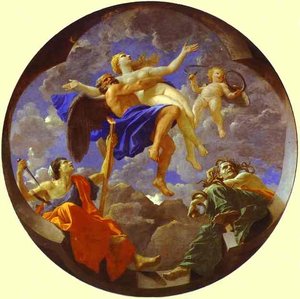
Nicolas Poussin's *Cephalus and Aurora*, painted in 1625, is more than just a depiction of mythological figures; it’s a profound meditation on love, loss, and the delicate dance between waking and dreaming. This oil-on-canvas masterpiece, measuring 79 x 152 cm, exemplifies Poussin's signature style – a harmonious blend of classical restraint and vibrant color, meticulously crafted to evoke both intellectual contemplation and emotional resonance. Born in Le Havre, France, Poussin’s early artistic journey was shaped by the influence of Venetian masters like Titian, yet he swiftly developed his own distinct voice, prioritizing clarity, order, and a deep engagement with the principles of classical art.
The scene unfolds within a carefully constructed landscape, dominated by a gently sloping hillside that draws the eye towards a distant river. At its heart stands Cephalus, an Athenian prince, holding aloft a torch – a symbol of both illumination and impending departure. He’s captivated by Aurora, the Roman goddess of dawn, who sits gracefully beside him, her hand tenderly resting on his arm. The composition is remarkably balanced, utilizing diagonal lines to create a sense of movement and depth, while simultaneously maintaining an overall feeling of serene equilibrium. Poussin's mastery lies in his ability to imbue seemingly simple figures with profound psychological weight.
The story depicted is drawn from Ovid’s *Metamorphoses*, a cornerstone of classical literature. Cephalus, having lost his beloved Procris to the sea god Oceanus, is now confronted by Aurora, representing the promise of a new dawn and perhaps, a fleeting solace. The presence of the young Cupid, subtly positioned behind Aurora, adds another layer of complexity – he’s not merely a symbol of love but also a reminder of the ever-present potential for heartbreak. The inclusion of the river deity reclining in the distance further reinforces this duality, suggesting both the restorative power of nature and the inevitability of change.
Poussin's use of color is particularly noteworthy. The warm hues of Aurora’s gown contrast beautifully with the cooler tones of the landscape, creating a visual harmony that mirrors the emotional tension within the scene. The subtle gradations of light and shadow – a hallmark of Poussin’s technique – contribute to the painting’s atmospheric depth and sense of realism. He masterfully employs *chiaroscuro*, using dramatic contrasts between light and dark to sculpt the figures and define their forms, adding volume and presence to each element.
*Cephalus and Aurora* stands as a pivotal work in the development of classical French Baroque art. Poussin’s meticulous attention to detail, his profound understanding of classical mythology, and his innovative use of composition and color established him as one of the most influential artists of his time. His paintings weren't simply decorative; they were intellectual exercises, designed to engage the viewer in a dialogue with the past and explore fundamental questions about human experience.
The painting’s influence can be seen throughout subsequent generations of European artists. Its emphasis on clarity, order, and harmonious composition became a defining characteristic of the Neoclassical movement, while its exploration of mythological themes continued to inspire countless works of art. Today, *Cephalus and Aurora* remains a testament to Poussin’s genius – a timeless masterpiece that continues to captivate and move viewers with its serene beauty and profound emotional depth. Hand-painted reproductions on Most-Famous-Paintings.com offer an exceptional opportunity to bring this iconic work into your home or studio, allowing you to appreciate the artistry of Nicolas Poussin in exquisite detail.


1594 - 1665 , Frankrike

Oppdag de 25 mest ikoniske kunstverkene fra Metropolitan Museum of Art i New York! Lær historien bak Rembrandt, Van Gogh, Monet og mer. Finn inspirasjon til interiøret ditt med museumskvalitets reproduksjoner på Most-Famous-Paintings.com.

Oppdag 10 klassiske kunstverk som definerer tidløs skjønnhet! Lær historien bak berømte malerier fra renessansen, impresjonismen og romantikken. Finn inspirasjon til interiøret ditt & kjøp museumskvalitets reproduksjoner på Most-Famous-Paintings.no – din kilde for kunst.
Oppdag de 25 mest ikoniske kunstverkene på National Gallery of Art i Washington! Fra Cézanne til Picasso – utforsk historien, teknikken og skjønnheten bak hvert mesterverk. Finn inspirasjon til interiøret ditt og kjøp museumskvalitets reproduksjoner på Most-Famous-Paintings.com.

Utforsk de 25 mest ikoniske kunstverkene på Detroit Institute of Arts! Oppdag Van Gogh, Monet, Rembrandt og mer. Historier bak mesterverkene – perfekt for interiørdesign & inspirasjon. Finn reproduksjoner av høy kvalitet på Most-Famous-Paintings.com.
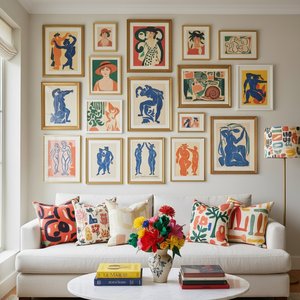
Utforsk 25 ikoniske malerier av Henri Matisse! Oppdag historien bak fauvismens fargerike mesterverk, fra 'The Dance' til 'Red Studio'. Finn kunsttrykk og reproduksjoner i museumskvalitet for din interiørdesign på Most-Famous-Paintings.com.


Hold deg oppdatert med de siste kunstnyhetene, eksklusive tilbud og dekorasjonsideer.
Fortell oss om prosjektet ditt, så vil våre kunsteksperter gi deg 3 personlige kunstforslag.
Vi velger ut 3 alternativer kun for deg – helt gratis!


 Forhåndsvisning
 Send
Send Del med andre
 Vis detaljer

 Last ned bildet
 Liknende objekter
 Røntgenundersøkelse
 Lysbildefremvisning
 Vis hele teksten







 Glassalternativet er kun tilgjengelig i størrelser under 110 cm