x

Giclée- eller lerretsprint av museumskvalitet med rask produksjon og fleksible valgmuligheter for etterbehandling. ( Kjøp håndlaget maleri Kjøp bilde)





























Velg mellom våre forhåndsdefinerte størrelser som bevarer kunstverkets opprinnelige proporsjoner.

Du kan oppgi egne mål for å tilpasse en spesifikk ramme eller et bestemt område. Dersom den valgte størrelsen ikke samsvarer med det originale bildets proporsjoner, vil vi enten beskjære kunstverket eller utvide bildet med en speilet eller ensfarget kant. En digital mockup vil bli sendt til din godkjenning før produksjonen starter.
Vennligst merk at forhåndsvisningen på skjermen ikke gjenspeiler den faktiske beskjæringen eller utvidelsen. Kun mockuppen vil vise den endelige komposisjonen nøyaktig.
Selv om tilpassede størrelser er tilgjengelige, anbefaler vi å velge et mål fra den forhåndsdefinerte listen for å bevare de originale proporsjonene.
Verdensomspennende levering () på 2 uker i stedet for standard 4/5 uker. (18 August)


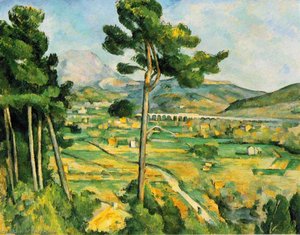
The Four Seasons, Spring
Størrelse på reproduksjon
Paul Cézanne's “The Four Seasons, Spring,” painted in 1861, isn’t merely a depiction of a pastoral scene; it’s an immersion into the artist’s intensely personal vision of nature and the human experience. This work, part of a quartet exploring the seasons, stands apart from its companions with a captivating blend of Romanticism and nascent Modernism—a foreshadowing of the radical shifts to come in 20th-century art. The painting immediately draws the eye with its vibrant palette – a symphony of greens, reds, and blues that evoke the burgeoning life of springtime. Yet, it’s not simply a celebration of color; Cézanne employs it strategically, layering hues to create an illusion of depth and movement, hinting at the dynamism beneath the tranquil surface.
At the heart of the composition stands a woman, draped in a flowing crimson gown, her arms raised as if caught in a moment of ecstatic dance. Her posture suggests both vulnerability and strength, inviting the viewer to contemplate her role within this carefully constructed world. The placement of two vases, stacked one atop the other, adds an intriguing element of formal structure to the scene – a deliberate counterpoint to the organic forms surrounding them. These aren’t merely decorative objects; they act as anchors, grounding the composition and subtly directing the eye through the painting.
Cézanne’s work is deeply rooted in Romanticism, a movement that prioritized emotion and imagination over strict realism. The dreamy quality of “The Four Seasons, Spring,” with its soft lighting and evocative atmosphere, reflects this influence. However, unlike the often-melancholic themes of Romanticism, Cézanne imbues his painting with an underlying sense of vitality and optimism. He’s not simply depicting a scene; he's capturing a feeling—the joyous exuberance of renewal.
It’s crucial to note that Cézanne was simultaneously engaged with the burgeoning Impressionist movement, yet he deliberately pushed beyond its purely optical concerns. While Impressionists sought to capture fleeting moments of light and color, Cézanne focused on the underlying structure of objects—the geometric forms that define their essence. This is evident in his use of broken brushstrokes and flattened planes of color, creating a sense of solidity and permanence within the painting. He was bridging the gap between the ephemeral and the enduring, a hallmark of his unique style.
The woman’s gesture—arms raised in an apparent dance or ritual—is laden with symbolic meaning. Some art historians interpret this as a representation of fertility and rebirth, aligning with the theme of spring. The red dress itself is often associated with passion, vitality, and the life force – further reinforcing this interpretation. The stacked vases could symbolize abundance and prosperity, mirroring the flourishing growth of nature during this season.
Furthermore, consider the background—the grassy expanse and distant landscape. These elements aren’t merely decorative; they contribute to the painting's overall sense of depth and perspective. Cézanne meticulously studied the effects of light and shadow, employing a technique known as “alla prima” – working directly onto the canvas without underdrawing – to achieve this remarkable realism. The composition feels both intimate and expansive, drawing the viewer into a world where art and nature converge.
Initially, Cézanne’s work was met with skepticism and criticism, dismissed by some as overly unconventional. However, his influence on subsequent generations of artists—including Picasso and Matisse—is undeniable. He paved the way for Cubism and other radical movements that challenged traditional notions of representation. “The Four Seasons, Spring” stands as a testament to Cézanne’s revolutionary vision – a painting that continues to captivate viewers with its beauty, complexity, and profound emotional resonance. Reproductions offer an accessible gateway to experiencing this pivotal work of art, allowing us to appreciate the genius of Paul Cézanne in our own homes.


1839 - 1906 , Frankrike

Explore the profound emotional depth of the Romanticism art movement. Discover how masters like Delacroix and Friedrich captured the sublime through passion, nature, and intuition in this definitive guide for history lovers and art collectors.


Hold deg oppdatert med de siste kunstnyhetene, eksklusive tilbud og dekorasjonsideer.
Fortell oss om prosjektet ditt, så vil våre kunsteksperter gi deg 3 personlige kunstforslag.
Vi velger ut 3 alternativer kun for deg – helt gratis!


 Forhåndsvisning
 Send
Send Del med andre
 Vis detaljer

 Last ned bildet
 Liknende objekter
 Røntgenundersøkelse
 Lysbildefremvisning

 Vis hele teksten







 Glassalternativet er kun tilgjengelig i størrelser under 110 cm