x

 BlyantExpressionist Abstraction
 1926Moderne
 24.0 x 31.0 cm
 Museum of Fine Arts
Håndmalt olje på lerret i din valgte størrelse og ramme, laget på bestilling av våre kunstnere. ( Bytt til trykk Bytt til bilde)





























Velg mellom våre forhåndsdefinerte størrelser som bevarer kunstverkets opprinnelige proporsjoner.

Du kan angi egne mål for å tilpasse en spesifikk ramme eller plass. Dersom den valgte størrelsen ikke samsvarer med originalbildets proporsjoner, vil vi enten beskjære kunstverket eller utvide maleriet med ytterligere håndmalte elementer. En digital mockup vil bli sendt til din godkjenning før produksjonen starter.
Vennligst merk at forhåndsvisningen på skjermen ikke gjenspeiler den faktiske beskjæringen eller utvidelsen. Kun mockuppen vil vise den endelige komposisjonen nøyaktig.
Selv om tilpassede størrelser er tilgjengelige, anbefaler vi å velge et mål fra den forhåndsdefinerte listen for å bevare de originale proporsjonene.
Verdensomspennende levering () på 3–4 uker i stedet for standard 5 uker. (10 August). Ingen kompromisser med kvaliteten.


Serpent
Størrelse på reproduksjon
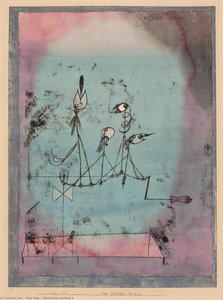
In the quiet, monochromatic realm of Paul Klee’s 1926 masterpiece, Serpent (also known as Schlangenbeute), a primal drama unfolds with breathtaking subtlety. This graphite drawing is far more than a mere sketch of nature; it is a profound exploration of tension and the delicate balance between predator and prey. As the eye first meets the composition, one is immediately struck by the dramatic asymmetry that defines Klee’s vision. A sinuous, powerful serpent dominates the left side of the frame, its body curving with an almost musical rhythm that guides the viewer deeper into the shadows. On the lower right, a small, vulnerable rodent sits in stark contrast, appearing fragile and isolated against the encroaching darkness. This deliberate arrangement creates an immediate sense of visual weight and psychological suspense, inviting anyone who views it to hold their breath alongside the tiny creature.
The technical mastery displayed in this work lies in Klee’s ability to breathe life into simple pencil strokes. Through a sophisticated application of hatching and cross-hatching, the artist builds a rich tapestry of textures that defy the limitations of a grayscale palette. The serpent’s scales are rendered with a rhythmic complexity, where layers of graphite create depth, roughness, and a sense of muscular movement. These lines do not merely outline a shape; they vibrate with an expressive energy characteristic of Klee’s unique style—a blend of abstraction and expressionism that feels both primitive and highly intellectual. The interplay of light and shadow is masterful, as if a single, unseen light source from above is casting the serpent into sharp relief while allowing the edges of the composition to dissolve into mystery.
Beyond its physical form, Serpent serves as a vessel for profound symbolic resonance. For Klee, the serpent was a recurring motif capable of embodying the dualities of existence: wisdom and temptation, transformation and destruction. The coiled posture of the predator suggests a latent power, a moment of stillness before the strike that mirrors the precariousness of life itself. In this way, the artwork transcends its subject matter to become a meditation on the eternal struggle between opposing forces. The rodent, representing innocence and the ephemeral nature of life, provides the emotional anchor for the piece, evoking a deep sense of empathy in the observer. This tension between the imposing and the fragile makes the work an incredibly evocative piece for contemplation.
For the discerning collector or interior designer, this reproduction offers a sophisticated touch of intellectual depth to any curated space. Its monochromatic elegance allows it to integrate seamlessly into modern, minimalist, or classical environments, acting as a focal point that stimulates conversation and thought. Whether placed in a quiet study, a contemporary gallery-style living room, or a professional design studio, the piece brings with it the storied legacy of one of the 20th century's most influential visionaries. Owning a high-quality reproduction of this Klee treasure is not merely about decorating a wall; it is about inviting a timeless, rhythmic energy into one’s surroundings—a piece that captures the very essence of movement, shadow, and the beautiful, terrifying dance of instinct.


1879 - 1940 , Sveits

Explore the captivating world of grayscale art! Discover iconic paintings, master techniques like chiaroscuro, & the psychology of tone. Find museum-quality reproductions to elevate your home décor at Most-Famous-Paintings.

Explore the power of muted colors in art! Discover the history, psychology & techniques behind serene palettes. Find inspiration & expert advice for creating emotionally resonant spaces with Most-Famous-Paintings.

Explore the captivating world of muted colors in art & design! Discover historical context, psychological effects, techniques, and inspiration for creating serene spaces. Elevate your aesthetic with Most-Famous-Paintings.

Utforsk topp 10 malerier dominert av sandtoner! Oppdag historien bak ikoniske kunstverk fra impresjonisme til renessanse. Finn inspirasjon for interiørdesign og kjøp museumskvalitets reproduksjoner på Most-Famous-Paintings.com – din kilde til tidløs kunst.

Oppdag Claude Monets 25 mest ikoniske malerier! Fordyp deg i impressionismens verden, fra vannliljer til soleiloppgang. Historien bak kunsten & eksklusive reproduksjoner på Most-Famous-Paintings.no – for et kunstfullt hjem.


Hold deg oppdatert med de siste kunstnyhetene, eksklusive tilbud og dekorasjonsideer.
Fortell oss om prosjektet ditt, så vil våre kunsteksperter gi deg 3 personlige kunstforslag.
Vi velger ut 3 alternativer kun for deg – helt gratis!


 Send
Send Del med andre
 Vis detaljer

 Last ned bildet
 Liknende objekter
 Lysbildefremvisning
 Vis hele teksten







 Glassalternativet er kun tilgjengelig i størrelser under 110 cm