


x
Kjøp et høyoppløselig, forbedret digitalt bilde som er langt bedre enn forhåndsvisningen på nettet.
Hver fil er omhyggelig klargjort av våre egne spesialister ved hjelp av avanserte verktøy og profesjonell manuell retusjering. Vi sørger for at hvert bilde har eksepsjonell klarhet, presis fargegjengivelse og fine detaljer.
Den endelige filen leveres via e-post innen 72 timer, optimalisert for umiddelbar bruk i profesjonelle, redaksjonelle og trykte miljøer. Dette er den samme kvaliteten som benyttes av ledende designstudioer, utgivere og gallerier.
Last ned en høyoppløselig fil for personlig bruk, utskrift og kreative prosjekter. ( Kjøp trykk Kjøp håndlaget maleri)
Når du velger Most-Famous-Paintings.com, får du ikke bare et bilde – du mottar et profesjonelt forbedret digitalt kunstverk, skapt med presisjon og med en garantert tilfredshetsgaranti. Her er alt som automatisk følger med din bestilling:

Din høyoppløselige digitale bildefil sendes til din e-post innen 72 timer etter bestilling – klar til umiddelbar bruk.

Ditt kunstverk blir profesjonelt optimalisert ved hjelp av avanserte AI-verktøy og manuell redigering, noe som sikrer maksimal detaljrikdom, klarhet og fargegjengivelse.

Har du ved et uhell slettet eller mistet filen din? Ingen bekymring – vi sender den på nytt når som helst, helt gratis.

Nyt ditt kunstverk umiddelbart uten toll, avgifter eller leveringskostnader – digitale nedlastinger er alltid avgiftsfrie.

Vi sikrer at ditt digitale bilde gjenspeiler de originale fargene så nøyaktig som mulig ved hjelp av profesjonelle verktøy og fargehåndtering.

Hvis du ikke er fornøyd med ditt digitale bilde, vil vi revidere det eller refundere 100% innen 60 dager – uten spørsmål.

Ikke fornøyd? Få full refusjon innen 60 dager etter at du har mottatt din digitale fil – uten spørsmål.

Kjøp 3 bilder, spar 10% - Kjøp 5, spar 15% - Kjøp 10+, spar 20%. Ideelt for kreative prosjekter, gallerier og byråer.

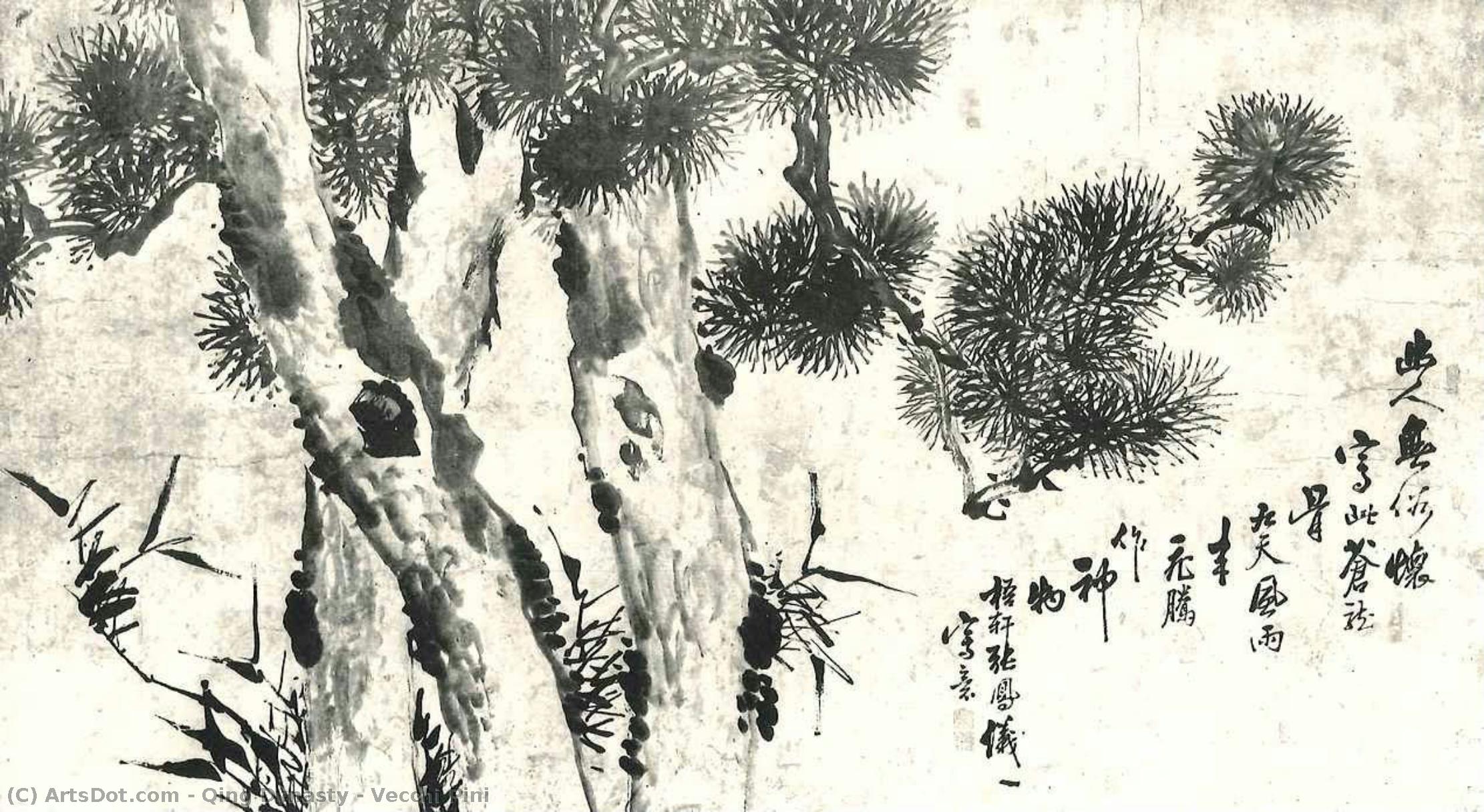
The Qing Dynasty (1644–1912), often referred to as the Great Qing, represents one of the most profound and visually spectacular chapters in the long tapestry of Chinese history. It was an era defined by a complex synthesis of Manchu ambition and the deep-rooted traditions of Han Chinese culture. Emerging from the turbulent collapse of the Ming Dynasty, the Manchus established a new imperial order centered in Beijing, creating a period of unprecedented cultural production that would eventually leave an indelible mark on the global perception of Chinese aesthetics. This was not merely a time of political consolidation but a golden age of artistic innovation, where the boundaries between decorative splendor and fine art often blurred into a single, magnificent expression of imperial power.
The artistic foundations of this era were built upon a meticulous reverence for the past, yet they were simultaneously propelled by a spirit of adaptation. Early Qing painters, many of whom served within the prestigious Imperial Court, drew their strength from the classical techniques perfected during the preceding Ming period. They mastered the delicate balance of brushwork, color palettes, and compositional principles rooted in Daoist philosophy and Confucian ideals of harmony. As the dynasty progressed, the influence of Zen Buddhism introduced a new layer of emotional depth to the canvas, encouraging artists to capture the spontaneous essence of nature through the Xieyi style—a method that prioritized the "spirit" of the subject over mere anatomical or botanical accuracy.
One of the most enduring legacies of the Qing era lies in the breathtaking precision of the Gongbi painting style. This meticulous approach to art demanded extraordinary patience and technical skill, as painters employed layered brushstrokes and vibrant pigments to achieve a level of realism that felt almost luminous. Artists such as Tingqua became renowned for these highly detailed works, which often featured delicate flora and fauna rendered with such clarity that they became sought-after treasures in Western collections. This period saw the artist's hand working in perfect concert with nature, capturing every nuance of texture, from the softest petal to the ruggedness of ancient stone.
Beyond the realm of paper and silk, the Qing Dynasty achieved a zenith in the production of ceramics that remains unsurpassed. The imperial porcelain capital of Jingdezhen became a crucible of innovation, producing vessels that were as much sculptural masterpieces as they were functional objects. During the Kangxi reign (1662–1722), the creation of magnificent blue and gold wares showcased a sophisticated palette that evoked both tranquility and luxury. The introduction of "soft paste" techniques around 1700 AD allowed for even more daring and intricate designs, embodying the era's characteristic blend of technical experimentation and refined elegance.
The significance of Qing Dynasty art extends far beyond its aesthetic beauty; it serves as a vital historical record of a changing world. The era witnessed a fascinating dialogue between traditional Chinese values and burgeoning Western influences, particularly through the flourishing of export paintings that catered to a global market. This period of intense cultural production reflected the empire's vast territorial reach—stretching from the Sea of Japan to the Pamir Mountains—and its ability to absorb diverse influences into a cohesive imperial identity.
As the dynasty approached its twilight in the early 20th century, the art continued to evolve, reflecting the social shifts and the eventual transition toward the Republic of China. The works produced during this time remain essential for understanding the evolution of East Asian aesthetics. Whether through the monumental landscapes that spoke of eternal order or the delicate porcelain that whispered of imperial grace, the art of the Great Qing remains a testament to a civilization at its most visually opulent and culturally complex.

1644 - 1911 , China


Hold deg oppdatert med de siste kunstnyhetene, eksklusive tilbud og dekorasjonsideer.
Fortell oss om prosjektet ditt, så vil våre kunsteksperter gi deg 3 personlige kunstforslag.
Vi velger ut 3 alternativer kun for deg – helt gratis!


 Forhåndsvisning
 Send
Send Del med andre
 Vis detaljer

 Last ned bildet
 Liknende objekter
 Røntgenundersøkelse
 Lysbildefremvisning
 Vis hele teksten





