x

 Acrylic On CanvasWallArtSurrealism
 1926
1926 75.0 x 65.0 cm
Giclée- eller lerretsprint av museumskvalitet med rask produksjon og fleksible valgmuligheter for etterbehandling. ( Kjøp håndlaget maleri Kjøp bilde)





























Velg mellom våre forhåndsdefinerte størrelser som bevarer kunstverkets opprinnelige proporsjoner.

Du kan oppgi egne mål for å tilpasse en spesifikk ramme eller et bestemt område. Dersom den valgte størrelsen ikke samsvarer med det originale bildets proporsjoner, vil vi enten beskjære kunstverket eller utvide bildet med en speilet eller ensfarget kant. En digital mockup vil bli sendt til din godkjenning før produksjonen starter.
Vennligst merk at forhåndsvisningen på skjermen ikke gjenspeiler den faktiske beskjæringen eller utvidelsen. Kun mockuppen vil vise den endelige komposisjonen nøyaktig.
Selv om tilpassede størrelser er tilgjengelige, anbefaler vi å velge et mål fra den forhåndsdefinerte listen for å bevare de originale proporsjonene.
Verdensomspennende levering () på 2 uker i stedet for standard 4/5 uker. (14 August)


The conqueror
Størrelse på reproduksjon
René Magritte’s “The Conqueror,” painted in 1926, stands as a deceptively simple yet profoundly unsettling emblem of existential questioning. This artwork immediately grabs the viewer's attention with its striking visual paradox – a man dressed impeccably in formal attire, complete with bow tie and suit jacket, is obscured by a wooden box that covers his face.
Historical Context: Created during the height of Surrealist experimentation—a movement spearheaded by André Breton— “The Conqueror” reflects the broader intellectual currents of the era. Surrealists sought to liberate thought from rational constraints, exploring subconscious desires and anxieties through fantastical imagery. Magritte’s work aligns with this ethos, questioning accepted notions of perception and challenging viewers to confront hidden layers of meaning.
Symbolism & Interpretation: The wooden box covering the man's face is arguably the painting’s central symbol—representing concealment, repression, and perhaps the suppression of identity. It suggests that what we perceive as “reality” may be merely a façade concealing deeper truths. The mountainous landscape serves as a counterpoint to this confinement, symbolizing resilience, permanence, and the enduring power of nature. Magritte deliberately avoids providing definitive answers, inviting contemplation about the complexities of human experience.
Emotional Impact: "The Conqueror" evokes a palpable sense of unease and intrigue. Its quiet stillness belies its intellectual depth, prompting viewers to consider questions of selfhood and the limitations of conscious awareness. The artwork’s understated beauty underscores the unsettling nature of its message—a reminder that appearances can deceive and that true understanding requires venturing beyond the surface.

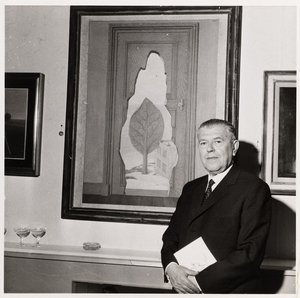
1898 - 1967 , Belgia

Explore the profound depths of Surrealism. From Dalí’s dreamscapes to Magritte’s enigmas, master the history of the subconscious mind through our expert art guide and discover museum-quality oil reproductions of the world's most iconic surrealist masterpieces.

Explore the profound depths of Surrealism with our expert guide. From Dalí's dreamscapes to Breton's manifesto, uncover the history, symbolism, and technical mastery of this revolutionary movement. Perfect for students and collectors seeking deep art-historical insight.


Hold deg oppdatert med de siste kunstnyhetene, eksklusive tilbud og dekorasjonsideer.
Fortell oss om prosjektet ditt, så vil våre kunsteksperter gi deg 3 personlige kunstforslag.
Vi velger ut 3 alternativer kun for deg – helt gratis!


 Forhåndsvisning
 Send
Send Del med andre
 Vis detaljer

 Last ned bildet
 Liknende objekter
 Røntgenundersøkelse
 Lysbildefremvisning
 Vis hele teksten







 Glassalternativet er kun tilgjengelig i størrelser under 110 cm