


x

Giclée- eller lerretsprint av museumskvalitet med rask produksjon og fleksible valgmuligheter for etterbehandling. ( Kjøp håndlaget maleri Kjøp bilde)





























Velg mellom våre forhåndsdefinerte størrelser som bevarer kunstverkets opprinnelige proporsjoner.

Du kan oppgi egne mål for å tilpasse en spesifikk ramme eller et bestemt område. Dersom den valgte størrelsen ikke samsvarer med det originale bildets proporsjoner, vil vi enten beskjære kunstverket eller utvide bildet med en speilet eller ensfarget kant. En digital mockup vil bli sendt til din godkjenning før produksjonen starter.
Vennligst merk at forhåndsvisningen på skjermen ikke gjenspeiler den faktiske beskjæringen eller utvidelsen. Kun mockuppen vil vise den endelige komposisjonen nøyaktig.
Selv om tilpassede størrelser er tilgjengelige, anbefaler vi å velge et mål fra den forhåndsdefinerte listen for å bevare de originale proporsjonene.
Verdensomspennende levering () på 2 uker i stedet for standard 4/5 uker. (23 August)


Virgin and Child
Størrelse på reproduksjon
In the quiet stillness of the mid-fifteenth century, one of history’s most emotive masters, Rogier van der Weyden, captured a moment that transcends the boundaries of time. His Virgin and Child is far more than a mere religious icon; it is a profound meditation on motherhood, divinity, and the tender vulnerability of faith. As you gaze upon this masterpiece, you are drawn into a sacred space where the earthly and the divine blur into a single, breathtaking encounter. The painting presents the Virgin Mary with a regal yet deeply human grace, cradling the infant Jesus in an embrace that feels both monumental and incredibly private.
The composition is anchored by a sense of profound stability and spiritual weight. Set within an elaborate, ornate architectural framework—a hallmark of the Early Netherlandish style—the figures are framed by columns and arches that suggest a celestial sanctuary. This architectural grandeur does not merely serve as a backdrop; it creates a palpable sense of depth, drawing the viewer’s eye inward toward the central figures. The distant cityscape visible through the structure serves as a subtle reminder of the world outside this holy enclosure, contrasting the eternal peace of the Madonna with the bustling reality of human existence.
What truly distinguishes Van der Weyden’s work is his unparalleled dedication to meticulous detail and a startlingly realistic portrayal of the physical world. Having likely trained as a goldsmith, the artist brought a jeweler's precision to the oil medium. Every crease in Mary’s heavy robes, every subtle nuance of light reflecting off her skin, and every delicate fold of fabric is rendered with an astonishing accuracy that was revolutionary for its time. This technique, known as Early Netherlandish Realism, allows the viewer to almost feel the weight of the velvet and the smoothness of the Christ Child's flesh.
The use of light and shadow—chiaroscuro in its early, nuanced form—is employed to sculpt volume and texture. Light does not simply illuminate the scene; it breathes life into it, catching the edges of architectural elements and highlighting the tender interaction between mother and child. This careful observation of materials and anatomy reflects a broader humanist impulse of the era, where empirical knowledge of the natural world was used to enhance, rather than diminish, religious devotion.
For the art lover, the collector, or the interior designer, a reproduction of this caliber offers more than just visual beauty; it offers an atmosphere of reverence and tranquility. The painting’s symmetrical arrangement and balanced composition make it a sophisticated focal point for any curated space, whether in a classical study or a contemporary gallery-style living room. Its ability to evoke emotion—ranging from the solemnity of prayer to the warmth of maternal love—ensures that it remains a conversation piece that resonates across generations.
Integrating such a work into a collection allows one to possess a fragment of the Northern Renaissance's golden age. The deep textures and rich, somber tones provide a sense of historical continuity and intellectual depth. To display this Virgin and Child is to invite a sense of peace and contemplative beauty into an environment, celebrating the enduring power of human craftsmanship and the eternal themes of love and devotion.

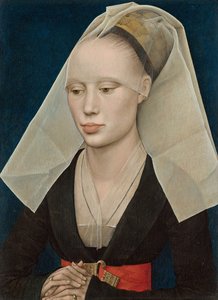
1400 - 1464 , Belgia

Explore the profound beauty of the Early Netherlandish Renaissance. Discover how masters like Jan van Eyck revolutionized art through oil painting, light, and symbolism. A definitive guide for history lovers and collectors seeking to understand the Northern Renaissance.

Explore the profound beauty of Early Netherlandish art. Discover how masters like Jan van Eyck revolutionized realism through oil painting, symbolism, and light. A definitive guide for history lovers seeking to understand the soul of the Northern Renaissance.

Explore the luminous mastery of Early Netherlandish painting. Discover how Jan van Eyck and the Flemish masters revolutionized art through oil innovation, hyper-realism, and profound symbolism in this expert guide to the Northern Renaissance.


Hold deg oppdatert med de siste kunstnyhetene, eksklusive tilbud og dekorasjonsideer.
Fortell oss om prosjektet ditt, så vil våre kunsteksperter gi deg 3 personlige kunstforslag.
Vi velger ut 3 alternativer kun for deg – helt gratis!


 Forhåndsvisning
 Send
Send Del med andre
 Vis detaljer

 Last ned bildet
 Liknende objekter
 Røntgenundersøkelse
 Lysbildefremvisning

 Vis hele teksten







 Glassalternativet er kun tilgjengelig i størrelser under 110 cm


