


x

Håndmalt olje på lerret i din valgte størrelse og ramme, laget på bestilling av våre kunstnere. ( Bytt til trykk Bytt til bilde)





























Velg mellom våre forhåndsdefinerte størrelser som bevarer kunstverkets opprinnelige proporsjoner.

Du kan angi egne mål for å tilpasse en spesifikk ramme eller plass. Dersom den valgte størrelsen ikke samsvarer med originalbildets proporsjoner, vil vi enten beskjære kunstverket eller utvide maleriet med ytterligere håndmalte elementer. En digital mockup vil bli sendt til din godkjenning før produksjonen starter.
Vennligst merk at forhåndsvisningen på skjermen ikke gjenspeiler den faktiske beskjæringen eller utvidelsen. Kun mockuppen vil vise den endelige komposisjonen nøyaktig.
Selv om tilpassede størrelser er tilgjengelige, anbefaler vi å velge et mål fra den forhåndsdefinerte listen for å bevare de originale proporsjonene.
Verdensomspennende levering () på 3–4 uker i stedet for standard 5 uker. (31 July). Ingen kompromisser med kvaliteten.


Krigar
Størrelse på reproduksjon
Salvator Rosa's "Warrior," a captivating depiction of a solitary figure engaged in contemplation amidst a rugged landscape, embodies the spirit of Baroque artistry and offers a glimpse into the psychological complexities explored by one of Italy’s most influential painters. Executed sometime around 1640-1650, this artwork transcends mere representation; it's an invitation to delve into themes of introspection, duty, and the enduring human connection with nature—elements deeply rooted in Rosa’s philosophical leanings and artistic vision.
Rosa’s distinctive style is immediately recognizable through his masterful manipulation of chiaroscuro – the dramatic interplay between light and shadow – a hallmark technique perfected during the Baroque period. The painting utilizes a muted palette dominated by earthy tones, primarily browns and ochres, which serve to heighten the impact of the stark contrasts that define the composition. Brushstrokes are loose and expressive, conveying movement and texture with remarkable immediacy. Unlike the polished surfaces favored by artists like Rembrandt or Rubens, Rosa deliberately incorporates visible brushwork, mirroring the turbulent spirit of his time and reflecting a rejection of academic conventions. This textural richness contributes to an overall sense of realism, grounding the figure within a palpable environment.
Rosa’s artistic output coincided with a period marked by significant political upheaval in Italy – the Thirty Years' War – influencing his preoccupation with themes of heroism and moral fortitude. The painting speaks to the broader humanist concerns prevalent during the Renaissance, albeit filtered through the lens of Baroque sensibility. Rosa’s fascination with mythology and allegory is evident in the landscape itself, which subtly references classical motifs symbolizing resilience and spiritual contemplation. The warrior’s posture—upright but relaxed—suggests a readiness for action tempered by inner peace, mirroring the ideal of virtuous leadership championed during the era.
The central figure's gaze downwards is particularly noteworthy, conveying a profound sense of introspection and perhaps even melancholy. This deliberate avoidance of direct eye contact invites viewers to consider the warrior’s inner world—his thoughts, emotions, and motivations—rather than simply observing his physical presence. The sword held in his right hand symbolizes power and responsibility, yet its resting position on his thigh underscores the burden of duty and the quiet fortitude required to confront challenges head-on. Simultaneously, the rugged landscape serves as a counterpoint to the figure’s stillness, representing the enduring forces of nature—a reminder that even amidst turmoil, beauty and contemplation persist.
Ultimately, “Warrior” succeeds in capturing a powerful emotional resonance. It's not a depiction of triumphant battle or heroic action; instead, it presents a portrait of quiet dignity and profound thoughtfulness. Rosa’s ability to convey psychological depth through visual means—a skill honed by his engagement with philosophical ideas—elevates the artwork beyond mere aesthetic pleasure. The painting lingers in the viewer’s mind long after viewing, prompting reflection on themes of courage, resilience, and the importance of inner harmony. It stands as a testament to Rosa's enduring legacy as an artist who dared to explore the complexities of human experience with unparalleled sensitivity and conviction.


1615 - 1673 , Italia

Explore the captivating world of chiaroscuro & tenebrism! Discover Caravaggio's influence, Baroque masters, and the enduring power of dramatic lighting in art history. Learn about these techniques with Most-Famous-Paintings.

Utforsk de 10 mest ikoniske portrettmaleriene gjennom historien! Fra Mona Lisa til Klimts Adele Bloch-Bauer, lær om kunstnerne og teknikkene bak disse mesterverkene. Finn museumskvalitets reproduksjoner & interiørinspirasjon på Most-Famous-Paintings.com.

Opplev barokkens prakt! Utforsk 10 ikoniske malerier av Karavaggio, Rembrandt og Vermeer. Lær om kunsthistorien bak mesterverkene og finn inspirasjon til interiøret ditt. Museumskvalitet reproduksjoner på Most-Famous-Paintings.com
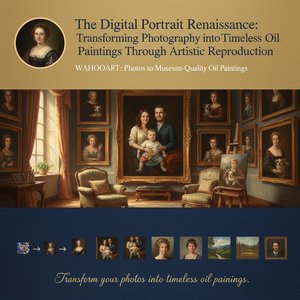
Transform your cherished photos into timeless oil paintings with Most-Famous-Paintings's expert artists. Museum-quality reproductions & custom portraits, crafted to last a lifetime. Discover the art of personal legacy.

Explore the captivating world of chiaroscuro & tenebrism! Discover Caravaggio's influence, Baroque masters, and the enduring power of dramatic lighting in art history. Learn about these techniques with Most-Famous-Paintings.


Hold deg oppdatert med de siste kunstnyhetene, eksklusive tilbud og dekorasjonsideer.
Fortell oss om prosjektet ditt, så vil våre kunsteksperter gi deg 3 personlige kunstforslag.
Vi velger ut 3 alternativer kun for deg – helt gratis!


 Forhåndsvisning
 Send
Send Del med andre
 Vis detaljer

 Last ned bildet
 Liknende objekter
 Røntgenundersøkelse
 Lysbildefremvisning

 Vis hele teksten







 Glassalternativet er kun tilgjengelig i størrelser under 110 cm


