x

Giclée- eller lerretsprint av museumskvalitet med rask produksjon og fleksible valgmuligheter for etterbehandling. ( Kjøp håndlaget maleri Kjøp bilde)





























Velg mellom våre forhåndsdefinerte størrelser som bevarer kunstverkets opprinnelige proporsjoner.

Du kan oppgi egne mål for å tilpasse en spesifikk ramme eller et bestemt område. Dersom den valgte størrelsen ikke samsvarer med det originale bildets proporsjoner, vil vi enten beskjære kunstverket eller utvide bildet med en speilet eller ensfarget kant. En digital mockup vil bli sendt til din godkjenning før produksjonen starter.
Vennligst merk at forhåndsvisningen på skjermen ikke gjenspeiler den faktiske beskjæringen eller utvidelsen. Kun mockuppen vil vise den endelige komposisjonen nøyaktig.
Selv om tilpassede størrelser er tilgjengelige, anbefaler vi å velge et mål fra den forhåndsdefinerte listen for å bevare de originale proporsjonene.
Verdensomspennende levering () på 2 uker i stedet for standard 4/5 uker. (20 August)


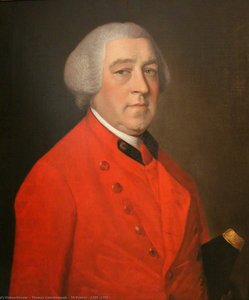
Giusto Ferdinando Tenducci
Størrelse på reproduksjon
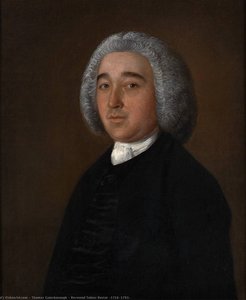
Thomas Gainsborough’s portrait of Giusto Ferdinando Tenducci, painted circa 1773-1775, is more than a simple likeness; it's a carefully constructed tableau brimming with the spirit and allure of the late 18th-century operatic world. The subject himself – a castrato opera singer renowned for his captivating voice and flamboyant personality – embodies a fascinating intersection of artistry, performance, and societal constraints. Tenducci’s stillness, captured in a moment of apparent repose, belies the vibrant energy he undoubtedly possessed on stage, suggesting a brief pause between performances or perhaps a quiet contemplation of his craft.
The painting immediately draws the eye to Tenducci's face – a study in serene composure. His eyes are closed, creating an intimate and almost melancholic effect, as if inviting the viewer into his inner world. The subtle curve of his lips hints at a gentle smile, suggesting a man accustomed to adoration and appreciative applause. Gainsborough masterfully utilizes light and shadow to sculpt Tenducci’s features, emphasizing the delicate structure of his face and the rich texture of his hair – meticulously powdered in the fashionable style of the era. The muted palette, dominated by browns, blues, and creams, contributes to a sense of understated elegance, allowing Tenducci's presence to command attention without resorting to overt display.
To fully appreciate this portrait, one must understand the context in which it was created. The 1770s marked a golden age for opera in Britain, fueled by Italian influence and a growing appetite among the aristocracy for lavish theatrical productions. Castrati singers – men who had undergone castration to preserve their vocal range and agility – were immensely popular, commanding enormous fees and attracting devoted audiences. Their voices, often described as possessing an ethereal quality, were considered uniquely beautiful and captivating.
Gainsborough’s fascination with music is evident throughout his oeuvre, and this portrait reflects a deep engagement with the cultural phenomenon of opera. He wasn't merely depicting a singer; he was capturing the essence of performance itself – the anticipation, the artistry, and the connection between performer and audience. The inclusion of the sheet music in Tenducci’s hand serves as a potent symbol of his profession, grounding the portrait within the world of musical creation.
Gainsborough’s technique is characterized by its loose brushwork and vibrant color palette. He employed a ‘broken’ style, layering thin washes of paint to create a sense of luminosity and movement. Notice the subtle variations in tone – the delicate highlights on Tenducci’s forehead, the soft shadows that define his features, and the hazy atmosphere surrounding him. These details contribute to the painting's remarkable depth and realism.
The composition is carefully balanced, with Tenducci positioned slightly off-center, creating a sense of dynamism. Gainsborough’s use of light is particularly noteworthy – it appears to emanate from the left side of the canvas, casting gentle shadows on the right, which adds depth and drama to the scene. The artist's signature, “Gainsborough,” is discreetly placed in the lower right corner, a testament to his confidence and skill.
Beyond its technical merits, this portrait resonates with profound symbolism. Tenducci’s closed eyes evoke a sense of introspection and vulnerability, suggesting that beneath the surface of performance lies a complex and perhaps melancholic soul. The sheet music represents not only his profession but also his passion and dedication to his art. The overall mood is one of quiet dignity and understated elegance – a testament to Gainsborough's ability to capture the essence of his subject with remarkable sensitivity.
This painting offers a rare glimpse into the world of Georgian opera, inviting us to contemplate the artistry, the social context, and the emotional depth of a truly exceptional performer. It’s a captivating work that continues to resonate with viewers today, reminding us of the enduring power of music and art to move and inspire.


1727 - 1788 , Storbritannia

Explore 25 iconic John Singer Sargent paintings – from dazzling portraits to Impressionist landscapes. Discover the stories behind Madame X, El Jaleo & more! Find museum-quality art reproductions and elevate your home decor with Most-Famous-Paintings.com.

Oppdag Rokokkoens 10 mest ikoniske mesterverk! Lær om Boucher, Fragonard og Watteau – kunsthistorie, pastellfarger & elegante interiører. Finn museumskvalitets reproduksjoner på Most-Famous-Paintings.no.

Explore the opulent world of Rococo art! Discover its origins, key artists like Watteau & Boucher, and lasting influence on design. Expert insights for collectors & enthusiasts.
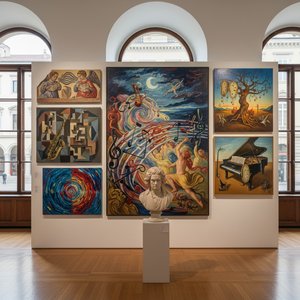
Explore the fascinating history of music's visual representation in art! From ancient symbolism to modern abstraction, discover how artists have captured sound and emotion on canvas. Expert insights & stunning examples.

Explore the opulent world of Rococo art! Discover Watteau, Boucher & Nattier's masterpieces. Expert insights for collectors seeking museum-quality reproductions and custom portraits at Most-Famous-Paintings.


Hold deg oppdatert med de siste kunstnyhetene, eksklusive tilbud og dekorasjonsideer.
Fortell oss om prosjektet ditt, så vil våre kunsteksperter gi deg 3 personlige kunstforslag.
Vi velger ut 3 alternativer kun for deg – helt gratis!


 Forhåndsvisning
 Send
Send Del med andre
 Vis detaljer

 Last ned bildet
 Liknende objekter
 Røntgenundersøkelse
 Lysbildefremvisning


 Vis hele teksten







 Glassalternativet er kun tilgjengelig i størrelser under 110 cm