Selg din kunst
Ønskeliste Handlekurv Cart
ForhåndsvisningForhåndsvisning Se i ARSe i AR Kjøp trykk Kjøp trykkKjøp håndlaget maleri Kjøp håndlaget maleri SendSend
Vis detaljerVis detaljer Legg til i favoritter Legg til i favoritter Last ned bildetLast ned bildet Liknende objekterLiknende objekter RøntgenundersøkelseRøntgenundersøkelse LysbildefremvisningLysbildefremvisning

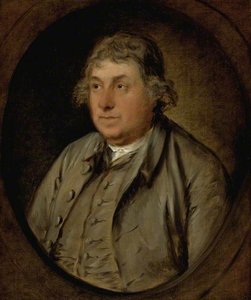
Self Portrait

A striking 1787 oil on canvas self-portrait by Thomas Gainsborough captures the artist's mature likeness with a dignified gaze and classic attire, showcasing his mastery of portraiture during the Georgian era – discover this timeless piece.

Thomas Gainsborough (1727-1788): En britisk mester maler av elegante portretter og vakre landskaper, kjent for sin innovative stil og inspirasjon til Constable.

Kjøp et høyoppløselig, forbedret digitalt bilde som er langt bedre enn forhåndsvisningen på nettet.

Hver fil er omhyggelig klargjort av våre egne spesialister ved hjelp av avanserte verktøy og profesjonell manuell retusjering. Vi sørger for at hvert bilde har eksepsjonell klarhet, presis fargegjengivelse og fine detaljer.

Den endelige filen leveres via e-post innen 72 timer, optimalisert for umiddelbar bruk i profesjonelle, redaksjonelle og trykte miljøer. Dette er den samme kvaliteten som benyttes av ledende designstudioer, utgivere og gallerier.

Digitalt bilde

Last ned en høyoppløselig fil for personlig bruk, utskrift og kreative prosjekter. (Kjøp trykk Kjøp trykkKjøp håndlaget maleri Kjøp håndlaget maleri)

Totalbeløp

$ 24.90

Inkludert i alle bestillinger av digitale bilder

Ekspert digital levering, garantert

Når du velger Most-Famous-Paintings.com, får du ikke bare et bilde – du mottar et profesjonelt forbedret digitalt kunstverk, skapt med presisjon og med en garantert tilfredshetsgaranti. Her er alt som automatisk følger med din bestilling:

shipping_icon
Rask digital levering

Din høyoppløselige digitale bildefil sendes til din e-post innen 72 timer etter bestilling – klar til umiddelbar bruk.

canvas_icon
KI-forbedret digital fil

Ditt kunstverk blir profesjonelt optimalisert ved hjelp av avanserte AI-verktøy og manuell redigering, noe som sikrer maksimal detaljrikdom, klarhet og fargegjengivelse.

insurance_icon
Gratis livslang nyutlevering

Har du ved et uhell slettet eller mistet filen din? Ingen bekymring – vi sender den på nytt når som helst, helt gratis.

tax_icon
Ingen importavgifter – noen gang

Nyt ditt kunstverk umiddelbart uten toll, avgifter eller leveringskostnader – digitale nedlastinger er alltid avgiftsfrie.

color_icon
Garantert fargenøyaktighet

Vi sikrer at ditt digitale bilde gjenspeiler de originale fargene så nøyaktig som mulig ved hjelp av profesjonelle verktøy og fargehåndtering.

return_icon
60 dagers tilfredshetsgaranti

Hvis du ikke er fornøyd med ditt digitale bilde, vil vi revidere det eller refundere 100% innen 60 dager – uten spørsmål.

guarantee_icon
100% Penggaranti

Ikke fornøyd? Få full refusjon innen 60 dager etter at du har mottatt din digitale fil – uten spørsmål.

discount_icon
Rabatt ved storkjøp

Kjøp 3 bilder, spar 10% - Kjøp 5, spar 15% - Kjøp 10+, spar 20%. Ideelt for kreative prosjekter, gallerier og byråer.

Kort om verket

  • Medium: Oil on canvas
  • Artistic style: Rococo, Portraiture
  • Influences: British art
  • Notable elements: White hair, suit, tie
  • Artist: Thomas Gainsborough
  • Dimensions: 77 x 65 cm
  • Subject or theme: Self-portraiture

Beskrivelse av samlerobjektet

A Portrait of Reflection: Thomas Gainsborough’s Self-Portrait

Thomas Gainsborough's 1787 self-portrait offers more than just a likeness; it is a poignant meditation on age, experience, and the enduring power of artistic dedication. Painted during a pivotal period in his career – a time when he was increasingly sought after for portrait commissions – this work reveals a man wrestling with both the successes and the inevitable passage of time. The image, rendered in Gainsborough’s signature oil on canvas technique, immediately draws the viewer into a direct confrontation, mirroring the subject's unwavering gaze.

  • Subject & Composition: The central figure, a man estimated to be in his late 60s or early 70s, dominates the frame with an almost unsettling directness. His posture is upright, conveying a sense of dignity and self-assuredness despite the evident signs of aging – the white hair, the neatly trimmed mustache and sideburns. The composition itself is deceptively simple, relying on the power of observation to create a deeply affecting portrait.
  • Technique & Style: Gainsborough’s mastery of light and shadow is immediately apparent. He employs a loose, expressive brushstroke characteristic of his later work, creating a textured surface that adds depth and realism to the figure. The blue jacket, white shirt, and dark tie – fashionable attire for the period – are rendered with meticulous detail, showcasing Gainsborough's skill in capturing textures and fabrics.

Historical Context: A Master at Work

Created in 1787, this self-portrait provides a valuable window into the life of one of Britain’s most important artists during the Georgian era. Gainsborough was at the height of his career, having already established himself as a leading portrait painter and landscape artist. The Royal Academy of Arts exhibition where this work was initially displayed served as a crucial platform for showcasing artistic talent and attracting wealthy patrons. The painting reflects the societal emphasis on status and self-representation that characterized the period – a desire to immortalize one's identity through art.

  • Georgian Portraiture: Gainsborough’s portraits were highly sought after by the aristocracy and gentry, who commissioned him to capture their likenesses for posterity. His style evolved over time, moving from the more formal, classical influences of his early work towards a looser, more naturalistic approach that emphasized character and personality.
  • The Royal Academy: The Royal Academy, founded in 1789, played a significant role in shaping British art. Gainsborough’s self-portrait was one of the first works exhibited at the Academy's annual exhibition, marking a new era for artistic presentation and patronage.

Symbolism & Emotional Impact

Beyond its technical brilliance, this self-portrait is laden with symbolic meaning. The direct gaze of the subject invites introspection, prompting viewers to consider their own mortality and legacy. The white hair, often associated with wisdom and experience, suggests a lifetime dedicated to artistic pursuits. The painting’s emotional impact lies in its raw honesty – a glimpse into the soul of a man confronting his age and reflecting on his life's work. It is a powerful reminder of the human condition, inviting us to contemplate our own place within time.

  • Age & Reflection: The prominent display of aging in the portrait speaks to the themes of mortality and reflection that were prevalent during Gainsborough’s lifetime.
  • The Artist's Identity: By portraying himself, Gainsborough elevates his own status as an artist, asserting his importance within the artistic community.

A Timeless Masterpiece – A Hand-Painted Reproduction

Most-Famous-Paintings offers a meticulously crafted hand-painted reproduction of this iconic work by Thomas Gainsborough. Each reproduction is created by skilled artisans who painstakingly recreate Gainsborough’s technique and style, ensuring an unparalleled level of detail and authenticity. This isn't merely a print; it's a genuine artwork that will grace your walls with the timeless beauty and profound emotion of one of Britain’s greatest portrait painters. Perfect for collectors, interior designers seeking to infuse their spaces with artistic heritage, or anyone captivated by Gainsborough’s vision.


Om kunstneren

A Suffolk Beginning: The Early Life and Artistic Awakening

The story of Thomas Gainsborough, one of Britain’s most celebrated artists, unfolds not within the confines of a grand academy or bustling metropolis, but in the tranquil market town of Sudbury, Suffolk. Born in 1727, the youngest son of John Gainsborough, a weaver and wool merchant, young Thomas displayed an innate artistic sensibility from a remarkably early age. While his siblings pursued more conventional paths, Thomas’s world rapidly became consumed by drawing and painting – miniature self-portraits and delicate landscapes blossoming from his hand even before he reached ten years old. This precocious talent wasn't merely a childhood pastime; it was the burgeoning of a vision that would reshape British art. His father, recognizing this unique gift, encouraged its development, setting young Thomas on a path diverging sharply from the family trade. The Suffolk countryside itself became his first studio, imbuing his later works with a deep and abiding love for the natural world – a characteristic that would distinguish him throughout his career. This early immersion in landscape wasn’t simply about replicating what he saw; it was about *feeling* the essence of the English countryside, an emotional resonance that would permeate his canvases for decades to come.

London and the Shaping of a Style: Influences and Early Commissions

In 1740, at the age of thirteen, Gainsborough journeyed to London, embarking on formal artistic training under Hubert Gravelot, a French engraver renowned for his elegant rococo style. This exposure proved pivotal, introducing him to refined techniques and fashionable aesthetics. However, it was his association with William Hogarth and the St Martin’s Lane Academy that truly began to mold his artistic identity. Initially influenced by Hogarth's narrative approach – often depicting moral tales through crowded scenes – Gainsborough soon charted his own course, developing a distinctive style characterized by its lightness of touch, fluid brushwork, and subtle color palettes. He absorbed lessons from various masters, including the Dutch landscape painters whose emphasis on light and atmosphere deeply resonated with him. Returning to Sudbury after marrying Margaret Burr in 1746, Gainsborough established himself as a portraitist for the local gentry and mercantile classes. This period honed his skills in capturing likenesses and character, but it was during his subsequent move to Ipswich, and later Bath, that he began attracting a more sophisticated clientele – individuals who appreciated not just accurate representation, but also artistic flair and emotional depth.

Bath and Beyond: Portraiture, Landscape, and Royal Patronage

The years spent in Bath (1759-1774) marked a significant turning point in Gainsborough’s career. The city was a hub of fashionable society, providing him with ample opportunities to paint portraits of the wealthy and influential. He quickly gained renown for his ability to capture not only physical resemblance but also the personality and social standing of his sitters. His portraits weren't merely depictions; they were statements about identity and status. He experimented with new techniques, incorporating elements of Rococo and Neo-classical styles, while retaining his own unique sensibility. However, even amidst the demands of portraiture, Gainsborough never abandoned his passion for landscape painting. In fact, he often seamlessly integrated landscapes into his portraits, creating compositions that celebrated both human subjects and the beauty of the natural world. This innovative approach – a hallmark of his style – set him apart from many of his contemporaries. The culmination of his success came with his move to London in 1774, where he established a studio on Pall Mall and became a founding member of the Royal Academy. He also secured royal patronage, becoming a favourite painter of King George III and Queen Charlotte, further solidifying his position as one of Britain’s leading artists. *Mrs. Thomas Gainsborough*, painted in 1785, exemplifies this period – an elegant portrait showcasing rococo style and muted tones.

A Legacy of Innovation: Enduring Appeal and Influence

Thomas Gainsborough died in 1788, leaving behind a body of work that continues to captivate audiences today. His influence on subsequent generations of British artists is undeniable. He liberated portraiture from rigid formality, infusing it with spontaneity and emotional resonance. His loose brushwork and atmospheric effects paved the way for the Impressionists, while his lyrical landscapes inspired artists like John Constable, who deeply admired Gainsborough’s ability to capture the spirit of the English countryside. Gainsborough's legacy extends beyond technique; it lies in his profound understanding of human character and his unwavering commitment to artistic expression. He wasn’t simply a painter of portraits or landscapes; he was a storyteller, a poet of light and color, and a visionary who transformed British art. His paintings are a testament to the power of observation, imagination, and the enduring allure of the English landscape.

Exploring Gainsborough's World Today

Fortunately, the opportunity to experience Gainsborough’s genius firsthand remains readily available. Gainsborough’s House, in his birthplace of Sudbury, stands as a testament to his life and work, offering visitors an intimate glimpse into his early influences and artistic development. Christchurch Mansion in Ipswich houses a significant collection of Gainsborough paintings alongside works by Constable and other masters. Numerous museums across the United Kingdom and internationally display his masterpieces, including the National Gallery in London and the Metropolitan Museum of Art in New York. His work continues to be studied, analyzed, and celebrated, ensuring that his artistic vision will endure for generations to come. The enduring appeal of Gainsborough’s art lies not only in its technical brilliance but also in its timeless beauty and emotional depth – qualities that resonate with viewers across centuries.
Thomas Gainsborough

Thomas Gainsborough

1727 - 1788 , Storbritannia

Kort om kunstneren

  • Artistic Movement Or Style: Rococoske, Portretter
  • Artists Or Movements Influenced By This Artist: ['Constable']
  • Artists Who Influenced This Artist:
    • Gravelot
    • Hogarth
  • Date Of Birth: 1727
  • Date Of Death: 1788
  • Full Name: Thomas Gainsborough
  • Nationality: Britisk
  • Notable Artworks:
    • Mrs. Gainsborough
    • Mr Andrews
  • Place Of Birth (City And Country): Sudbury, Storbritannia