


x

 Oil On CanvasWallArtBaroque Renaissance
 1548
1548 68.0 x 53.0 cm
 Museo del Prado
Kjøp et høyoppløselig, forbedret digitalt bilde som er langt bedre enn forhåndsvisningen på nettet.
Hver fil er omhyggelig klargjort av våre egne spesialister ved hjelp av avanserte verktøy og profesjonell manuell retusjering. Vi sørger for at hvert bilde har eksepsjonell klarhet, presis fargegjengivelse og fine detaljer.
Den endelige filen leveres via e-post innen 72 timer, optimalisert for umiddelbar bruk i profesjonelle, redaksjonelle og trykte miljøer. Dette er den samme kvaliteten som benyttes av ledende designstudioer, utgivere og gallerier.
Last ned en høyoppløselig fil for personlig bruk, utskrift og kreative prosjekter. ( Kjøp trykk Kjøp håndlaget maleri)
Når du velger Most-Famous-Paintings.com, får du ikke bare et bilde – du mottar et profesjonelt forbedret digitalt kunstverk, skapt med presisjon og med en garantert tilfredshetsgaranti. Her er alt som automatisk følger med din bestilling:

Din høyoppløselige digitale bildefil sendes til din e-post innen 72 timer etter bestilling – klar til umiddelbar bruk.

Ditt kunstverk blir profesjonelt optimalisert ved hjelp av avanserte AI-verktøy og manuell redigering, noe som sikrer maksimal detaljrikdom, klarhet og fargegjengivelse.

Har du ved et uhell slettet eller mistet filen din? Ingen bekymring – vi sender den på nytt når som helst, helt gratis.

Nyt ditt kunstverk umiddelbart uten toll, avgifter eller leveringskostnader – digitale nedlastinger er alltid avgiftsfrie.

Vi sikrer at ditt digitale bilde gjenspeiler de originale fargene så nøyaktig som mulig ved hjelp av profesjonelle verktøy og fargehåndtering.

Hvis du ikke er fornøyd med ditt digitale bilde, vil vi revidere det eller refundere 100% innen 60 dager – uten spørsmål.

Ikke fornøyd? Få full refusjon innen 60 dager etter at du har mottatt din digitale fil – uten spørsmål.

Kjøp 3 bilder, spar 10% - Kjøp 5, spar 15% - Kjøp 10+, spar 20%. Ideelt for kreative prosjekter, gallerier og byråer.
Titian’s “Ecce Homo,” painted in 1548, isn't merely a depiction of a biblical scene; it’s a profound meditation on humility, judgment, and the unsettling beauty of human suffering. This oil-on-canvas masterpiece, currently residing within the hallowed halls of the Museo del Prado in Madrid, offers a rare glimpse into the mind of one of the Renaissance’s most influential figures – Tiziano Vecellio, or simply Titian. The painting's stark monochrome palette immediately draws the viewer in, stripping away the distractions of color and focusing entirely on the figure of Christ before him. It’s a deliberate choice that amplifies the gravity of the moment, echoing the solemnity of early Christian iconography while simultaneously hinting at a more personal, almost melancholic contemplation.
The year 1548 marked a pivotal point in Titian’s career. He had recently traveled to Augsburg, Germany, where he was commissioned by Emperor Charles V to paint portraits of the imperial court. This journey coincided with Charles's hard-won victory at the Battle of Mühlberg, a triumph that solidified his power and demanded visual representation. “Ecce Homo,” likely created during this period, serves as a poignant counterpoint to the celebratory imagery often associated with imperial power. Rather than glorifying military might, Titian presents a scene of quiet introspection – a Christ accepting his fate with a profound sadness that resonates deeply within the viewer.
Titian’s mastery lies not just in his subject matter but also in his extraordinary technical skill. The painting's composition is remarkably balanced, with Christ occupying a central position that commands immediate attention. His downward gaze, a direct address to the viewer, creates an intimate connection, as if he’s sharing a private moment of reflection. Notice the subtle modeling of his face – the delicate lines around his eyes and mouth convey a wealth of emotion without resorting to dramatic gestures. The loose brushwork, characteristic of Titian's mature style, lends a sense of immediacy and movement to the scene, preventing it from feeling static or overly formal. The use of *chiaroscuro*, the masterful interplay of light and shadow, further enhances the depth and dimensionality, guiding our eyes towards the central figure and amplifying the emotional impact.
While rooted in the biblical story of Pilate presenting Jesus to the crowd proclaiming “Behold, the Man!”, “Ecce Homo” transcends a simple retelling. The absence of other figures – save for two indistinct individuals in the background – emphasizes Christ’s isolation and vulnerability. This deliberate framing invites contemplation on themes of sacrifice, judgment, and the human condition. Some art historians suggest that Titian may have subtly incorporated elements of Venetian folklore or symbolism into the painting, though these interpretations remain debated. Regardless, the image powerfully evokes a sense of universal sorrow – a recognition of mortality and the weight of responsibility inherent in leadership.
At Most-Famous-Paintings.com, we are dedicated to preserving the beauty and impact of masterpieces like “Ecce Homo.” Our meticulously crafted oil painting reproductions capture every nuance of Titian’s original technique, offering you an exquisite addition to your collection or a stunning focal point for your interior design. Experience the profound emotion and artistic genius of this iconic work firsthand – a timeless testament to the power of art to illuminate the human spirit.

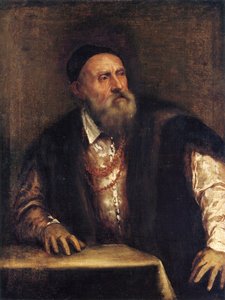
1490 - 1576 , Italia


Hold deg oppdatert med de siste kunstnyhetene, eksklusive tilbud og dekorasjonsideer.
Fortell oss om prosjektet ditt, så vil våre kunsteksperter gi deg 3 personlige kunstforslag.
Vi velger ut 3 alternativer kun for deg – helt gratis!


 Forhåndsvisning
 Send
Send Del med andre
 Vis detaljer

 Last ned bildet
 Liknende objekter
 Røntgenundersøkelse
 Lysbildefremvisning
 Vis hele teksten


