x

Giclée- eller lerretsprint av museumskvalitet med rask produksjon og fleksible valgmuligheter for etterbehandling. ( Kjøp håndlaget maleri Kjøp bilde)





























Velg mellom våre forhåndsdefinerte størrelser som bevarer kunstverkets opprinnelige proporsjoner.

Du kan oppgi egne mål for å tilpasse en spesifikk ramme eller et bestemt område. Dersom den valgte størrelsen ikke samsvarer med det originale bildets proporsjoner, vil vi enten beskjære kunstverket eller utvide bildet med en speilet eller ensfarget kant. En digital mockup vil bli sendt til din godkjenning før produksjonen starter.
Vennligst merk at forhåndsvisningen på skjermen ikke gjenspeiler den faktiske beskjæringen eller utvidelsen. Kun mockuppen vil vise den endelige komposisjonen nøyaktig.
Selv om tilpassede størrelser er tilgjengelige, anbefaler vi å velge et mål fra den forhåndsdefinerte listen for å bevare de originale proporsjonene.
Verdensomspennende levering () på 2 uker i stedet for standard 4/5 uker. (15 August)


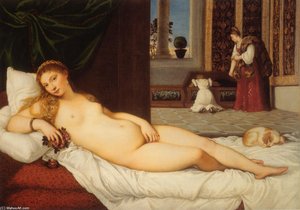
Salome
Størrelse på reproduksjon
Tiziano Vecellio’s “Salome,” painted in 1515, is more than just a portrait; it's an immersion into the heart of Renaissance Venice – a city pulsating with artistic innovation and a profound fascination with beauty, power, and human emotion. This oil on canvas work, currently residing in the Galleria Doria-Pamphilj in Rome, immediately captivates with its dramatic composition and the palpable sense of melancholy that emanates from the central figure. The painting’s enduring appeal lies not only in Titian's masterful technique but also in its complex narrative – a story whispered through glances, gestures, and the unsettling presence of the decapitated head resting upon Salome’s lap.
To understand “Salome,” one must appreciate the context in which it was created – 16th-century Venice. The city was a crucible of artistic experimentation, fueled by wealth from trade and a fervent patronage system. Titian, as one of the leading artists of his time, benefited immensely from this environment. His work reflects not only his personal genius but also the broader cultural currents of the Renaissance: a renewed interest in classical mythology, a celebration of human beauty, and an exploration of profound psychological themes. The inclusion of the dining table subtly references Venetian aristocratic life, adding another layer to the painting’s narrative.
“Salome” is a profoundly unsettling image, laden with symbolism and emotional weight. The act of decapitation itself is a potent metaphor for violence, betrayal, and the loss of innocence. Salome’s expression – a mixture of sorrow, regret, and perhaps even triumph – invites endless interpretation. The head of John the Baptist, presented as a tangible object, becomes an emblem of power, vulnerability, and ultimately, mortality. The red clothing worn by Salome further intensifies the drama, symbolizing passion, bloodshed, and potentially, divine retribution.
Titian’s “Salome” is not merely a beautiful painting; it's a landmark work that profoundly influenced generations of artists. Its innovative composition, masterful technique, and emotionally charged subject matter established Titian as one of the most important figures in Western art history. The numerous copies made from his workshop underscore the enduring impact of this masterpiece, solidifying its place as a cornerstone of Renaissance art.

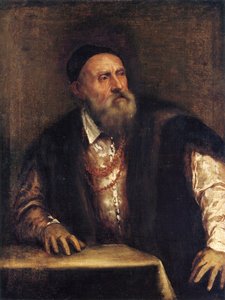
1490 - 1576 , Italia

Explore the profound history and technical brilliance of oil on panel painting. From Renaissance masters to modern techniques, discover why this rigid support offers unparalleled precision and permanence for fine art lovers and collectors.

Explore the dramatic world of Italian Baroque art. Discover how masters like Caravaggio used chiaroscuro and tenebrism to revolutionize painting through light, shadow, and profound realism. A definitive guide for history lovers and art collectors.


Hold deg oppdatert med de siste kunstnyhetene, eksklusive tilbud og dekorasjonsideer.
Fortell oss om prosjektet ditt, så vil våre kunsteksperter gi deg 3 personlige kunstforslag.
Vi velger ut 3 alternativer kun for deg – helt gratis!


 Forhåndsvisning
 Send
Send Del med andre
 Vis detaljer

 Last ned bildet
 Liknende objekter
 Røntgenundersøkelse
 Lysbildefremvisning

 Vis hele teksten







 Glassalternativet er kun tilgjengelig i størrelser under 110 cm