


x

 Acrylic On CanvasWallArtRealist Painting
 Early Medieval
 60.0 x 71.0 cm
Kjøp et høyoppløselig, forbedret digitalt bilde som er langt bedre enn forhåndsvisningen på nettet.
Hver fil er omhyggelig klargjort av våre egne spesialister ved hjelp av avanserte verktøy og profesjonell manuell retusjering. Vi sørger for at hvert bilde har eksepsjonell klarhet, presis fargegjengivelse og fine detaljer.
Den endelige filen leveres via e-post innen 72 timer, optimalisert for umiddelbar bruk i profesjonelle, redaksjonelle og trykte miljøer. Dette er den samme kvaliteten som benyttes av ledende designstudioer, utgivere og gallerier.
Last ned en høyoppløselig fil for personlig bruk, utskrift og kreative prosjekter. ( Bytt til trykk Bytt til håndmalt maleri)
Når du velger Most-Famous-Paintings.com, får du ikke bare et bilde – du mottar et profesjonelt forbedret digitalt kunstverk, skapt med presisjon og med en garantert tilfredshetsgaranti. Her er alt som automatisk følger med din bestilling:

Din høyoppløselige digitale bildefil sendes til din e-post innen 72 timer etter bestilling – klar til umiddelbar bruk.

Ditt kunstverk blir profesjonelt optimalisert ved hjelp av avanserte AI-verktøy og manuell redigering, noe som sikrer maksimal detaljrikdom, klarhet og fargegjengivelse.

Har du ved et uhell slettet eller mistet filen din? Ingen bekymring – vi sender den på nytt når som helst, helt gratis.

Nyt ditt kunstverk umiddelbart uten toll, avgifter eller leveringskostnader – digitale nedlastinger er alltid avgiftsfrie.

Vi sikrer at ditt digitale bilde gjenspeiler de originale fargene så nøyaktig som mulig ved hjelp av profesjonelle verktøy og fargehåndtering.

Hvis du ikke er fornøyd med ditt digitale bilde, vil vi revidere det eller refundere 100% innen 60 dager – uten spørsmål.

Ikke fornøyd? Få full refusjon innen 60 dager etter at du har mottatt din digitale fil – uten spørsmål.

Kjøp 3 bilder, spar 10% - Kjøp 5, spar 15% - Kjøp 10+, spar 20%. Ideelt for kreative prosjekter, gallerier og byråer.
Winslow Homer’s “Below Zero,” painted circa 1893, isn’t merely a depiction of a winter landscape; it’s a profound meditation on human endurance against the relentless indifference of nature. This iconic work, currently residing in the Yale University Art Gallery, immediately commands attention with its monochrome palette – a carefully orchestrated symphony of grays and whites that evokes the biting cold and desolate beauty of a northern winter. Homer masterfully utilizes tonal variations to sculpt form and texture, creating an illusion of depth and roughness within the snowdrifts and the figures’ heavy coats, suggesting both the physical burden of travel and the protective layers against the elements.
The composition is deceptively simple yet powerfully effective. Two bundled figures, their faces obscured by fur caps, struggle through a vast expanse of snow, their sleds trailing behind them like extensions of their weary bodies. The strategic placement of three sleds acts as leading lines, drawing the viewer’s eye into the heart of the scene and emphasizing the arduous journey ahead. The low horizon line amplifies the scale of the landscape, dwarfing the figures and underscoring their vulnerability within this immense, unforgiving environment. Homer eschews sentimentality; there's no dramatic rescue or heroic gesture here, only a quiet determination etched onto the faces of those who persevere.
Homer’s approach to “Below Zero” is firmly rooted in realism, a departure from the romanticized landscapes often favored by his contemporaries. He achieved this through painstaking observation and a deliberate restraint in his brushwork. The painting likely originated with charcoal or graphite on paper, meticulously rendered before being translated into grayscale tones – a technique that allowed Homer to control light and shadow with exceptional precision. The subtle gradations of tone create an astonishing sense of texture; the snow appears not as a uniform surface but as a complex interplay of ridges, drifts, and shadowed recesses. The artist’s skillful manipulation of value—the delicate shifts between dark and light—is what truly breathes life into this otherwise stark scene.
To understand “Below Zero,” it's crucial to consider the historical context in which Homer painted. The late 19th century was a period of rapid industrialization and urbanization in America, yet many rural communities still clung fiercely to traditional ways of life. Homer’s work often explored these themes – the dignity of labor, the challenges faced by ordinary people, and the enduring connection between humanity and the natural world. “Below Zero” can be seen as a reflection on this broader American experience, capturing the spirit of resilience in the face of hardship. Interestingly, Homer himself spent time living in Belmont, Massachusetts, at the Homer House, which served as inspiration for many of his works depicting rural life.
Beyond its literal depiction of a winter journey, “Below Zero” resonates with deeper symbolic meanings. The figures’ struggle against the elements represents humanity's ongoing battle against adversity – a theme that transcends specific historical contexts. The cold itself can be interpreted as a metaphor for isolation, hardship, and the challenges of survival. Yet, despite the bleakness of the scene, there is also a sense of quiet dignity and perseverance in the figures’ actions. “Below Zero” isn't about celebrating triumph; it’s about acknowledging the inherent difficulty of life while simultaneously affirming the human spirit’s capacity to endure. The painting leaves the viewer with a profound sense of respect for those who face hardship with unwavering determination, reminding us of our own resilience in the face of life’s inevitable challenges.
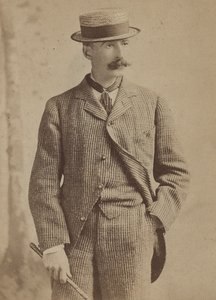
1836 - 1910 , USA


Hold deg oppdatert med de siste kunstnyhetene, eksklusive tilbud og dekorasjonsideer.
Fortell oss om prosjektet ditt, så vil våre kunsteksperter gi deg 3 personlige kunstforslag.
Vi velger ut 3 alternativer kun for deg – helt gratis!


 Forhåndsvisning
 Send
Send Del med andre
 Vis detaljer

 Last ned bildet
 Liknende objekter
 Røntgenundersøkelse
 Lysbildefremvisning
 Vis hele teksten


