x


 Olje på lerretVeggkunstLuminist Realism
 1840tallet
 91.0 x 82.0 cm
Giclée- eller lerretsprint av museumskvalitet med rask produksjon og fleksible valgmuligheter for etterbehandling. ( Bytt til håndmalt maleri Bytt til bilde)





























Velg mellom våre forhåndsdefinerte størrelser som bevarer kunstverkets opprinnelige proporsjoner.

Du kan oppgi egne mål for å tilpasse en spesifikk ramme eller et bestemt område. Dersom den valgte størrelsen ikke samsvarer med det originale bildets proporsjoner, vil vi enten beskjære kunstverket eller utvide bildet med en speilet eller ensfarget kant. En digital mockup vil bli sendt til din godkjenning før produksjonen starter.
Vennligst merk at forhåndsvisningen på skjermen ikke gjenspeiler den faktiske beskjæringen eller utvidelsen. Kun mockuppen vil vise den endelige komposisjonen nøyaktig.
Selv om tilpassede størrelser er tilgjengelige, anbefaler vi å velge et mål fra den forhåndsdefinerte listen for å bevare de originale proporsjonene.
Verdensomspennende levering () på 2 uker i stedet for standard 4/5 uker. (30 July)


Interiørmiljø
Størrelse på reproduksjon
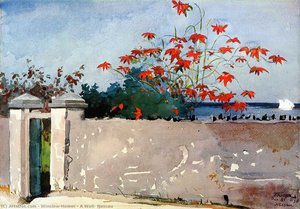
Winslow Homer’s “Interior Scene,” painted in 1840 and now housed within the collections of prestigious institutions, isn't merely a depiction of a room; it’s a carefully constructed tableau that invites profound contemplation. This oil painting, measuring a modest 91 x 82 centimeters, exemplifies the Luminist movement’s core philosophy – prioritizing light as the dominant visual element and using it to sculpt form and evoke emotion. Homer masterfully transports us into a quiet corner of mid-19th century America, offering a glimpse into the lives of ordinary people within the context of Victorian domesticity. The scene centers around a woman seated at a table alongside her child, a composition deliberately understated yet brimming with significance. It’s a moment frozen in time, radiating an aura of serene dignity and quiet intimacy – a testament to Homer's extraordinary ability to capture the essence of human experience.
The arrangement within the room is meticulously considered. Homer skillfully positions the figures within a modestly sized space, bathed in diffused natural light filtering through a window—a technique characteristic of Luminist painters who sought to capture the ethereal beauty of fleeting moments. This isn’t harsh illumination; instead, it's a gentle, almost reverent light that softens edges and imbues the scene with warmth. Notice how the light sculpts the woman’s face, highlighting her features and conveying a sense of composure. The two chairs flanking the central figures create an immediate feeling of intimacy, drawing the viewer into this private space. Even the placement of everyday objects – cups, bowls, spoons, and a vase – contributes to the painting's believability, grounding the scene in the realities of daily life. The subtle shadows cast by these objects further enhance the sense of depth and realism.
Beyond its technical brilliance, “Interior Scene” is rich with symbolism, deeply rooted in the cultural values of 1840s America. The woman’s attire – a voluminous dress adorned with lace and a bonnet – reflects the strict social conventions of Victorian society, emphasizing modesty and domesticity. Her gaze, directed towards the viewer, suggests a quiet strength and dignity—a subtle assertion of presence within the confines of her role as wife and mother. The child beside her embodies innocence and curiosity, representing the future and continuity of family life. The bottle on the table, perhaps containing wine or another beverage, hints at moments of relaxation and social connection. Homer’s careful consideration of these elements elevates “Interior Scene” beyond a simple depiction of reality into an exploration of human experience and emotion – specifically, the values of family, duty, and quiet contemplation that were central to Victorian ideals.
Winslow Homer’s style aligns seamlessly with Luminism, prioritizing tonal gradations and subtle nuances of color to achieve a luminous effect. This movement championed realism tempered by idealism, rejecting theatrical dramaticism in favor of quiet observation and contemplative reflection – qualities that are powerfully conveyed in “Interior Scene.” Homer's meticulous brushwork captures the delicate interplay of light and shadow, creating an image that is both visually arresting and emotionally evocative. He doesn’t strive for sharp detail or vibrant color; instead, he builds up layers of tone to create a sense of atmosphere and depth. This technique allows the painting to feel incredibly intimate and immediate, as if we are standing right there in that quiet room.
“Interior Scene” stands as a pivotal work in American art history, influencing generations of artists who followed. It’s a poignant reminder of a bygone era, offering a glimpse into the lives and values of ordinary people. To truly appreciate this remarkable artwork fully, consider exploring Homer's other celebrated pieces like “Sisters” and “The Morning Bell”—both masterpieces of Luminist painting. For a deeper understanding of the artistic movement, delve into resources such as Wikipedia’s entry on Light in Painting and articles about the Culture of the United States during that period. Reproductions of "Interior Scene" offer a beautiful way to bring this evocative image into your own home, capturing the quiet dignity and timeless beauty of Victorian domestic life.


1836 - 1910 , USA

Explore the ethereal beauty of Luminism. Discover how 19th-century American masters captured light and atmosphere through profound landscape painting. Learn about this iconic movement and find museum-quality, hand-painted oil reproductions to bring historical brilliance to your home.

Elevate luxury hospitality with bespoke abstract oil paintings. Most-Famous-Paintings offers interior designers custom sizes, tailored colors, and hand-painted mastery to transform hotel interiors into timeless destinations. Experience unparalleled quality and professional art consultation.


Hold deg oppdatert med de siste kunstnyhetene, eksklusive tilbud og dekorasjonsideer.
Fortell oss om prosjektet ditt, så vil våre kunsteksperter gi deg 3 personlige kunstforslag.
Vi velger ut 3 alternativer kun for deg – helt gratis!


 Forhåndsvisning
 Send
Send Del med andre
 Vis detaljer

 Last ned bildet
 Liknende objekter
 Røntgenundersøkelse
 Lysbildefremvisning
 Vis hele teksten







 Glassalternativet er kun tilgjengelig i størrelser under 110 cm