x

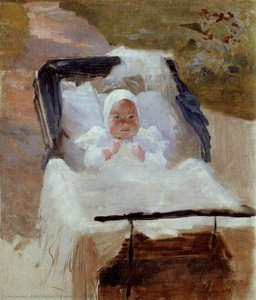
 Acrylic On CanvasWallArtAlbert Edelfelt, Queen Bianca
 1877Renaissance
 75.0 x 96.0 cm
 Ateneum Art Museum
Ręcznie malowany obraz olejny na płótnie, wykonany na zamówienie przez naszych artystów w wybranym przez Ciebie wymiarze i oprawie. ( Przełącz na wydruk Przełącz na obraz)





























Wybierz spośród naszych standardowych rozmiarów, które zachowują oryginalne proporcje dzieła sztuki.

Możesz wprowadzić własne wymiary, aby dopasować obraz do konkretnej ramy lub przestrzeni. Jeśli wybrany rozmiar nie będzie odpowiadał proporcjom oryginału, przytniecie dzieło sztuki lub rozszerzymy je o dodatkowe elementy, ręcznie domalowane przez artystę. Przed rozpoczęciem produkcji wyślemy projekt cyfrowy do Twojej akceptacji.
Należy pamiętać, że podgląd na ekranie nie odzwierciedla rzeczywistego przycinania ani rozszerzania obrazu. Tylko projekt dokładnie pokaże ostateczną kompozycję.
Choć oferujemy możliwość zamówienia niestandardowych rozmiarów, zalecamy wybór wymiaru z gotowej listy, aby zachować oryginalne proporcje dzieła.
Dostawa na całym świecie () w ciągu 3–4 tygodni zamiast standardowych 5 tygodni. (6 Sierpień). Bez kompromisów w kwestii jakości.


Queen Bianca
Rozmiar reprodukcji
Albert Edelfelt’s “Queen Bianca,” painted in 1877, isn't merely a portrait; it’s a carefully constructed tableau of Victorian ideals and nascent Finnish national identity. The painting captures a woman radiating quiet authority and profound tenderness – a figure both regal and intimately maternal. At first glance, the scene presents a domestic intimacy: a woman, identified as Queen Bianca (a reference to the Shakespearean character), cradles her child in a gesture of unwavering devotion. However, beneath this surface serenity lies a complex layering of symbolism and historical context, reflecting Edelfelt’s ambition to elevate Finnish art onto an international stage.
The composition itself is meticulously balanced. The woman, rendered with a subtle realism that eschews the overly idealized depictions common in court portraits, occupies the central space, her gaze direct yet gentle. Her attire – a flowing white gown and delicate jewelry – speaks to her status while simultaneously conveying an understated elegance. Crucially, she’s not posed dramatically; instead, she appears caught in a moment of quiet contemplation, suggesting a deeper narrative beyond simple motherhood. The child, nestled securely within her arms, mirrors her composure, hinting at a lineage of strength and grace. To the right, a richly upholstered couch provides a sense of domestic comfort, while a chair positioned near the left edge subtly introduces an element of formality, anchoring the scene within a refined setting.
Albert Edelfelt’s artistic trajectory is inextricably linked to his evolving understanding of Finnish identity. Born in Porvoo, Finland, in 1854, he initially trained in Antwerp and Paris, immersing himself in the traditions of historical painting – a genre favored by the academies of those eras. However, it was his time in France that exposed him to the burgeoning Impressionist movement, influencing his approach to light, color, and brushwork. Returning to Finland, Edelfelt skillfully blended these diverse influences, creating a style characterized by its naturalism, emotional depth, and meticulous attention to detail. “Queen Bianca” exemplifies this synthesis; it’s both rooted in academic training and infused with the spirit of modern artistic experimentation.
The painting's creation coincided with a period of significant social and political change in Finland. The country was transitioning from Russian rule towards independence, and artists like Edelfelt sought to capture the essence of Finnish culture and values. “Queen Bianca” can be interpreted as an allegory for the nation itself – a symbol of strength, resilience, and maternal care. The woman’s dignified bearing reflects the aspirations of a newly independent Finland, while her tender embrace embodies the enduring values of family and community.
Edelfelt's mastery lies not only in his composition but also in his technical execution. He employed a layering technique, building up the image through numerous thin glazes of oil paint, creating a luminous surface that captures subtle shifts in light and shadow. The brushwork is remarkably delicate, particularly evident in the rendering of the woman’s gown and the child's clothing – each fabric texture meticulously depicted with remarkable precision. The use of color is restrained yet evocative; soft blues, greens, and creams dominate the palette, creating a sense of serenity and warmth.
Notably, Edelfelt utilized a technique known as *alla prima*, working directly onto the canvas without extensive underpainting. This approach allowed him to capture the immediacy of the moment and imbue the painting with a palpable sense of emotion. The subtle variations in tone and color – particularly in the shadows cast by the furniture – contribute significantly to the painting’s atmospheric depth and realism. The choice of canvas, likely linen, further enhanced the richness and texture of the work.
Beyond its technical merits, “Queen Bianca” is rich in symbolic meaning. The child represents not only lineage but also the future – a symbol of hope and continuity for Finland. The woman’s gaze, direct and unwavering, conveys a sense of quiet confidence and authority. She isn't merely a mother; she embodies strength, wisdom, and resilience. The setting itself—a comfortable yet refined room—suggests a stable and secure environment, reflecting the values that Edelfelt sought to promote through his art.
Ultimately, “Queen Bianca” is a powerful meditation on motherhood, national identity, and the enduring human spirit. It’s a painting that invites contemplation, prompting viewers to consider the complex interplay of tradition and modernity, strength and tenderness, and the timeless beauty of family bonds. Reproductions of this iconic work offer a captivating glimpse into Edelfelt's artistic vision and provide a poignant reminder of Finland’s rich cultural heritage.

Edelfelt urodził się w rodzinie pochodzącej z szlachty, której korzenie sięgały głęboko w historię Finlandii. Ojciec Carl Albert Edelfelt był architektem i emigrantem szwedzkim, który zamieszkał w Finlandii jeszcze przed narodziną syna. Jego matka Alexandra Edelfeldt née Brandt była poetką amatorką i gorącym zwolennikiem sztuki – kobieta niezwykle ciepła i troskliwa o dobro dziecka.
Już jako młodych chłopiec Edelfelt wykazywał wyjątkowy talent artystyczny, który zainspirował go do rozpoczęcia studiów na Szkole Rysunkowej Fińskiego Towarzystwa Artystycznego w Helsinoksie w 1869 roku. Kontynuował naukę pod opieką Adolfa von Beckera (1871–73), zdobywając nagrodę za doskonałość za obraz Aleksandra Wielkiego na jego śmierć. Jego umiejętności doskonalił następnie w Akademii Sztuki w Antwerpii (1873–74) oraz École Nationale des Beaux-Arts w Paryżu (1874–78), gdzie pod kierownictwem Jean-Léon Gérôme kształtował swój styl historyczny.
Przebywanie Edelfelta we Francji otworzyło mu drzwi do świata kultury i sztuki oraz zapewniło dostęp do szerokiego kręgu klientów – zarówno wśród elit społecznych, jak i intelektualnej. Jego twórczość koncentrowała się przede wszystkim na obrazach historycznych, które były wówczas dominującym kierunkiem rozwoju sztuki francuskiej. Edelfelt nawiązał przyjaźnie z innymi artystami, m.in. Julian Alden Weir oraz Jules Bastien-Lepage, którzy wspierali jego rozwój zawodowy i osobisty.
Największy sukces Edelfelta osiągnął podczas Światowej Ekspozycji Uniwersyteckiej w Paryżu w 1889 roku, gdzie otrzymał srebrny medal za obraz „Królowa Blanka”, który został uznany jednym z najważniejszych dzieł sztuki narodowej Finlandii. Jego twórczość zainspirowała wielu młodych fińskich malarzy, którzy pod jego wpływem rozpoczęli własną karierę artystyczną.
Edelfelt słynie przede wszystkim z obrazów portretowych, które charakteryzują się niezwykłą dokładnością anatomiczną oraz umiejętnością oddania emocji i charakteru osoby przedstawionej. Jego twórczość wyraża głębokie zrozumienie dla ludzkiej psychiki oraz piękna natury – szczególnie krajobraz finlandzki, który stanowi istotną inspiracją dla jego dzieł.
Among Edelfelt’s most celebrated works are „Portrait of Louis Pasteur” (1886), „Young Woman in Her Boudoir” (1878) oraz „Under the Birches” (1879). The latter painting, executed outdoors near Haikko, exemplifies Edelfelt's commitment to plein air painting and is considered a masterpiece of Finnish Realism.
Albert Edelfelt jest jednym z pionierów fińskiej szkoły realistycznej, która wyznaczyła nowe kierunki rozwoju sztuki narodowej kraju. Jego twórczość wpłynęła na wielu młodych artystów, którzy pod jego wpływem stworzyli własną oryginalną wizję świata i piękna. Jego dzieła znajdują się w kolekcjach muzeów na całym świecie, a jego pamięć została uczczona poprzez emisję monet okolicznych urodzin w 2004 roku.
Edelfelt pozostawił po sobie bogate dziedzictwo kulturowe i artystyczne, które nadal inspiruje twórców oraz zainteresowanych sztuką. Jego obraz „Królowa Blanka” jest jednym z najważniejszych dzieł sztuki narodowej Finlandii i stanowi doskonały przykład realizmu XIX wieku.

1854 - 1905 , Finland

Odkryj fascynujący świat portretu! Poznaj 10 arcydzieł Rembrandta, Van Gogha i Monę Lisę – historie artystów, techniki malarskie i inspiracje wnętrzarskie. Reprodukcje obrazów najwyższej jakości na Most-Famous-Paintings.com
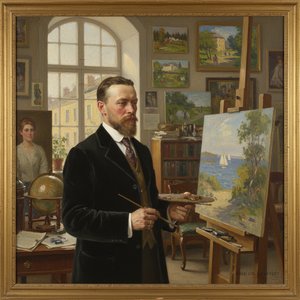
Explore the life & work of Albert Edelfelt, a pioneering Finnish Realist painter who bridged Impressionism & national identity. Discover his masterpieces and lasting influence on art history.
Odkryj 25 arcydzieł Sir Joshua Reynoldsa – mistrza angielskiego rokoko i neoklasycyzmu. Poznaj historie portretów, techniki malarskie i inspiracje wnętrzarskie. Reprodukcje najwyższej jakości na Most-Famous-Paintings.com! Eksploruj pełną kolekcję online.
Odkryj 10 arcydzieł sztuki w odcieniach szarości! Poznaj historie Claude Moneta, Degasa i Goi. Inspiracje wnętrzarskie z klasycznymi obrazami. Reprodukcje najwyższej jakości na Most-Famous-Paintings.com – zobacz kolekcję online!

Odkryj 25 najpiękniejszych arcydzieł Claude Moneta – impresjonistycznych pejzaży, nymfeii i słonecznych krajobrazów. Poznaj historię sztuki i zainspiruj się do dekoracji wnętrz z Most-Famous-Paintings.com! Eksploruj pełną kolekcję online.


Bądź na bieżąco z najnowszymi wiadomościami ze świata sztuki, ekskluzywnymi ofertami i inspiracjami dekoratorskimi.
Opowiedz nam o swoim projekcie, a nasi eksperci przygotują dla Ciebie 3 spersonalizowane propozycje dzieł sztuki.
Pozwól nam przygotować 3 propozycje specjalnie dla Ciebie – za darmo!


 Podgląd w skali
 Wyślij
 Udostępnij
 Szczegóły

 Pobierz plik obrazu
 Podobne obiekty
 RTG
RTG Pokaz slajdów
 Czytaj więcej







 Opcja ze szkłem jest dostępna wyłącznie w rozmiarach poniżej 110 cm