x

Ręcznie malowany obraz olejny na płótnie, wykonany na zamówienie przez naszych artystów w wybranym przez Ciebie wymiarze i oprawie. ( Zamów wydruk Kup obraz wysokiej rozdzielczości)





























Wybierz spośród naszych standardowych rozmiarów, które zachowują oryginalne proporcje dzieła sztuki.

Możesz wprowadzić własne wymiary, aby dopasować obraz do konkretnej ramy lub przestrzeni. Jeśli wybrany rozmiar nie będzie odpowiadał proporcjom oryginału, przytniecie dzieło sztuki lub rozszerzymy je o dodatkowe elementy, ręcznie domalowane przez artystę. Przed rozpoczęciem produkcji wyślemy projekt cyfrowy do Twojej akceptacji.
Należy pamiętać, że podgląd na ekranie nie odzwierciedla rzeczywistego przycinania ani rozszerzania obrazu. Tylko projekt dokładnie pokaże ostateczną kompozycję.
Choć oferujemy możliwość zamówienia niestandardowych rozmiarów, zalecamy wybór wymiaru z gotowej listy, aby zachować oryginalne proporcje dzieła.
Dostawa na całym świecie () w ciągu 3–4 tygodni zamiast standardowych 5 tygodni. (19 Sierpień). Bez kompromisów w kwestii jakości.


A Quarry
Wymiary reprodukcji
Albrecht Dürer's "A Quarry," painted in 1498, is more than just a depiction of a rugged landscape; it’s a profound meditation on mortality, human insignificance, and the enduring power of nature. Executed during a pivotal moment in the artist’s career – a period marked by intense experimentation with perspective and an increasingly complex engagement with humanist thought – this work reveals Dürer's burgeoning mastery of observation and his nascent exploration of symbolic meaning. The scene itself is stark: a desolate quarry, dominated by a towering mountain and punctuated by the skeletal remains of a tree, stands as a powerful visual statement. The figures scattered throughout the composition—a small group observing the tree—underscore our own vulnerability against the vastness of the natural world.
“A Quarry” emerges from the heart of the Northern Renaissance, a period defined by a renewed interest in classical antiquity and a burgeoning emphasis on human experience. Dürer, like many artists of his time, was deeply influenced by humanist thought, which encouraged observation of the natural world as a means of understanding humanity’s place within it. This is evident in the painting's realistic depiction of geological formations – a hallmark of Renaissance art – and its subtle portrayal of human figures interacting with their environment. The inclusion of the tree, particularly one rendered dead or dying, immediately introduces a symbolic layer, prompting contemplation on themes of decay, loss, and the transience of life.
Historical Significance: Painted in 1498, this work represents an early example of Dürer’s exploration of landscape as a subject for artistic investigation. It predates his later, more ambitious landscapes and demonstrates his developing skill in rendering natural forms with scientific accuracy.The dead or dying tree is arguably the most potent element within “A Quarry.” In medieval and Renaissance iconography, trees frequently symbolized life, fertility, and connection to the divine. However, here, the tree’s lifeless state transforms it into a symbol of death, decay, and perhaps even damnation. The figures observing the tree could represent humanity's futile attempts to comprehend or control the forces of nature, or they might be seen as witnesses to our own mortality. The mountain in the background further amplifies this sense of awe and dread, reinforcing the insignificance of human existence against the backdrop of an eternal landscape.
"A Quarry" possesses a haunting emotional resonance that continues to captivate viewers centuries later. Dürer’s masterful use of light and shadow, combined with his meticulous attention to detail, creates a scene of profound melancholy and isolation. This painting is considered a crucial step in the development of Dürer's artistic style and a testament to his innovative approach to landscape representation. Its influence can be seen in subsequent generations of Northern Renaissance artists, solidifying its place as a seminal work within art history. A hand-painted reproduction offers an unparalleled opportunity to experience the full power and beauty of this iconic image.

Dürer’s influence reverberates through centuries of art history. His meticulous realism, his innovative use of printmaking, and his theoretical writings continue to inspire artists and scholars alike. He demonstrated that art could be both technically masterful and intellectually rigorous—a legacy that continues to shape the artistic landscape today. His work stands as a testament to the power of observation, the pursuit of knowledge, and the enduring human desire to create beauty and meaning.

1471 - 1528 , Niemcy
Odkryj 25 arcydzieł Albrechta Dürera – mistrza renesansu! Poznaj historie, techniki i symbolikę jego najsłynniejszych obrazów i grafik. Reprodukcje najwyższej jakości do Twojego wnętrza na Most-Famous-Paintings.com
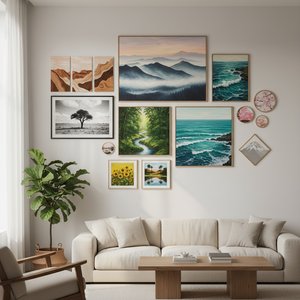
Odkryj 10 arcydzieł krajobrazu w sztuce! Poznaj historie Moneta, van Gogha i Turnera. Inspiracje pejzażami, techniki malarskie i reprodukcje najwyższej jakości na Most-Famous-Paintings.com. Znajdź idealny obraz do Twojego wnętrza!
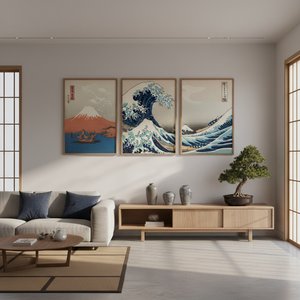
Odkryj 25 arcydzieł Katsushika Hokusai, mistrza ukiyo-e! Poznaj historię Wielkiej Fali i innych ikonicznych drzeworytów. Inspiracje wnętrzarskie i reprodukcje obrazów najwyższej jakości na Most-Famous-Paintings.com – sztuka japońska dla Twojego domu.
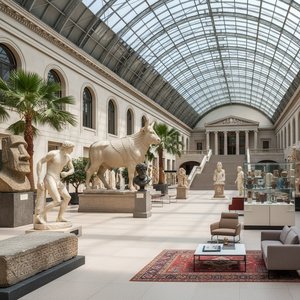
Odkryj 25 arcydzieł Brytyjskiego Muzeum! Poznaj historie słynnych obrazów, rzeźb i artefaktów od antyku po współczesność. Reprodukcje najwyższej jakości na Most-Famous-Paintings.com – inspiracje dla Twojego wnętrza. Eksploruj pełną kolekcję online!

Odkryj 10 arcydzieł romantyzmu w malarstwie! Poznaj historie Caspara Davida Friedricha, Turnera i innych mistrzów. Inspiracje wnętrzarskie & reprodukcje obrazów najwyższej jakości na Most-Famous-Paintings.com. Eksploruj kolekcję online!


Bądź na bieżąco z najnowszymi wiadomościami ze świata sztuki, ekskluzywnymi ofertami i inspiracjami dekoratorskimi.
Opowiedz nam o swoim projekcie, a nasi eksperci przygotują dla Ciebie 3 spersonalizowane propozycje dzieł sztuki.
Przygotujemy dla Ciebie 3 propozycje zupełnie za darmo!


 Podgląd w skali
 Wyślij jako kartkę
 Udostępnij
 Szczegóły dzieła

 Pobierz
 Podobne obiekty
 RTG
RTG Pokaz slajdów

 Rozwiń treść







 Opcja ze szkłem jest dostępna wyłącznie w rozmiarach poniżej 110 cm