


x

 EngravingWallArtNorthern Renaissance Printmaking
 1495
1495 570.0 x 389.0 cm
 Brytyjskie Muzeum
Druk giclée lub płótno o jakości muzealnej, szybka realizacja i szeroki wybór opcji wykończenia. ( Zamów ręcznie malowaną reprodukcję Kup obraz wysokiej rozdzielczości)





























Wybierz spośród naszych standardowych rozmiarów, które zachowują oryginalne proporcje dzieła sztuki.

Możesz wprowadzić własne wymiary, aby dopasować dzieło do konkretnej ramy lub przestrzeni. Jeśli wybrany rozmiar nie będzie odpowiadał proporcjom oryginalnego obrazu, przytniecie dzieło lub rozszerzymy obraz za pomocą odbicia lustrzanego lub jednolitego wypełnienia krawędzi. Przed rozpoczęciem produkcji prześlemy cyfrową wizualizację do Twojej akceptacji.
Prosimy pamiętać, że podgląd na ekranie nie odzwierciedla faktycznego przycinania ani rozszerzania. Tylko wizualizacja dokładnie pokaże końcową kompozycję.
Mimo dostępności niestandardowych rozmiarów, zalecamy wybór wymiaru z listy zdefiniowanej, aby zachować oryginalne proporcje.
Dostawa na cały świat () w ciągu 2 tygodni zamiast standardowych 4/5 tygodni. (21 Sierpień)


Crucifixion
Wymiary reprodukcji
Albrecht Dürer's "Crucifixion," executed in 1495, isn’t merely a depiction of a biblical scene; it’s a profound meditation on suffering, faith, and the human condition rendered with an almost unbearable intensity. This monumental engraving, measuring over five feet tall, immediately commands attention not just for its scale but for the sheer emotional weight packed into every meticulously etched line. Dürer, a pivotal figure in the Northern Renaissance, masterfully utilizes the constraints of printmaking to achieve a level of realism and psychological depth rarely seen in his time. The work transcends simple illustration, becoming a powerful testament to the artist’s skill and his deeply felt engagement with religious iconography.
Dürer's genius lies not just in his subject matter but in his extraordinary technical prowess. The engraving is executed primarily through two distinct techniques – drypoint and burin – a masterful combination that yields both velvety softness and razor-sharp precision. Drypoint, achieved by scratching directly into the metal plate, creates delicate, almost charcoal-like lines, lending an ethereal quality to the drapery and facial features. Simultaneously, the burin technique delivers crisp, defined outlines, particularly evident in the musculature of Christ’s body and the angularity of the surrounding figures. This duality allows Dürer to build up incredible tonal range – subtle gradations of gray suggesting texture, volume, and even the play of light on skin and fabric. The cross itself is a marvel of controlled line work, its geometric stability juxtaposed with the organic forms of the human bodies it supports.
The composition of “Crucifixion” adheres to traditional religious iconography while simultaneously imbuing the scene with a deeply personal resonance. Christ, centrally positioned on the cross, is not idealized; he’s depicted as a vulnerable, suffering figure – his body contorted in agony, his face etched with pain. Surrounding him are figures of profound grief: Mary, her head bowed in sorrow, and other mourners expressing a range of emotions—despair, lamentation, and quiet reverence. The angels, positioned above the scene, aren’t simply observers; they embody divine compassion and witness to this pivotal moment. Notably, a small dog is depicted at the base of the cross – a detail often interpreted as representing fidelity and loyalty, mirroring Christ's unwavering devotion. The distant landscape, rendered with a degree of atmospheric perspective, anchors the scene within a broader context of earthly suffering and spiritual longing.
Created during the height of the Northern Renaissance, “Cruifixion” reflects the era’s fascination with realism and humanism. Dürer's meticulous attention to anatomical detail—a hallmark of his work—was influenced by his study of classical art and his own keen observation of the human form. However, this realism is tempered by a profound sense of emotional intensity. The engraving wasn’t simply intended as a historical record; it was designed to evoke empathy and contemplation in the viewer. Dürer's exploration of grief, sacrifice, and redemption speaks directly to universal themes of mortality and faith—themes that continue to resonate powerfully with audiences today. This work serves as a poignant reminder of the enduring power of art to capture not just visual likeness but also the very essence of human experience.
Most-Famous-Paintings offers meticulously crafted hand-painted reproductions of this iconic masterpiece, allowing you to bring its profound beauty and emotional depth into your home or studio. Each reproduction is created by skilled artists using archival quality materials, ensuring that the spirit and integrity of Dürer’s original work are faithfully preserved for generations to come.

Dürer’s influence reverberates through centuries of art history. His meticulous realism, his innovative use of printmaking, and his theoretical writings continue to inspire artists and scholars alike. He demonstrated that art could be both technically masterful and intellectually rigorous—a legacy that continues to shape the artistic landscape today. His work stands as a testament to the power of observation, the pursuit of knowledge, and the enduring human desire to create beauty and meaning.

1471 - 1528 , Niemcy
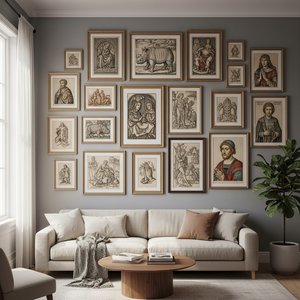
Odkryj 25 arcydzieł Albrechta Dürera – mistrza renesansu! Poznaj historie, techniki i symbolikę jego najsłynniejszych obrazów i grafik. Reprodukcje najwyższej jakości do Twojego wnętrza na Most-Famous-Paintings.com
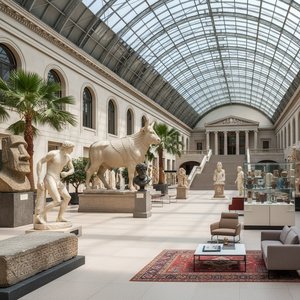
Odkryj 25 arcydzieł Brytyjskiego Muzeum! Poznaj historie słynnych obrazów, rzeźb i artefaktów od antyku po współczesność. Reprodukcje najwyższej jakości na Most-Famous-Paintings.com – inspiracje dla Twojego wnętrza. Eksploruj pełną kolekcję online!

Odkryj 10 legendarnych arcydzieł grafiki – rytownictwo Rembrandta, Dürera i Goya! Poznaj historię artystów, techniki i wpływ na sztukę. Znajdź idealne reprodukcje obrazów do Twojego wnętrza na Most-Famous-Paintings.com

Explore the life & art of Albrecht Dürer, a pivotal German Renaissance master. Discover his groundbreaking printmaking techniques, iconic self-portraits, and lasting influence on Western art history. A deep dive into innovation & symbolism.

Explore the rich history of engraving with Most-Famous-Paintings. Discover techniques, iconic artists like Dürer & Callot, collecting tips, and expert guidance for preserving your art investment. Learn about intaglio printing & more!


Bądź na bieżąco z najnowszymi wiadomościami ze świata sztuki, ekskluzywnymi ofertami i inspiracjami dekoratorskimi.
Opowiedz nam o swoim projekcie, a nasi eksperci przygotują dla Ciebie 3 spersonalizowane propozycje dzieł sztuki.
Przygotujemy dla Ciebie 3 propozycje zupełnie za darmo!


 Podgląd w skali
 Wyślij jako kartkę
 Udostępnij
 Szczegóły dzieła

 Pobierz
 Podobne obiekty
 RTG
RTG Pokaz slajdów
 Rozwiń treść







 Opcja ze szkłem jest dostępna wyłącznie w rozmiarach poniżej 110 cm


