x

Ręcznie malowany obraz olejny na płótnie, wykonany na zamówienie przez naszych artystów w wybranym przez Ciebie wymiarze i oprawie. ( Zamów wydruk Kup obraz wysokiej rozdzielczości)





























Wybierz spośród naszych standardowych rozmiarów, które zachowują oryginalne proporcje dzieła sztuki.

Możesz wprowadzić własne wymiary, aby dopasować obraz do konkretnej ramy lub przestrzeni. Jeśli wybrany rozmiar nie będzie odpowiadał proporcjom oryginału, przytniecie dzieło sztuki lub rozszerzymy je o dodatkowe elementy, ręcznie domalowane przez artystę. Przed rozpoczęciem produkcji wyślemy projekt cyfrowy do Twojej akceptacji.
Należy pamiętać, że podgląd na ekranie nie odzwierciedla rzeczywistego przycinania ani rozszerzania obrazu. Tylko projekt dokładnie pokaże ostateczną kompozycję.
Choć oferujemy możliwość zamówienia niestandardowych rozmiarów, zalecamy wybór wymiaru z gotowej listy, aby zachować oryginalne proporcje dzieła.
Dostawa na całym świecie () w ciągu 3–4 tygodni zamiast standardowych 5 tygodni. (19 Sierpień). Bez kompromisów w kwestii jakości.


Hands, drawing
Wymiary reprodukcji
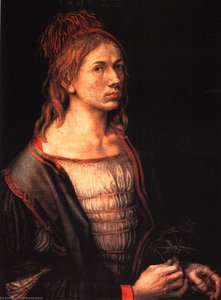
Albrecht Dürer’s “Hands, Drawing,” a seemingly simple depiction of a figure with raised hands in prayer, resonates with an extraordinary depth of meaning. Executed around 1508, this work transcends the purely representational, offering a window into the anxieties and spiritual aspirations of the Northern Renaissance. The painting immediately draws the eye to the central figure, whose hands are positioned above their head, forming a powerful cross – a universally recognized symbol of faith, sacrifice, and divine connection. Dürer’s meticulous attention to detail elevates this gesture beyond mere illustration; it becomes an embodiment of profound devotion.
Dürer was a revolutionary artist, known for his innovative techniques and unwavering commitment to precision. “Hands, Drawing” exemplifies this dedication. Executed in oil on panel, Dürer’s masterful use of glazing creates a luminous quality, capturing the subtle nuances of light and shadow across the figure's hands. The level of detail is astonishing – from the individual wrinkles and veins to the delicate folds of fabric – demonstrating his unparalleled skill as a draftsman. Dürer’s meticulous approach was not simply about replicating reality; it was about distilling the essence of form, capturing its inherent beauty with scientific accuracy.
Created during a period of intense religious and intellectual ferment, “Hands, Drawing” reflects the profound spiritual concerns of the High Renaissance. The cross motif, central to Christian iconography, speaks to themes of redemption, sacrifice, and the relationship between humanity and the divine. The presence of two smaller figures flanking the main figure adds another layer of complexity, perhaps representing witnesses to the prayer or symbolizing a broader community united in faith. Dürer’s work aligns with the humanist movement's emphasis on human experience and its exploration of moral and spiritual questions.
Dürer was deeply influenced by late Gothic art, particularly the expressive gestures and emotional intensity found in works by artists like Stefan Lochner. However, he sought to elevate these traditions through his rigorous intellectual approach and technical mastery, forging a new path for Northern Renaissance art."Hands, Drawing" possesses an enduring emotional power that continues to resonate with viewers centuries later. The simple act of prayer, rendered with such profound sensitivity, evokes feelings of reverence, contemplation, and perhaps even a sense of personal connection to the divine. Dürer’s work stands as a testament to his genius – a masterful synthesis of technical skill, spiritual insight, and artistic vision. Its influence can be seen in countless subsequent works of art, solidifying its place as one of the most important paintings of the Renaissance.

Dürer’s influence reverberates through centuries of art history. His meticulous realism, his innovative use of printmaking, and his theoretical writings continue to inspire artists and scholars alike. He demonstrated that art could be both technically masterful and intellectually rigorous—a legacy that continues to shape the artistic landscape today. His work stands as a testament to the power of observation, the pursuit of knowledge, and the enduring human desire to create beauty and meaning.

1471 - 1528 , Niemcy

Elevate your design projects with Most-Famous-Paintings's premium canvas prints and hand-painted reproductions. Discover affordable, museum-quality wall decor delivered worldwide, offering freelance decorators professional excellence, archival durability, and bespoke customization for every space.


Bądź na bieżąco z najnowszymi wiadomościami ze świata sztuki, ekskluzywnymi ofertami i inspiracjami dekoratorskimi.
Opowiedz nam o swoim projekcie, a nasi eksperci przygotują dla Ciebie 3 spersonalizowane propozycje dzieł sztuki.
Przygotujemy dla Ciebie 3 propozycje zupełnie za darmo!


 Podgląd w skali
 Wyślij jako kartkę
 Udostępnij
 Szczegóły dzieła

 Pobierz
 Podobne obiekty
 RTG
RTG Pokaz slajdów

 Rozwiń treść







 Opcja ze szkłem jest dostępna wyłącznie w rozmiarach poniżej 110 cm