x

 SilverpointWallArtNorthern Renaissance Portraiture
 1520
1520 194.0 x 147.0 cm
 Staatliche Museen zu Berlin
Druk giclée lub płótno o jakości muzealnej, szybka realizacja i szeroki wybór opcji wykończenia. ( Zamów ręcznie malowaną reprodukcję Kup obraz wysokiej rozdzielczości)





























Wybierz spośród naszych standardowych rozmiarów, które zachowują oryginalne proporcje dzieła sztuki.

Możesz wprowadzić własne wymiary, aby dopasować dzieło do konkretnej ramy lub przestrzeni. Jeśli wybrany rozmiar nie będzie odpowiadał proporcjom oryginalnego obrazu, przytniecie dzieło lub rozszerzymy obraz za pomocą odbicia lustrzanego lub jednolitego wypełnienia krawędzi. Przed rozpoczęciem produkcji prześlemy cyfrową wizualizację do Twojej akceptacji.
Prosimy pamiętać, że podgląd na ekranie nie odzwierciedla faktycznego przycinania ani rozszerzania. Tylko wizualizacja dokładnie pokaże końcową kompozycję.
Mimo dostępności niestandardowych rozmiarów, zalecamy wybór wymiaru z listy zdefiniowanej, aby zachować oryginalne proporcje.
Dostawa na cały świat () w ciągu 2 tygodni zamiast standardowych 4/5 tygodni. (18 Sierpień)


Sebastian Brant (.)
Wymiary reprodukcji
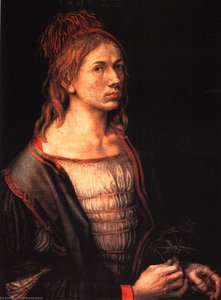
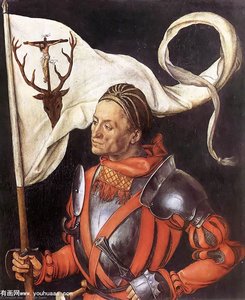
Albrecht Dürer's "Sebastian Brant," executed in 1520, is more than simply a portrait; it’s a meticulously crafted window into the complexities of Northern Renaissance thought. This silverpoint drawing, now faithfully reproduced on canvas by Most-Famous-Paintings.com, offers a profound glimpse into the mind of an unidentified gentleman, likely a man of considerable standing within his community. The stark monochrome palette—a deliberate choice reflecting Dürer’s mastery of the medium—immediately draws the viewer in, demanding attention to the subtle nuances of line and shadow that define the figure's form. The drawing’s power lies not in dramatic gesture or vibrant color, but in its quiet intensity, a testament to Dürer’s ability to capture an essence – a thoughtful gaze, a hint of melancholy, and the dignified bearing of a man accustomed to both privilege and introspection.
Dürer's choice of silverpoint as his medium is crucial to understanding the artwork’s unique character. Unlike oil paints, which rely on layering and blending, silverpoint demands absolute precision from the artist. A thin wire of pure silver is drawn directly onto prepared paper—typically gessoed to provide a smooth, receptive surface—creating lines that are both permanent and remarkably delicate. The resulting texture isn’t immediately apparent in a photograph, but one can imagine the subtle metallic sheen that would have graced the original drawing, a testament to Dürer's painstaking control. The meticulous hatching and cross-hatching employed to model the face, clothing, and fur collar demonstrate an unparalleled level of technical skill; each line is carefully considered, contributing to the overall illusion of volume and depth. This technique, born from the traditions of German art, allowed for a level of detail rarely achieved with other mediums, creating a surface that feels both tactile and profoundly intimate.
Beyond the technical brilliance, “Sebastian Brant” is rich in symbolic details. The broad-brimmed hat, adorned with a feather, speaks volumes about the subject's social standing – a common motif in Renaissance portraiture signifying wealth, status, and perhaps even membership within a guild or influential circle. The meticulously groomed mustache and beard, hallmarks of masculine identity during this period, further reinforce his position as a man of authority and refinement. The contemplative expression itself is particularly noteworthy; it suggests a thoughtful nature, an intellectual curiosity, or perhaps a quiet sadness – inviting the viewer to project their own interpretations onto the subject’s face. The anonymity of the sitter adds another layer of intrigue, allowing us to focus solely on the qualities conveyed through his appearance and demeanor.
Created in 1520, “Sebastian Brant” reflects the artistic and intellectual currents of the Northern Renaissance. Dürer’s work exemplifies a shift towards greater realism and naturalism, moving away from the stylized conventions of earlier periods. His meticulous attention to detail, combined with his deep understanding of human anatomy and perspective, established him as one of the most influential artists of his time. This drawing stands as a powerful example of Dürer’s ability to capture not just likeness but also character – a testament to his profound observation skills and artistic genius. Today, through Most-Famous-Paintings.com's exquisite reproductions, this intimate portrait continues to resonate with viewers, offering a tangible connection to the world of 16th-century Germany and the enduring legacy of Albrecht Dürer.

Dürer’s influence reverberates through centuries of art history. His meticulous realism, his innovative use of printmaking, and his theoretical writings continue to inspire artists and scholars alike. He demonstrated that art could be both technically masterful and intellectually rigorous—a legacy that continues to shape the artistic landscape today. His work stands as a testament to the power of observation, the pursuit of knowledge, and the enduring human desire to create beauty and meaning.

1471 - 1528 , Niemcy

Explore the profound history of drawing techniques, from Dürer's precision to the alchemy of graphite. Discover how masters use line, weight, and contour to capture the human spirit in this expert guide to art history and technical mastery.


Bądź na bieżąco z najnowszymi wiadomościami ze świata sztuki, ekskluzywnymi ofertami i inspiracjami dekoratorskimi.
Opowiedz nam o swoim projekcie, a nasi eksperci przygotują dla Ciebie 3 spersonalizowane propozycje dzieł sztuki.
Przygotujemy dla Ciebie 3 propozycje zupełnie za darmo!


 Podgląd w skali
 Wyślij jako kartkę
 Udostępnij
 Szczegóły dzieła

 Pobierz
 Podobne obiekty
 RTG
RTG Pokaz slajdów
 Rozwiń treść







 Opcja ze szkłem jest dostępna wyłącznie w rozmiarach poniżej 110 cm