x

 Zamów wydruk Kup cyfrowy obraz
 Udostępnij
 Szczegóły dzieła
 Dodaj do ulubionych
 Pobierz
 Podobne obiekty
 RTG
RTG
 Pokaz slajdów
Ręcznie malowany olej na płótnie w Twoim wymiarze i ramie, tworzony na zamówienie przez naszych artystów.





























Wybierz spośród naszych predefiniowanych rozmiarów, które zachowują oryginalne proporcje dzieła sztuki.

Możesz wprowadzić własne wymiary, aby dopasować obraz do konkretnej ramy lub przestrzeni. Jeśli wybrany rozmiar nie będzie odpowiadał proporcjom oryginału, przytniecie dzieło sztuki lub rozszerzymy je o dodatkowe elementy, ręcznie domalowane przez artystę. Przed rozpoczęciem produkcji wyślemy projekt cyfrowy do Twojej akceptacji.
Należy pamiętać, że podgląd na ekranie nie odzwierciedla rzeczywistego przycinania ani rozszerzania obrazu. Tylko projekt dokładnie pokaże ostateczną kompozycję.
Choć oferujemy możliwość zamówienia niestandardowych rozmiarów, zalecamy wybór wymiaru z gotowej listy, aby zachować oryginalne proporcje dzieła.
Dostawa na całym świecie () w ciągu 3/4 tygodni zamiast standardowych 5 tygodni. (23 Lipiec). Bez kompromisów w kwestii jakości.


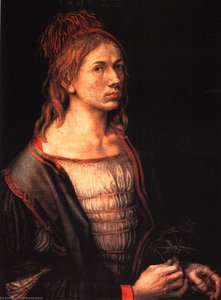
Violets
Wymiary reprodukcji
Albrecht Dürer's “Violets,” a meticulously rendered oil painting, offers more than just a beautiful depiction of flowers; it’s a profound meditation on observation, detail, and the burgeoning spirit of scientific inquiry that characterized the German Renaissance. Executed in the mid-15th century, this work exemplifies Dürer’s evolving artistic style – moving beyond purely decorative themes towards a deeper engagement with the natural world, anticipating the detailed botanical illustrations that would become increasingly popular during his time. The painting's immediate impact lies in its vibrant realism, achieved through a masterful command of color and texture. The artist doesn’t simply paint violets; he captures their delicate vulnerability, the subtle variations in petal form, and the way light plays across their surfaces. This level of detail was revolutionary for its time, reflecting Dürer's own relentless pursuit of accuracy and his desire to represent nature as faithfully as possible.
Dürer’s technique in “Violets” is characterized by loose yet controlled brushwork. He employs a rich palette of earth tones – deep greens, muted browns, and the various shades of purple – to create a sense of depth and realism. The artist's use of light and shadow is particularly noteworthy, subtly modeling the petals and leaves to give them a three-dimensional quality. This approach contrasts with the flatter styles prevalent in earlier works, demonstrating Dürer’s growing mastery of perspective and his ability to capture the nuances of natural forms. It’s evident that he was influenced by the detailed illustrations produced by artists like Theodore de Bry, who specialized in depicting scenes from early America and Renaissance life, showcasing a similar commitment to accurate representation.
Beyond its aesthetic beauty, “Violets” carries symbolic weight. The violet itself was often associated with humility, devotion, and remembrance – qualities highly valued during the Renaissance. The inclusion of insects, common in Dürer’s work, suggests a broader interest in understanding the interconnectedness of all living things. This reflects the growing humanist emphasis on observation and rational inquiry that defined the era. Dürer's meticulous approach to depicting nature aligns with the scientific advancements taking place at the time, foreshadowing the rise of botanical illustration as a serious academic pursuit.
"Violets" evokes a sense of tranquility and wonder, inviting the viewer to contemplate the beauty and complexity of the natural world. A hand-painted reproduction captures this essence perfectly, allowing you to bring this exquisite artwork into your home or office. Most-Famous-Paintings offers meticulously crafted reproductions that faithfully recreate Dürer’s original vision, ensuring that you experience the full impact of this timeless masterpiece.

Dürer’s influence reverberates through centuries of art history. His meticulous realism, his innovative use of printmaking, and his theoretical writings continue to inspire artists and scholars alike. He demonstrated that art could be both technically masterful and intellectually rigorous—a legacy that continues to shape the artistic landscape today. His work stands as a testament to the power of observation, the pursuit of knowledge, and the enduring human desire to create beauty and meaning.

1471 - 1528 , Niemcy

Poznaj fascynujący świat Renesansu Północnego! Odkryj innowacje artystyczne, wybitnych mistrzów i unikalną symbolikę malarstwa niemieckiego. Ekspercka analiza historii sztuki z Most-Famous-Paintings.
Odkryj 10 arcydzieł renesansu wczesnego! Poznaj historie Leonarda da Vinci, Michała Anioła i Botticellego. Reprodukcje obrazów najwyższej jakości – inspiracje dla Twojego wnętrza na Most-Famous-Paintings.com.
Odkryj 25 arcydzieł Raphaela – od Madonn po freski Watykanu. Poznaj historię, technikę i piękno renesansowego malarstwa. Reprodukcje obrazów najwyższej jakości na Most-Famous-Paintings.com. Eksploruj kolekcję online!

Odkryj 25 arcydzieł Galerii Uffizi we Florencji! Poznaj historie Leonarda da Vinci, Botticellego i Rafaela. Reprodukcje obrazów najwyższej jakości dla Twojego wnętrza – inspiracje i dekoracje na Most-Famous-Paintings.com.
Poznaj 10 renesansowych arcydzieł Leonarda da Vinci, Michała Anioła i Rafaela! Odkryj historie, techniki i wpływ malarstwa renesansowego na sztukę. Reprodukcje obrazów najwyższej jakości – Most-Famous-Paintings.com


Bądź na bieżąco z najnowszymi wiadomościami ze świata sztuki, ekskluzywnymi ofertami i inspiracjami dekoratorskimi.
Opowiedz nam o swoim projekcie, a nasi eksperci od sztuki przygotują dla Ciebie 3 spersonalizowane propozycje dzieł sztuki.
Pozwól nam przygotować 3 propozycje specjalnie dla Ciebie – za darmo!


 Udostępnij


 Rozwiń treść







 Opcja szkła jest dostępna wyłącznie w rozmiarach poniżej 110 cm