x

 Oil On CanvasWallArtBaroque
 1643Early Modern
 146.0 x 222.0 cm
 Luwr
LuwrRęcznie malowany obraz olejny na płótnie, wykonany na zamówienie przez naszych artystów w wybranym przez Ciebie wymiarze i oprawie. ( Zamów wydruk Kup obraz wysokiej rozdzielczości)





























Wybierz spośród naszych standardowych rozmiarów, które zachowują oryginalne proporcje dzieła sztuki.

Możesz wprowadzić własne wymiary, aby dopasować obraz do konkretnej ramy lub przestrzeni. Jeśli wybrany rozmiar nie będzie odpowiadał proporcjom oryginału, przytniecie dzieło sztuki lub rozszerzymy je o dodatkowe elementy, ręcznie domalowane przez artystę. Przed rozpoczęciem produkcji wyślemy projekt cyfrowy do Twojej akceptacji.
Należy pamiętać, że podgląd na ekranie nie odzwierciedla rzeczywistego przycinania ani rozszerzania obrazu. Tylko projekt dokładnie pokaże ostateczną kompozycję.
Choć oferujemy możliwość zamówienia niestandardowych rozmiarów, zalecamy wybór wymiaru z gotowej listy, aby zachować oryginalne proporcje dzieła.
Dostawa na całym świecie () w ciągu 3–4 tygodni zamiast standardowych 5 tygodni. (21 Sierpień). Bez kompromisów w kwestii jakości.


Pietà
Wymiary reprodukcji
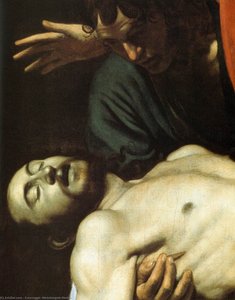
In the hallowed stillness of the Musée du Louvre, there exists a canvas that does more than merely depict a biblical event; it captures the very essence of human grief. Charles Le Brun’s Pietà, painted in 1643, is a monumental achievement of the Baroque era, serving as a profound meditation on sorrow, faith, and the weight of mortality. Originally commissioned for the Sainte-Chapelle in Paris—a sanctuary dedicated to the relics of Christ—this oil on canvas was designed to evoke spiritual contemplation through its sheer emotional gravity. As viewers encounter the work, they are not just observing a scene from the Passion; they are invited into a sacred space where the boundaries between the divine and the human dissolve.
The painting centers on the poignant aftermath of the crucifixion, presenting the Virgin Mary cradling the lifeless form of her son. Le Brun masterfully employs a pyramidal composition, a technique that provides a sense of structural stability to an otherwise turbulent emotional scene. This geometric arrangement directs the eye upward, guiding the observer from the heavy, slumped weight of Christ’s body toward the serene yet heartbroken countenance of Mary. The interplay of light and shadow, known as chiaroscuro, is utilized with breathtaking precision. A singular, dramatic light source illuminates the central figures against a dark, indistinct background, stripping away all worldly distractions to focus the soul entirely on the tragedy unfolding within the frame.
To understand the Pietà is to understand the hand of Charles Le Brun, a titan of French art who shaped the aesthetic standards of the age. His technique reflects the rigorous training he received under masters like Simon Vouet and his transformative years in Rome alongside Nicolas Poussin. In this work, Le Brun achieves a perfect balance between dramatic realism and idealized beauty. The texture of the painting is remarkably rich; one can almost feel the heavy, flowing drapery of Mary’s robes as they cascade around the figures, adding a sense of dynamic movement to the stillness of death. His brushwork captures the subtle nuances of skin, the limpness of muscle, and the intricate folds of fabric, all rendered with an exacting detail that speaks to his mastery of the medium.
Beyond its technical brilliance, the artwork serves as a profound symbolic vessel. The scene is steeped in Christian iconography, representing the ultimate sacrifice and the enduring devotion of the faithful. The presence of figures like Joseph of Arimathea and Mary Magdalene adds layers of communal mourning, yet the focus remains on the intimate bond between mother and son. For the collector or the lover of fine art, this piece offers more than just visual splendor; it provides a window into the 17th-century French soul. It is an ideal centerpiece for those seeking to infuse a space with historical depth, intellectual rigor, and a sense of timeless, quiet majesty.

Charles Le Brun, a name synonymous with the grandeur of Louis XIV’s France, was born in Paris on February 24th, 1619. His artistic talent manifested early; at just eleven years old, he entered the studio of Simon Vouet, a prominent painter and influential figure in the burgeoning world of art. This apprenticeship was further enriched by the patronage of Chancellor Séguier, providing Le Brun with invaluable opportunities for development. He continued his studies under François Perrier, absorbing techniques and styles from another respected master, and quickly gained commissions from Cardinal Richelieu at a remarkably young age – a testament to his burgeoning skill. These early experiences laid the foundation for a career that would ultimately define an era.
A pivotal moment in Le Brun’s artistic journey occurred with his four-year sojourn in Rome between 1642 and 1646. Here, under the guidance of Nicolas Poussin, he immersed himself in the classical ideals of ancient Roman sculpture and meticulously copied works by Raphael. This period profoundly shaped his understanding of art theory and technique, moving him beyond mere imitation towards a deeper appreciation for composition, form, and color. Returning to Paris in 1646, Le Brun swiftly established himself as a leading artist, quickly surpassing the influence of his earlier mentors. His style began to evolve, distancing itself from the strict adherence to classical models favored by Poussin while retaining elements of both. He embraced the dynamism and emotional intensity characteristic of the Baroque period, developing a distinctive approach marked by dramatic compositions, rich palettes, and meticulous detail.
Le Brun’s artistic evolution culminated in his appointment as First Painter to the King in 1664 under Louis XIV. This prestigious position granted him unparalleled influence over French art, allowing him to shape the visual landscape of the court and nation. He became a central figure in the creation of monumental works that embodied the power and magnificence of the monarchy – grand historical paintings, elaborate portraits, and breathtaking decorative schemes.
Le Brun’s career reached its zenith during Louis XIV's reign, a period of unprecedented artistic flourishing. He played an integral role in transforming the Palace of Versailles into a symbol of royal power and splendor. His designs were instrumental in shaping the Ambassadors’ Staircase, the iconic Hall of Mirrors – a dazzling display of light and reflection – and the serene Peace and War Rooms, each reflecting a distinct facet of the king's vision. These projects, alongside countless other commissions throughout the palace complex, cemented Le Brun’s reputation as one of France’s greatest architects and designers. Beyond Versailles, he contributed significantly to the decoration of numerous royal residences, including Sceaux and Marly-le-Roi, showcasing his versatility across various artistic disciplines.
Furthermore, in 1648, Le Brun founded the Académie Royale de Peinture et de Sculpture (Royal Academy of Painting and Sculpture), a pivotal institution that served as both a training ground for aspiring artists and a regulator of artistic standards. As its director for many years, he exerted considerable influence over the development of French art, shaping the education and practice of generations of painters.
Charles Le Brun’s legacy extends far beyond his individual works. He was not merely a painter; he was a theorist, a designer, and a key architect of the Baroque style in France. His emphasis on intellectual engagement alongside visual beauty profoundly influenced artistic education for decades to come. The scale and grandeur of his decorative schemes at Versailles set a new standard for royal palaces across Europe, inspiring countless imitators. Le Brun’s influence is inextricably linked to the rise of Louis XIV's power and the flourishing of French culture during the 17th century. His work remains a testament to the transformative potential of art and its ability to shape not only visual landscapes but also the very fabric of society.

1619 - 1690 , Francja

Explore the profound elegance of Baroque Classicism. Discover how 17th-century masters synthesized dramatic emotion with classical order through the lens of the Counter-Reformation and the works of legends like Carlo Maratta and Andrea Sacchi.

Explore the dramatic power of Baroque art through an expert guide to light, shadow, and emotion. Discover how the Counter-Reformation shaped 17th-century masterpieces and learn about the profound techniques used by the Old Masters to inspire awe.

Explore the dramatic world of Baroque portraiture. Discover how masters used chiaroscuro and light to evoke profound emotion during the Counter-Reformation. A definitive guide for art enthusiasts seeking to understand the power of 17th-century masterpieces.

Explore the dramatic world of Italian Baroque art. Discover how masters like Caravaggio used chiaroscuro and tenebrism to revolutionize painting through light, shadow, and profound realism. A definitive guide for history lovers and art collectors.

Explore the dramatic evolution from Mannerist distortion to Baroque grandeur. Discover how light, shadow, and emotion redefined art history through a masterclass in technical mastery and religious fervor.


Bądź na bieżąco z najnowszymi wiadomościami ze świata sztuki, ekskluzywnymi ofertami i inspiracjami dekoratorskimi.
Opowiedz nam o swoim projekcie, a nasi eksperci przygotują dla Ciebie 3 spersonalizowane propozycje dzieł sztuki.
Przygotujemy dla Ciebie 3 propozycje zupełnie za darmo!


 Podgląd w skali
 Wyślij jako kartkę
 Udostępnij
 Szczegóły dzieła

 Pobierz
 Podobne obiekty
 RTG
RTG Pokaz slajdów
 Rozwiń treść







 Opcja ze szkłem jest dostępna wyłącznie w rozmiarach poniżej 110 cm